

Ever wonder if the label on your food holds a key to a healthier life? EWG Food Scores make grocery shopping easier by combining nutrition facts, ingredient checks, and processing details into one simple number. The system began in 2014 and has rated over 80,000 products. Lower numbers mean cleaner, healthier choices that help both you and the planet. In this post, we explain how these scores work and why they matter if you want to make smart food choices.
Understanding EWG Food Scores
Started in 2014, EWG Food Scores now tracks over 80,000 food products. It gives each food a score from 0 to 100, showing its health benefits and environmental impact at a glance. The score mixes three parts: the nutrition value (how healthy it is), the ingredients (and any issues with them), and the processing (how much it has been changed from its natural state). If one part scores badly, the whole score moves closer to 100, which means a higher score signals a less healthy choice. On the other hand, a lower score shows that the food is healthier with clean ingredients and little processing, making it easier to compare different items on the shelf.
All three parts are given equal weight for easy understanding. The nutrition section checks for vitamins, minerals, and overall health benefits. The ingredient section looks for additives or allergens that could be a concern. The processing part shows how far the product is from its natural form. This setup makes it simple for you to pick food that is both healthier and kinder to the planet. It follows trusted food safety practices, so if you want to know more, check out these food safety guidelines (https://matpple.com?p=611). With clear and honest numbers, EWG Food Scores help you choose foods that match your health needs and respect the environment.
How EWG Food Scores Are Calculated
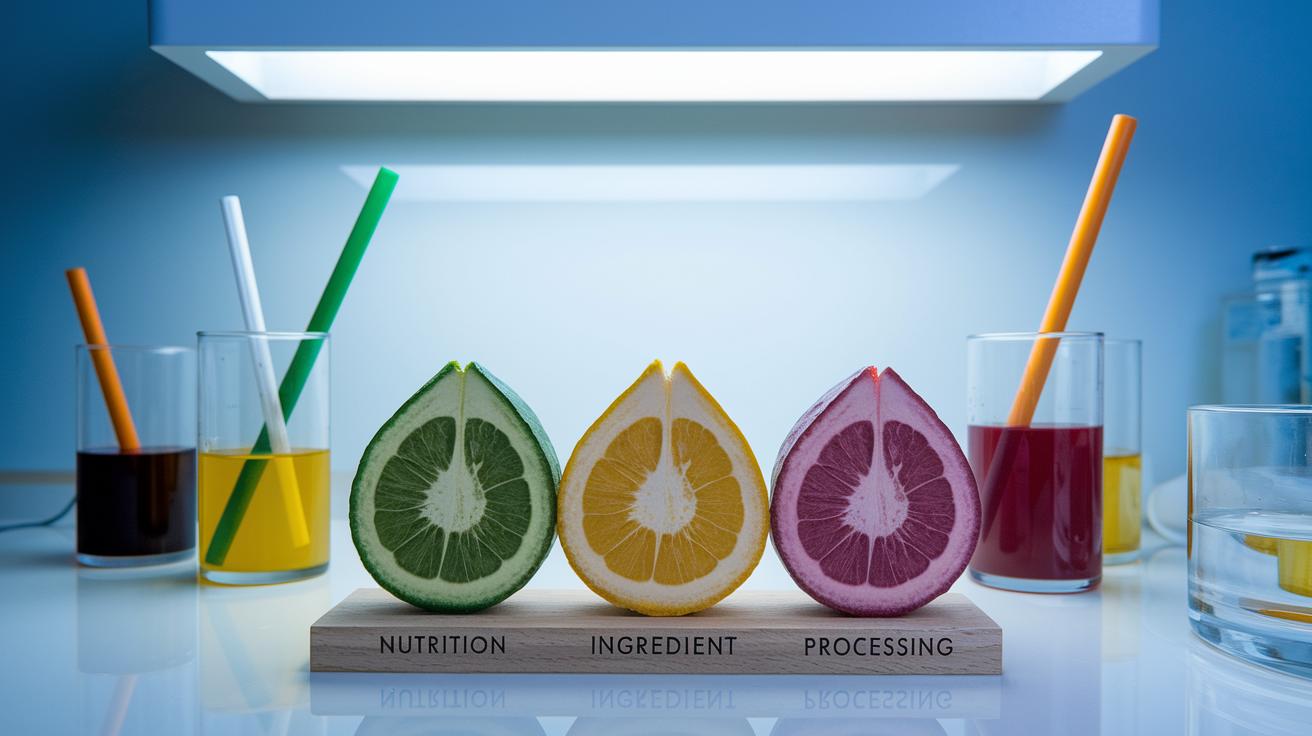
EWG Food Scores split a food's profile into three equal parts. First up is the Nutrition score, which checks for vitamins, minerals, and overall health benefits, giving a rating from 0 to 10. Next, the Ingredient Concerns score looks at additives and other substances that might raise alarms, using the same 0 to 10 scale. Lastly, the Processing score measures how far the food is altered from its natural state. Because each part counts equally, one weak score can push the overall rating higher, suggesting the product might be less favorable.
In a 2024 update, the method was refined with the latest peer-reviewed studies and federal residue limits. Think of it like ticking off items on a quality checklist, each part is verified to build a complete picture before the final score is set.
| Scoring Factor | Range | Weight (%) |
|---|---|---|
| Nutrition | 0–10 | 33 |
| Ingredient Concerns | 0–10 | 33 |
| Processing | 0–10 | 33 |
This clear breakdown makes it easy to see how each food item is assessed.
EWG Food Scores: Dirty Dozen vs Clean Fifteen
Every September, EWG reviews the newest USDA and FDA test data to create two lists. The Dirty Dozen covers fruits and vegetables with the highest pesticide residues. This helps shoppers know which items might need extra washing or are best bought organic. The Clean Fifteen list shows produce with low pesticide levels, making them a safer pick if you're looking to avoid chemicals.
Dirty Dozen (Top 5)
- Strawberries – known for very high pesticide residues.
- Spinach – a leafy green that can hold strong traces.
- Kale, Collards, & Mustard Greens – nutritious but often show pesticide traces.
- Nectarines – usually come with pesticide residue on the skin.
- Apples – need special care and a good wash.
Clean Fifteen (Top 5)
- Avocados – a thick outer skin naturally shields the fruit.
- Sweet Corn – tends to have low pesticide exposure.
- Pineapples – the tough shell helps protect the edible parts.
- Onions – generally have minimal pesticide residue.
- Papayas – one of the safest options in tests.
This simple ranking helps you choose produce that matches your health and safety needs.
EWG Food Scores Mobile App Guide
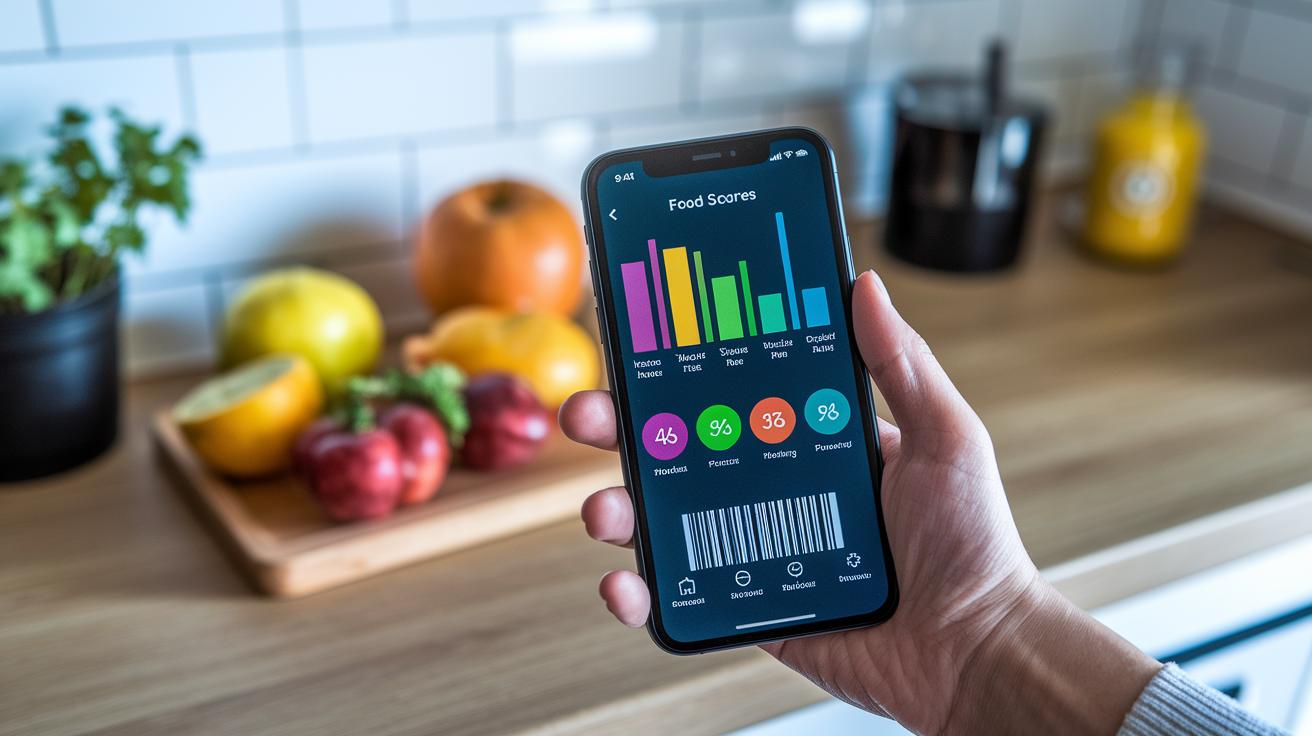
Released on September 10, 2024, the Food Scores app lets you quickly check over 80,000 food items. It shows clear details about your food's nutrition, toxicity, and processing levels. In short, the app turns complex food safety facts into simple numbers that help you eat better.
Using the app is easy. Follow these steps:
-
Download the EWG Food Scores app from the App Store or Google Play. Think of it as tapping your phone’s icon and starting your journey toward healthier eating.
-
Scan product barcodes or search by name. For example, when you scan a cereal box, the app instantly shows you key details, much like reading a grocery receipt with extra notes.
-
Check the nutrition, toxicity, and processing scores. Each food is split into clear parts, so you know whether it is closer to its natural state or if there are potential concerns.
-
Save your favorite items to compare later and create a personal “safe” list. This makes it easy to find healthier choices while shopping.
This app puts transparent food safety information right at your fingertips, making it simple to know what’s really in your food.
ewg food scores shine with clarity
EWG Food Scores give you a quick way to see which foods might carry more risk and which ones are safer choices. These scores help you swap out items known for higher risks with better alternatives that won't break your budget.
Here are some simple shopping tips from EWG:
- Use the scores to decide when it makes sense to choose organic. Sometimes paying a little extra can reduce risk.
- Rinse fruits and vegetables well to lower any residues.
- Pick seasonal items, as they usually have lower residues and offer more nutrients.
Following these tips makes grocery shopping and meal planning a breeze. When you know which items rank better, you can easily create meals that are both healthy and budget-friendly.
Limitations of EWG Food Scores
EWG Food Scores give a quick look at food safety but miss some key details. They do not consider serving sizes. A little bit of a food with a lot of chemicals might be safer than a big helping. They also ignore how cooking changes chemical levels. What happens when food is heated or processed at home is not factored in.
The scores do not measure the environmental cost, either. A food may rate low on chemical risks while its production harms the climate or soil.
Some experts say the safety rules are very strict. Even tiny amounts of a substance can boost a food's score, even if those amounts do not harm you when eaten regularly. Think of it like a strict checklist where even small issues raise red flags.
In short, while the guide is useful, it does not cover every risk. It is best to pair these scores with other information when choosing what to eat.
Final Words
In the action, this article breaks down EWG food scores and how they guide healthier food choices. We covered score components, from nutrition to ingredient concerns, and explained the breakdown of produce lists like the Dirty Dozen and Clean Fifteen. The mobile app guide and shopping tips show readers practical ways to use this tool in everyday decisions. Remember to check detailed food safety guidelines for more tips. The insights here help you make smart decisions for your menu while keeping things positive and practical.
FAQ
Q: What does the EWG food scores calculator and rating scale do?
A: The EWG food scores calculator uses sub-scores from nutrition, ingredient concerns, and processing levels, each rated 0–10, to produce an overall 0–100 rating. This tool helps you quickly compare food safety profiles.
Q: How does the EWG Food Scores website help check food nutrition?
A: The EWG website acts as a food health rating platform by combining nutritional data, ingredient safety, and processing details. It allows you to scan or search for products to review their overall scores and details.
Q: How does the EWG Food Scores app work?
A: The EWG Food Scores app lets you scan barcodes or search product names. It then displays detailed breakdowns, including nutrition, toxicity profiles, and processing levels, so you can make better food choices.
Q: What discussions exist about EWG food scores on Reddit?
A: Online Reddit discussions share real-world experiences with EWG scores and app features, offering user tips and opinions. These conversations can provide extra insights beyond the official data.
Q: Is the EWG rating system accurate?
A: The EWG rating system gives a practical snapshot based on current studies and residue limits, though some experts say it may lean conservative on ingredient concerns. Reviewing food safety guidelines can add additional clarity.
Q: What is a good score on EWG?
A: A lower EWG score indicates fewer pesticide residues and minimal processing, which suggests a safer food choice. Scores toward the lower end of the scale are considered better.
Q: Does EWG identify the single most unhealthy food?
A: The EWG does not label one item as the most unhealthy. Instead, it rates many food products based on nutrition, ingredients, and processing to help guide your overall choices.