

Is your dinner plate truly safe? Halal food carries a trusted seal. Every ingredient and step is carefully checked to meet strict religious rules. This careful process protects your health and ensures the food follows clear guidelines. In this post, we explain how food earns its halal mark and why each bite is a quality choice.
Overview of Halal Food Products: Definition, Standards, and Compliance
Halal food products are those that follow Islamic rules for what is allowed. In Islam, halal isn't limited to food and drink; it covers many parts of daily life. On the flip side, haram refers to items that break these rules, like meat that isn't properly slaughtered or foods with forbidden additives. Halal items stick to strict guidelines for meat preparation and ingredient purity.
Halal certification means a careful check from start to finish. Experts review everything, from where ingredients come from to how food is prepared, and ensure kitchens take steps to avoid any cross-contamination. This process makes sure only approved ingredients are used, giving you clear proof that the food meets Islamic standards.
Shoppers choose halal-certified foods because they offer real trust. The halal seal shows that the product complies with established Islamic dietary laws, so buyers know every item has passed rigorous checks. This gives them peace of mind with each purchase.
Halal Certification Process and Recognized Seals

Halal certification begins with a careful audit. Inspectors visit facilities to check how ingredients are sourced, how animals are slaughtered, and how kitchens maintain hygiene. They follow strict halal rules to ensure every step matches Islamic dietary laws. During this check, inspectors review supply records and make sure products do not touch non-halal items. Often, one inspector watches the production line while another follows the ingredient trail.
Certification bodies then put their seal of approval on products that pass. Well-known organizations require products to clear approved audits and routine on-site reviews. A halal seal tells shoppers that a facility sticks to strict cleaning routines, keeps food at safe temperatures (cold-chain management), and maintains proper records. This seal makes it easy for customers to spot genuine halal products.
Audits happen on a regular schedule, and renewal fees are part of the ongoing certification cost. Many certification agencies set up routine checks to ensure standards stay high. Clear labels and proper documentation give consumers the confidence that every marked product truly meets halal requirements.
halal food products: Quality Choices Await
Halal food products give people a range of choices that follow Islamic dietary rules. Every item is carefully picked and processed to meet strict guidelines. Meat like beef, lamb, and goat comes from animals treated with ritual methods that include complete blood drainage. For poultry, a precise one-stroke knife cut is used while prayers are recited to keep the process true to halal rules. Even processed items such as jerky and ready meals are made following strict ingredient checks that steer clear of alcohol.
| Category | Allowed Items | Key Halal Criteria |
|---|---|---|
| Meat | Beef, Lamb, Goat | Zabiha slaughter, blood drainage |
| Poultry | Chicken, Turkey, Duck | Single-stroke knife cut, prayer recitation |
| Processed Foods | Jerky, Ready Meals | Ingredient audit, no alcohol |
| Non-Food | Vitamins, Household Items | Ingredient traceability, no pork derivatives |
This wide selection shows how halal food products cover everything from fresh cuts ready for the grill to everyday essentials. Consumers choose these items for the reliable, certified sourcing and careful processing that make them a trusted choice every day.
Ingredient Sourcing and Halal Processing Methods

Halal platforms carefully select top-quality meats like Wagyu, grass-fed beef, chicken, lamb, and goat. Suppliers face strict audits that check animal care and verify ethical practices. These routine reviews build trust by ensuring every ingredient meets halal and food safety standards.
Facilities follow clear processing methods to keep halal standards intact. They use separate production lines to avoid any mixing of products and thoroughly clean equipment between batches. Staff are trained to perform humane slaughter, keep accurate records, and follow food safety guidelines (https://matpple.com?p=611). Regular inspections help maintain smooth, transparent operations that support the halal certification process.
Where to Buy Authentic Halal Food Products: Marketplaces and Retailers
Buyers have plenty of options when shopping for halal foods. Online sites make it easy to order custom Qurbani meat with clear shopping carts and handy dashboards to manage your order. You can pick specific cuts and set distribution details. Local stores, like butcher shops, grocery chains, and farmers markets, offer a hands-on experience where you can see the food up close and chat with knowledgeable vendors.
- National online sites that offer custom Qurbani meat orders
- Specialty halal butcher shops with fresh, ready-to-cut options
- Major supermarkets featuring halal sections with certified brands
- Local farmers markets with vendors selling halal poultry
- Subscription services that deliver halal meal kits
When shopping, keep an eye on shipping conditions, cut choices, and order minimums. Online, proper packaging and temperature control help keep your food fresh. At physical stores, friendly service means you can choose exact cuts and get immediate quality checks. These details all work together to make your halal food buying experience reliable and satisfying.
Comparing Halal Food Products: Labels, Brand Reputation, and Buyer Tips
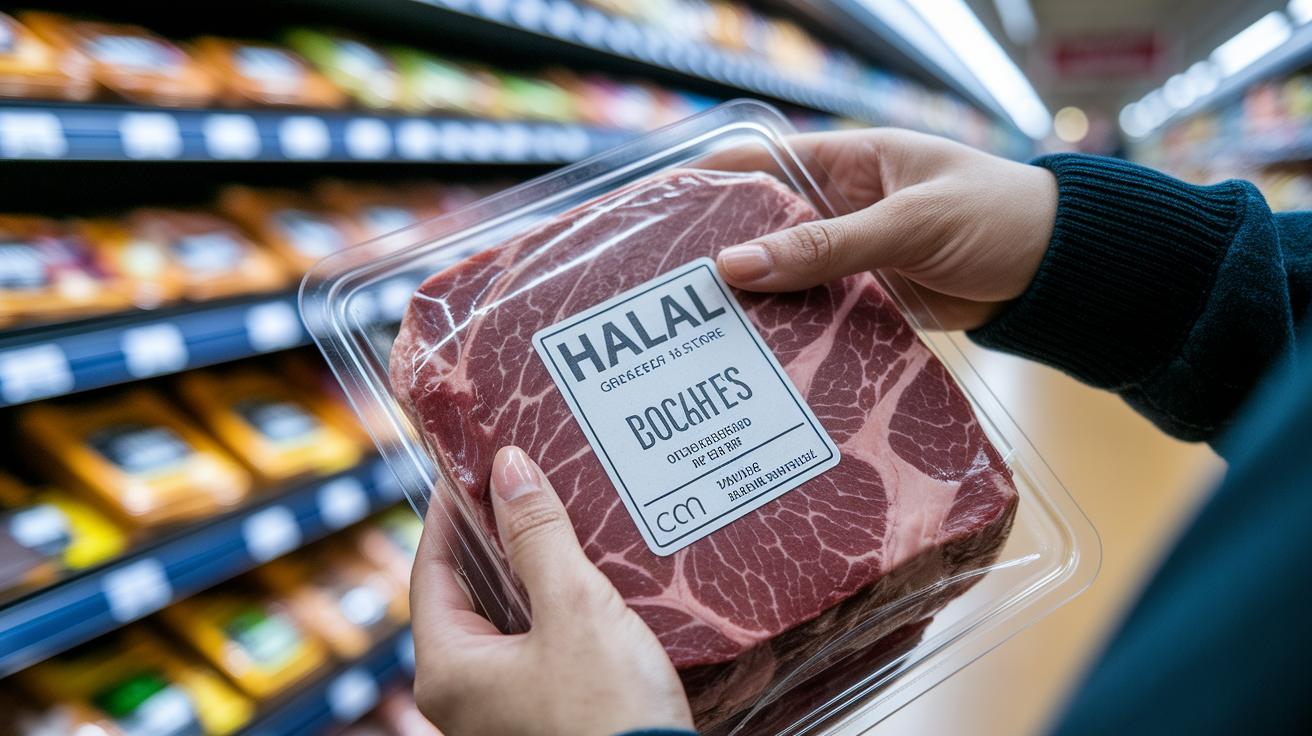
Halal labels tell you who certified the product, when it was approved, and when it expires. When you check a product, look for the seal and any extra notes like grass-fed, organic, or Wagyu. These marks confirm the product meets strict dietary rules and that it is regularly inspected.
Brand reputation matters too. Choose brands that openly share where they get their ingredients and how they process them. Many top brands even invite you to visit their facilities and welcome reviews online. Information on meat grades, such as details on what makes Wagyu special, can help you understand the differences.
Before you buy, use a few practical tips. Look at the thickness of the meat cut, check that the packaging is intact for freshness, and compare the price per pound. These steps will help you decide on quality and value.
Final Words
In the action, the post laid out what halal food products mean, how their standards work, and why certification matters.
It broke down the audit process, ingredient sourcing, and processing practices in clear steps.
It also compared labels, brand reputation, and buyer tips to help pinpoint the best choices.
This guide offers practical insights for quick, informed decisions while staying true to Islamic dietary laws.
Expect more straightforward paths to quality, certified options that deliver both trust and taste.
FAQ
What is halal food in Islam and what does a halal/haram food list include?
The term halal food in Islam means food that is allowed according to Islamic dietary laws. A halal/haram food list outlines permissible and prohibited items, helping consumers make informed choices.
What is included on a halal products list in the USA?
A halal products list in the USA catalogs items that meet Islamic dietary guidelines. It includes certified meats, processed foods, and even non-food products verified by recognized halal authorities.
How can you order halal meat online in the USA?
Halal meat online delivery in the USA offers certified meat options through national e-commerce platforms and local butcher websites. These providers ensure proper slaughter methods and ingredient checks for fresh, trusted cuts.
How is halal food prepared?
Halal food preparation follows Islamic rules that require humane slaughter, proper blood drainage, and strict separation of halal and non-halal items. Certified audits and quality checks support these practices.
Is halal food Mediterranean?
Halal food is defined by dietary laws rather than geography. Mediterranean dishes can be halal if they follow Islamic guidelines, but the cuisine itself is not automatically halal without proper certification.
What makes a food halal?
A food is deemed halal when its ingredients, processing methods, and handling follow Islamic law. This means sourcing approved ingredients, using proper slaughter techniques, and avoiding cross-contact with non-halal items.
Does Chick-fil-A use halal?
Chick-fil-A does not typically serve halal-certified food at its locations. Shoppers seeking halal options should confirm with local outlets or choose vendors that specialize in certified halal products.
Are eggs halal?
Eggs are generally considered halal provided they are free from contaminants and sourced using practices consistent with Islamic dietary laws. This makes them acceptable for most halal diets.