

Can food policies change our meals? Many people believe new reforms will not only alter what we eat but also help fight malnutrition worldwide. Since 2002, groups like GAIN have taken clear, practical steps to boost nutrition. They join forces with governments, local groups, and private partners to build fair and lasting food systems. This article shows how proven methods and smart ideas are helping shape a future where every policy decision brings us one step closer to healthier meals for everyone.
Mapping Food Policy Pathways: Strategies and Frameworks
Since 2002, GAIN has played a key role in reshaping global food systems using a strong base built at the United Nations. Based in Geneva with offices in the Netherlands, United Kingdom, and United States, the organization has helped improve nutrition and drive policy changes for over one billion people worldwide. They use facts and proven methods combined with smart food-economy strategies to push for fair and sustainable food practices everywhere.
GAIN’s plan is built on several work areas that work to bring government policies in line, give a louder voice to those often ignored, and boost both consumers and private partners. By teaming up public agencies, local communities, and private investors, GAIN takes on a wide range of food policy challenges. This balanced mix of activities makes sure that every move toward reform is based on clear results and practical steps.
- Policy Coherence
- Inclusion of Marginalized Voices
- Consumer Empowerment
- Private Sector Finance
- Nutrition–Environment Integration
- Evidence Generation
Each of these work areas bridges gaps in food policies and sets clear guidelines for change. By joining different sectors and supporting efforts from the grassroots to the global stage, GAIN is carving a direct path to more resilient and healthier food systems.
Government Nutrient Strategy in Food Policy Pathways

GAIN’s Workstream 1 focuses on matching up national policies in agriculture, health, trade, and the environment. This effort builds a clear set of rules for diets and public health that guide government actions. By joining forces across these key areas, countries like Bangladesh, Ethiopia, Kenya, Nigeria, Pakistan, Rwanda, Tanzania, and Uganda can better fight malnutrition.
Seven top development agencies work directly with government bodies to design policies that boost nutrition. Their teamwork makes sure that every decision is based on real-world insights and solid evidence. With many experts sharing the load, the plan grows stronger and improves food access and overall health.
Coordinating across government departments is another important part of this strategy. By working together, different sectors avoid conflicting rules and use resources wisely. This smooth approach makes it easier to change and update policies, creating a trusted plan to improve nutrition and public health throughout the nation.
Sustainable Agriculture Initiatives and Farming Regulation Reform in Food Policy Pathways
GAIN’s Workstream 5 connects nutrition and environmental actions by backing sustainable business models that help farmers and boost public health. One clear example is Rwanda’s fruit tree production program. It helps small-scale farmers earn extra money while giving local communities better access to essential nutrients and a more varied diet. Studies of wet markets have also shaped regional reforms, leading to new rules that raise hygiene standards and cut contamination risks so that environmental efforts benefit everyone.
New regulatory changes are paving the way for sustainable agriculture. Farmers and policy makers are teaming up, using real field data and hands-on experience to modernize rules and set organic standards that address everyday challenges. They review market practices and learn from case studies to fine-tune processes, making approvals faster without sacrificing safety. All these steps create a straightforward path to stronger food systems around the world.
| Case Study | Region | Policy Focus |
|---|---|---|
| Wet Markets Analysis | Global | Hygiene Regulation |
| Fruit Tree Production | Rwanda | Smallholder Support |
| Policy Bottlenecks Guidelines | Global | Streamlined Reforms |
This combined approach shows how smart farming practices and clear rules can build strong food policies that lead to real, broad improvements.
Community Nutrition Programs and School Meal Pathways in Food Policy

Since 2009, the Chef Ann Foundation has been shaking up school meals with scratch-cooked dishes made from whole ingredients. They serve over 75 school districts in California, Colorado, and Virginia. This fresh approach helps kids concentrate better in class and shows them how tasty healthy eating can be. In doing so, it boosts student well-being and strengthens local community ties.
The program uses clear career steps like Pre-Apprenticeship, Apprenticeship, and Fellowship. Each level is registered with the U.S. Department of Labor and state workforce agencies, which means participants gain real-world skills through hands-on training and program evaluations. These programs follow Title 29 CFR Part 30 guidelines, making sure every student has fair access to nutritious meal education.
Schools also get strong support from various tools designed to make the switch to scratch-cooked meals easier. Programs like Salad Bars to Schools, the School Food Institute, and The Lunch Box online resource offer step-by-step guidance and practical strategies. These resources help schools adopt proven methods that make healthy eating both practical and scalable.
Private Sector Finance and Subsidy Impact on Edible Goods in Food Policy Pathways
GAIN’s Workstream 4 uses four clear paths to attract private investment for healthy diets. The goal is to lower the cost of nutrient-rich foods. Early results show more funds in supply chains for fruits, vegetables, and fortified grains, making healthy eating more accessible.
Public and private groups team up closely in this strategy. GAIN works with seven development agencies to create blended finance models. These models share risks and rewards, mixing industry know-how with public oversight. This way, subsidy models can cut costs while keeping food quality and safety in check.
Early studies confirm the approach is making a difference. More capital now flows into essential supply chains for nutrient-dense foods. This model not only makes healthy foods easier to get, but it also builds a stronger, sustainable framework for food policies that help both consumers and investors.
Urban Farming Innovation and Supply Chain Resilience in Food Policy Pathways
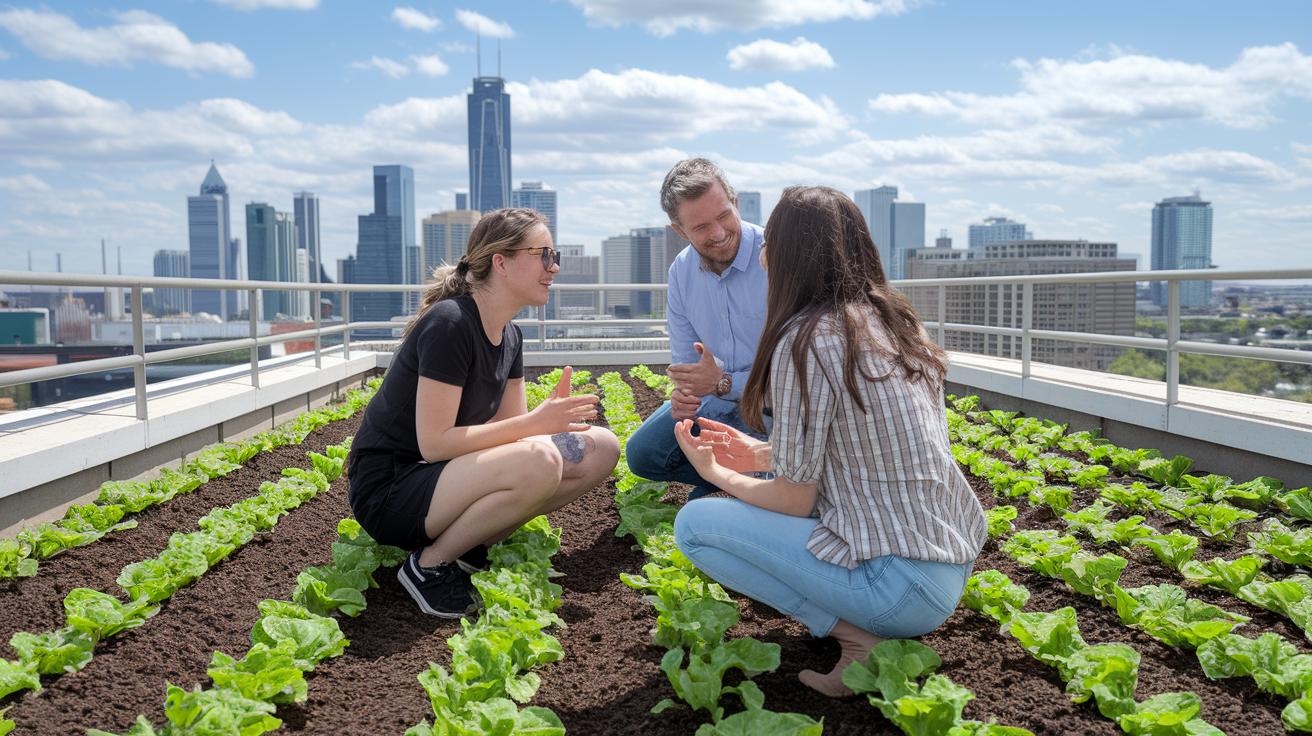
GAIN’s Workstream 2 teams up with local governments, informal food workers, and women to design urban farming policies that suit city challenges. This effort listens to community ideas and builds local farming alliances that bring real, practical food solutions. By involving people who know the issues firsthand, the program makes sure policies meet everyday needs and spark local innovation.
Creative projects like rooftop gardens in Kenya and community greenhouses in Nigeria show how urban farming can work. These projects turn unused spaces into places where fresh produce can grow all year. By reusing city structures and using sustainable methods, communities get better access to food while cutting down on long supply chains.
Pilot projects have shown that local farming builds quick defenses against transport delays and price hikes. Data reveals that shorter supply chains mean faster response during emergencies. Urban farming not only guarantees a steady flow of produce but also strengthens market infrastructure and food security. This added capacity helps protect local economies from sudden shocks and boosts community self-reliance in tough times.
Regulatory Frameworks and Compliance Monitoring in Food Policy Pathways
GAIN’s Workstream 6 works to build strong food rules by collecting data that checks if policies are met. They use reports, working papers, and briefing documents to cover food safety, fortification standards (adding nutrients to food), and labeling rules. This careful work helps spot gaps and update rules to keep oversight clear.
They use many systems to monitor if the rules are followed. Detailed checks and regular updates point out where labeling standards and other guidelines can improve. The latest data shows where changes are needed so that everyone follows the same practices.
Podcasts, videos, and newsroom updates also share these changes. These channels give real-time information so both policymakers and food industry workers know what is changing. This makes food safety and quality standards clear and fair for all.
Future Directions and Evidence-Based Reform Strategies for Food Policy Pathways

GAIN is teaming up with seven development agencies to boost Nourishing Food Pathways. This partnership brings together policymakers, researchers, and industry experts to clear policy hurdles and spark change. For example, by mixing local insight with global expertise, the team is building clear plans to help programs like Rwanda's fruit tree initiatives overcome common challenges.
Researchers are uncovering gaps that slow food policy progress. Recent studies have looked at issues such as the role of wet markets in food security and other hurdles that delay reform. This work shows where fresh, mixed-method ideas can make policies sharper and more effective.
Decision-makers now rely on strategic roadmaps to plan the next wave of food policies. These plans gather info from different fields to point the way forward. By using an interdisciplinary approach, future policies can be both creative and flexible, meeting community needs while setting a strong course for lasting change.
Final Words
In the action, the article mapped key strategies shaping food policy pathways. It reviewed integrated frameworks that span government nutrient strategy, sustainable agriculture initiatives, community nutrition programs, private sector finance, urban farming innovation, and regulatory compliance.
The post underlined how each workstream contributes to practical improvements in local operations. Real-world examples underscore the importance of cross-sector projects for immediate and measurable progress in our industry. The insights on food policy pathways offer clear direction for today’s restaurant owners.
FAQ
Food policy pathways pdf
The food policy pathways PDF provides a detailed report on frameworks and reform strategies in food regulation. It is available on official websites and academic platforms that host credible food policy research documents.
Food policy pathways 2022 and food policy pathways 2021
The food policy pathways editions for 2021 and 2022 offer yearly updates on trends, frameworks, and strategies in food regulation. They serve as essential tools for policymakers, researchers, and industry experts.
Food policy journal
The food policy journal publishes research and practical analyses on food regulation and policy reform. It shares case studies and evidence-based insights to help guide decision-making among stakeholders.
Food Impact Careers
Food Impact Careers highlights job opportunities in government, research, nonprofit, and private sectors. These roles focus on developing and implementing strategies to improve nutrition, public health, and sustainable food systems.
Is food policy pathways legit?
Food policy pathways are recognized frameworks developed through extensive research and collaboration with reputable institutions. They are widely used to guide policy reforms and support evidence-based decision-making in the food sector.
Who is Hayley Davis food policy pathways?
Hayley Davis is noted as a key contributor associated with food policy pathways, playing a role in advancing discussions and initiatives that promote research-based reform strategies in the food policy arena.
What are food policy jobs?
Food policy jobs encompass roles in government, academic, nonprofit, and private sectors. These positions involve creating, implementing, and monitoring regulations that aim to improve food safety, nutrition quality, and sustainable practices.
What are food policies?
Food policies are sets of regulations and guidelines aimed at ensuring safe, nutritious, and sustainable food systems. They shape production, distribution, and consumption practices to improve public health and benefit communities.