

Restaurant labor rules are getting a major update to match a fast-changing industry. New changes planned for 2026 will raise wages, increase fines, and even include gig and contract workers. This means restaurant owners will need to update their scheduling and pay practices to meet tougher standards. Stricter penalties and clearer worker protections could change everything from tip credits to fair scheduling, signaling a fresh look at how we treat food workers.
Key Areas in the Restaurant Labor Regulation Update
New minimum wage and tipped wage rules kick in on January 1, 2026. Restaurants that break these rules now face fines of $1,000 per violation instead of $500. The definition of "employer" now covers gig workers and third-party contractors. These changes update labor rules for the dining industry.
Fair workweek rules now require schedules to be posted 7 to 14 days ahead of time. Last-minute schedule changes will earn extra pay for workers. Also, restaurants must follow different state standards for paid and unpaid breaks to protect their staff and keep the rules clear.
This 2026 update brings together several regulatory changes that affect federal employment standards and state laws. It raises wages and increases penalties, while also covering gig and contracted workers. State and local agencies now have more power to investigate wage complaints and address worker misclassification. Updates to ADA accommodations, liquor licensing, and retail food rules further raise industry standards.
Restaurant Labor Regulation Update: Minimum Wage & Tipped Wage Changes

Starting January 1, 2026, new wage rules will change pay for many food workers. In some states, the base minimum wage will go from $12.50 to higher levels, while in certain cities it will reach $16.00. Tipped workers will now make either half the base wage or a flat rate between about $5.12 and $7.25. If a restaurant makes mistakes with payments, it will face a $1,000 fine for each error.
These changes come from local economic needs and modern industry standards. The rules cover not just traditional restaurant staff but also delivery drivers and workers on third-party platforms. Restaurant owners must update their payroll systems and tip credit policies to meet the new standards, ensuring clear and fair pay for all.
| State/Locality | Base Wage (2026) | Tipped Wage (2026) | Noncompliance Penalty |
|---|---|---|---|
| State A | $12.50 | $6.25 | $1,000 |
| City B | $16.00 | $8.00 | $1,000 |
| State C | $13.00 | $6.50 | $1,000 |
| City D | $14.00 | $7.00 | $1,000 |
| State E | $12.75 | $6.38 | $1,000 |
| City F | $15.00 | $7.50 | $1,000 |
| State G | $13.50 | $6.75 | $1,000 |
| City H | $15.25 | $7.63 | $1,000 |
Restaurants now need to invest in updated scheduling and wage systems to reduce mistakes and avoid fines. With clear new rules, business owners have the chance to improve pay transparency and support an engaged workforce. This update matters for workers and restaurants alike, as fair pay and streamlined operations make a big difference in daily work life.
Restaurant Labor Regulation Update: Scheduling & Overtime Provisions
New rules are changing how restaurants set up shifts and handle overtime. Under Fair Workweek guidelines, schedules must be posted 7 to 14 days ahead. This gives employees a clear heads-up about when they’re expected to work. Meanwhile, premium pay kicks in for last-minute changes, on-call duties, and short breaks between shifts.
Advance Notice & Predictive Scheduling
Restaurants can use automated tools to predict staffing needs and remind managers to post schedules early. These systems help adjust shifts based on demand and ensure staff know their hours in advance. This clear notice cuts down on mix-ups during busy times.
Overtime & Shift Gap Premiums
Restaurants need to calculate overtime carefully. Federal law requires overtime pay for hours worked over 40 in a week, and some states also call for overtime after 8 hours in a day. For on-call shifts or last-minute changes (less than 8 hours before a shift), employees earn 1.5 times their usual rate. Accurate recordkeeping is key to track these premium triggers. Operators with several locations should check state rules, which may add extra premiums and costs.
Following these practices helps restaurants stay compliant, manage labor expenses, and keep workers happy. Smart automation and careful tracking are essential for reducing errors and avoiding fines while keeping scheduling fair.
Restaurant Labor Regulation Update: Meal & Rest Break Compliance

New rules for meal and rest breaks are changing how restaurants handle employee downtime. Under federal law (FLSA), workers on shifts over 5 hours must get a 30-minute unpaid meal break. In California, staff need a paid 10-minute rest break for every 4 hours worked, and missing a break now fines employers $50. This means restaurant owners must quickly update their policies to keep workers safe and happy.
Many restaurants are now turning to automated punch-in and punch-out systems. These tools keep precise break records, cut down on disputes, and help meet state rules. They let managers see break times in real time, adjust schedules when needed, and avoid fines. With such systems, owners can focus more on running the restaurant efficiently while following both federal and state labor rules.
Best Practices for Implementing the Restaurant Labor Regulation Update
Restaurant owners need to update their systems to meet new labor rules quickly and accurately. A well-planned approach that reviews policies, incorporates updated technology, and trains managers makes a big difference in staying compliant and running smooth daily operations.
- Review current policies thoroughly and update the employee handbook to cover new rules.
- Use workforce management software that handles predictive scheduling, tracks overtime and break times, and calculates wages accurately.
- Train managers on important labor rules, including FLSA, Fair Workweek guidelines, and any state-specific needs to boost on-site compliance.
- Run quarterly mock audits to catch any gaps before they turn into costly problems.
- Offer self-service portals so employees can easily check their schedules and pay information.
- Create backup staffing plans for premium-pay events to ensure shifts are covered, even with last-minute changes.
These practices help restaurant owners enforce policies more effectively and lower legal risks. Managers benefit from better training and digital tools that make daily tasks easier. With updated handbooks and clear self-service options, staff gain trust through consistent communication and clear rules. This hands-on method not only minimizes penalties but also improves overall team morale.
Assessing the Operational & Financial Impact of the Restaurant Labor Regulation Update
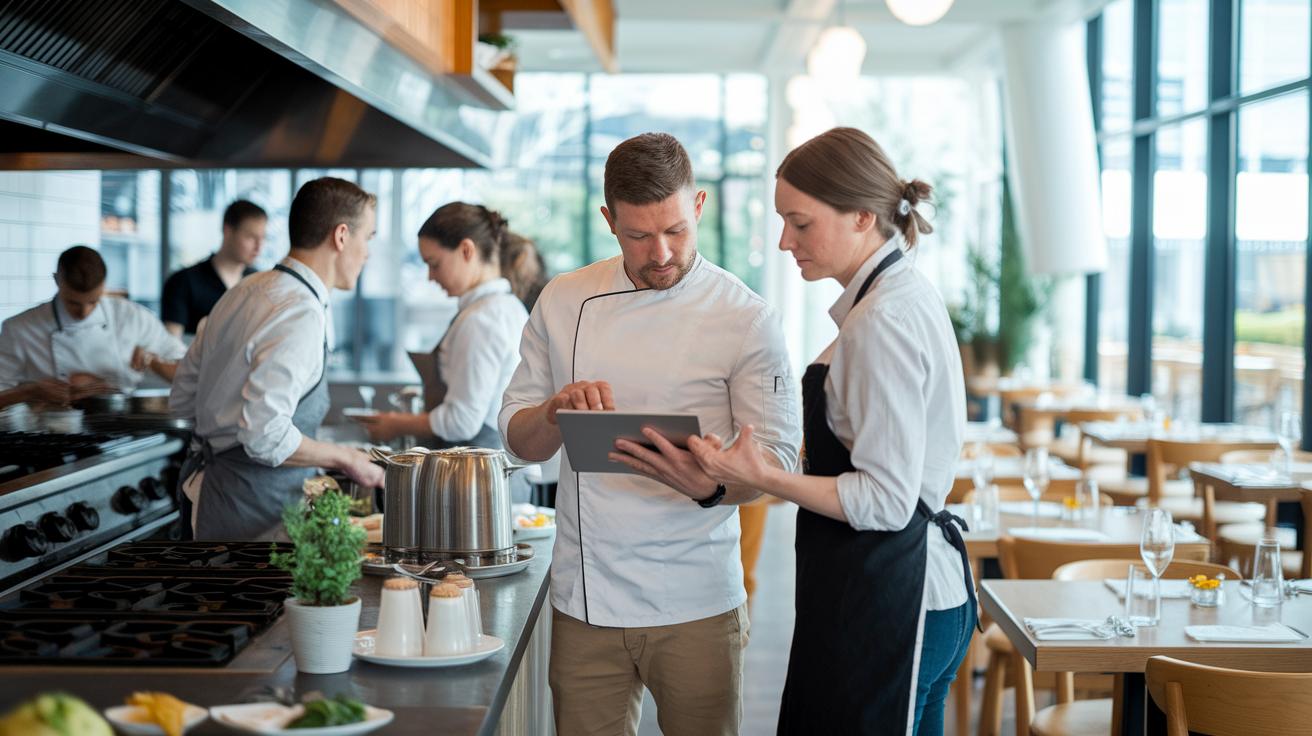
Restaurants face a 3% to 5% rise in labor costs as wages go up and scheduling premiums add extra expenses. Every full-time worker sees an additional cost of about $150 to $250 per year from overtime and last-minute shift changes.
Better schedule stability and strict compliance practices may cut staff turnover by around 10%, easing hiring challenges and boosting service quality. Owners should plan for these added costs in their budgets and strategies.
Modern workforce management tools can help balance some of these higher expenses. Many systems save between 2% and 4% in labor costs by reducing premium pay, and some restaurants report savings as high as 15%. These savings can protect profit margins by about 0.5% to 1%, helping operators stay on track even as labor rules tighten.
Final Words
In the action, the post broke down key updates like wage changes, schedule rules, break tracking and operational best practices. Small and midsize restaurant operators gained insights into the new minimum and tipped wage laws, fair workweek standards, and necessary compliance measures.
The article maps out a clear path for adapting to the restaurant labor regulation update. These changes aim to boost workforce stability and operational efficiency, leaving room for growth and smoother day-to-day operations.
FAQ
What illegal practices do restaurants sometimes carry out with employees?
The illegal practices include forcing employees to pay for walkouts, unauthorized wage deductions, and other fee impositions that violate federal and state labor standards.
What restaurant laws for employees exist generally?
Restaurant laws typically cover minimum pay, overtime, breaks, and safe working conditions, ensuring that employees receive legally mandated wages and benefits under state and federal regulations.
What fast food labor laws apply to workers?
Fast food labor laws ensure fair wages, proper meal and rest breaks, and accurate scheduling practices while enforcing overtime rules to protect workers in the fast food industry.
What do North Carolina restaurant labor laws include?
North Carolina labor laws for restaurants provide guidelines on minimum wage, overtime, and break requirements that protect workers and ensure fair treatment within the dining industry.
Is it illegal to make servers pay for walkouts in Florida and Texas?
The practice of making servers pay for walkouts is generally not allowed. Both Florida and Texas have labor regulations that protect employees from bearing costs associated with work stoppages.
What do Pennsylvania restaurant labor laws cover?
Pennsylvania restaurant labor laws cover wage standards, overtime requirements, meal and rest break rules, and scheduling practices to create a safe and fair work environment for employees.
What overall restaurant laws and regulations govern employee treatment?
Restaurant laws and regulations set rules for wages, work hours, breaks, and workplace safety, ensuring uniform protections for employees across various types of dining establishments.