

Ever wonder if opening a restaurant is just a dream? Starting one comes with high costs, permit delays, and extra fees. Many people see these challenges as reasons to quit. Yet a clear plan and smart budgeting can turn problems into progress. This article shares easy tips on managing extra expenses and meeting regulations while keeping your dream alive. With practical strategies, today’s challenges can lead to a bright, fulfilling future.
Financial Foundation: Addressing Food Service Financial Hurdles in New Restaurant Challenges
Starting a new restaurant can quickly become expensive. Costs like staff salaries, training, and rent may push your expenses beyond early estimates. Unexpected fees or permit delays can throw off your schedule. That is why setting up a detailed budget right from the start is crucial. It helps you spot potential cost overruns before they become a major problem. Tracking expenses and reviewing profit margins can show you where you might need to improve cash flow. For example, using a financial calculator when planning training costs and early salaries gives you a clearer picture of monthly expenses.
It is also key to compare your actual revenue with your projected income. Many owners find that surprise fees and permit delays eat into their startup funds. A detailed operating budget and regular expense checks keep your business on track. This approach not only protects your profit margins but also provides clear data to adjust strategies when reality differs from your forecasts.
- Identify all early costs such as rent, equipment leases, utilities, and licenses
- Create an operating budget that matches your estimated sales
- Review real expenses versus projected costs on a weekly basis
- Set aside extra cash to cover unexpected overruns
- Adjust menu prices to maintain your target profit margins
By using these steps, restaurant owners can tackle financial hurdles directly, keep cash flowing, and protect profit margins while navigating the challenges of opening a new restaurant.
Regulatory and Compliance Confidence: Overcoming Permit Hurdles and Health Inspection Requirements in New Restaurant Challenges

Restaurant owners face a maze of licenses and permits when starting a new venue. Getting your foodservice, liquor, music, and occupancy licenses means dealing with many forms, fees, and review steps that can take weeks or even months. Each step requires careful paperwork and timely submissions to meet local laws and overcome common new restaurant challenges.
Plan your timeline wisely. Approval processes often run longer than expected, so build in extra time and budget for both routine fees and surprise costs. Keeping a clear record of your progress and reaching out to licensing officials early can help smooth out these permit hurdles before you make big investments.
Don’t overlook health inspections either. Stick to trusted food safety guidelines and set up strict in-house protocols to lower the risk of a last-minute shutdown. Preparing well for inspections not only eases regulator concerns but also lays the foundation for safe and smooth operations once you open your doors.
Staffing Success: Managing Staff Hiring Challenges and Crew Training Obstacles in New Restaurant Challenges
Hiring the right team is the key to a smooth-running restaurant. Waiters, cooks, and dishwashers each have a role in keeping guests happy and operations steady. When owners tackle hiring challenges early, they build a flexible team ready for both rush periods and quieter days. Many owners find that carefully picking team members and creating clear training sessions not only boosts service quality but also strengthens the entire crew.
Preopening training kick-starts team development, but it is just the beginning. Restaurant owners need to continually update their hiring and scheduling practices to deal with frequent staff turnovers. Regular feedback from employees can quickly highlight training issues, so managers can adjust plans as needed. A steady communication loop between management and staff ensures that daily operations run even smoother.
Here are some key steps to create a strong team:
- Define clear job roles and required skills.
- Build a structured onboarding and training program.
- Hold regular performance reviews and offer coaching sessions.
- Provide competitive benefits and incentives to lower turnover.
Keeping detailed records of employee performance and adapting benefits over time can make a big difference. By following a clear, structured approach to recruitment and training, restaurant owners can build a motivated and effective team that meets the challenges of a competitive foodservice industry.
Operational Optimization: Mitigating Operational Risk and Enhancing Kitchen Workflow in New Restaurant Challenges
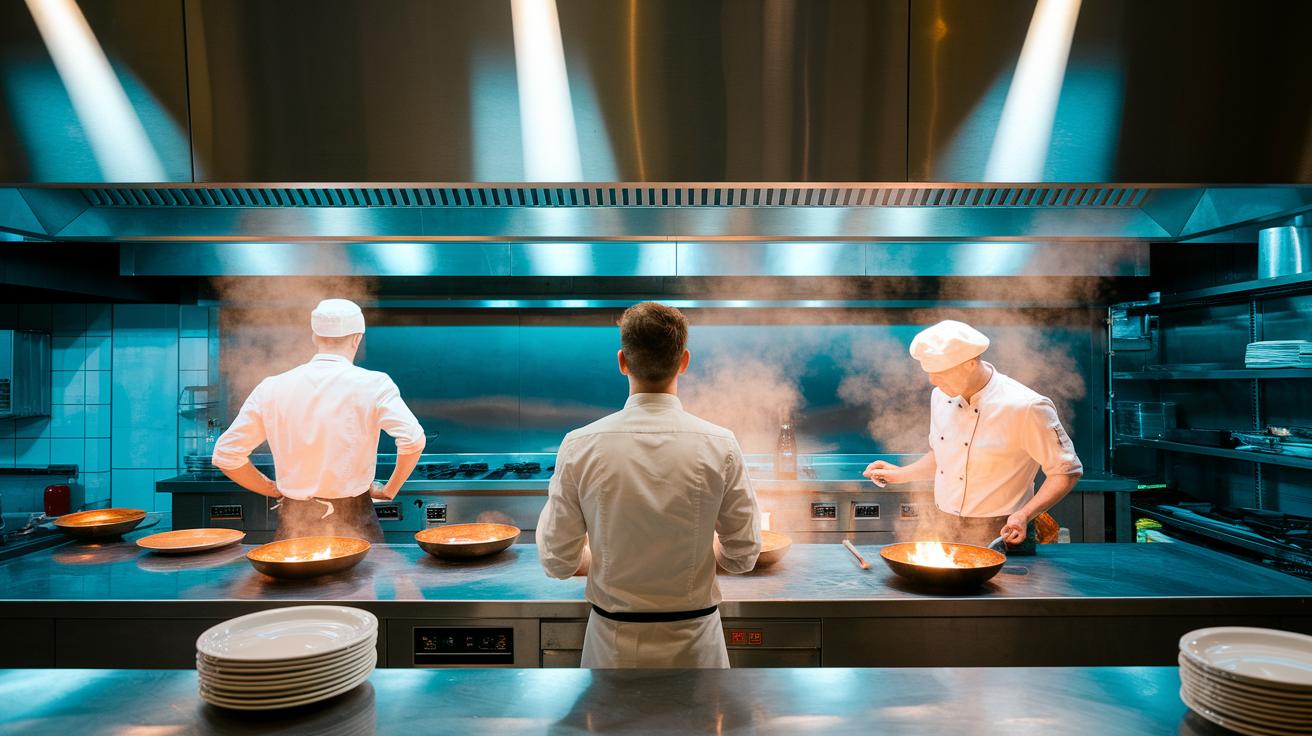
Even the best laid plans can face real-life challenges once service starts. Practice runs may miss small issues in the kitchen layout or order flow. When the rush hits, delays, mix-ups, and uneven task assignments can build up fast. These problems might seem minor during planning but can become big issues in the heat of dinner service. Managers need to keep a sharp eye on operations and be ready to act before these glitches turn into major disruptions.
Keeping an eye on real-time performance and making quick adjustments helps the team stay on track. Monitoring key numbers lets you know when orders are clogging up or when the kitchen is stretched too thin. Input from both the front-of-house and the kitchen offers a clear picture of what’s working and what isn’t. Quick fixes, like shifting staff during a game’s halftime, can redirect help to busy spots or unblock slow workflows. For example, if pre-prepped ingredients run short during a rush, a manager can quickly assign extra hands to manage the shortfall.
Halftime Adjustment Strategy
Managers can use real-time performance data to make rapid mid-service changes. If order wait times start to spike, a manager might pull a chef from less urgent tasks to speed up the main course prep. Digital dashboards along with on-the-ground observations give a clear snapshot of the situation as it unfolds. This method minimizes delays and stops small setbacks from growing into full-blown disruptions. Swift adjustments not only streamline operations but also help maintain customer satisfaction during peak times.
Marketing Momentum: Crafting Effective Marketing Strategies and Managing Customer Experience Challenges in New Restaurant Challenges
Restaurant owners need a strong marketing plan that goes past the opening buzz. Good strategies grab local attention and keep people coming back. Focus on quality food and friendly service to rebuild trust when the early excitement fades. Start by showing off your top dishes and the unique vibe of your restaurant. This builds a brand guests will remember.
Social media is a powerful tool. Share behind-the-scenes moments, daily specials, and quick team updates. Let your posts capture real-time events that invite people to join your restaurant experience. A smart social media plan can bring more customers during slow periods and help steady your income.
Listening to guests is key. Ask diners for feedback and suggestions, then tweak your plan to show improvements. Using feedback builds loyalty and shows you care about getting better. With an open and responsive marketing plan, you can make a lasting impression and grow a loyal customer base.
Adaptability Advantage: Preparing for Soft Opening Event Ideas and Building Operational Flexibility in New Restaurant Challenges
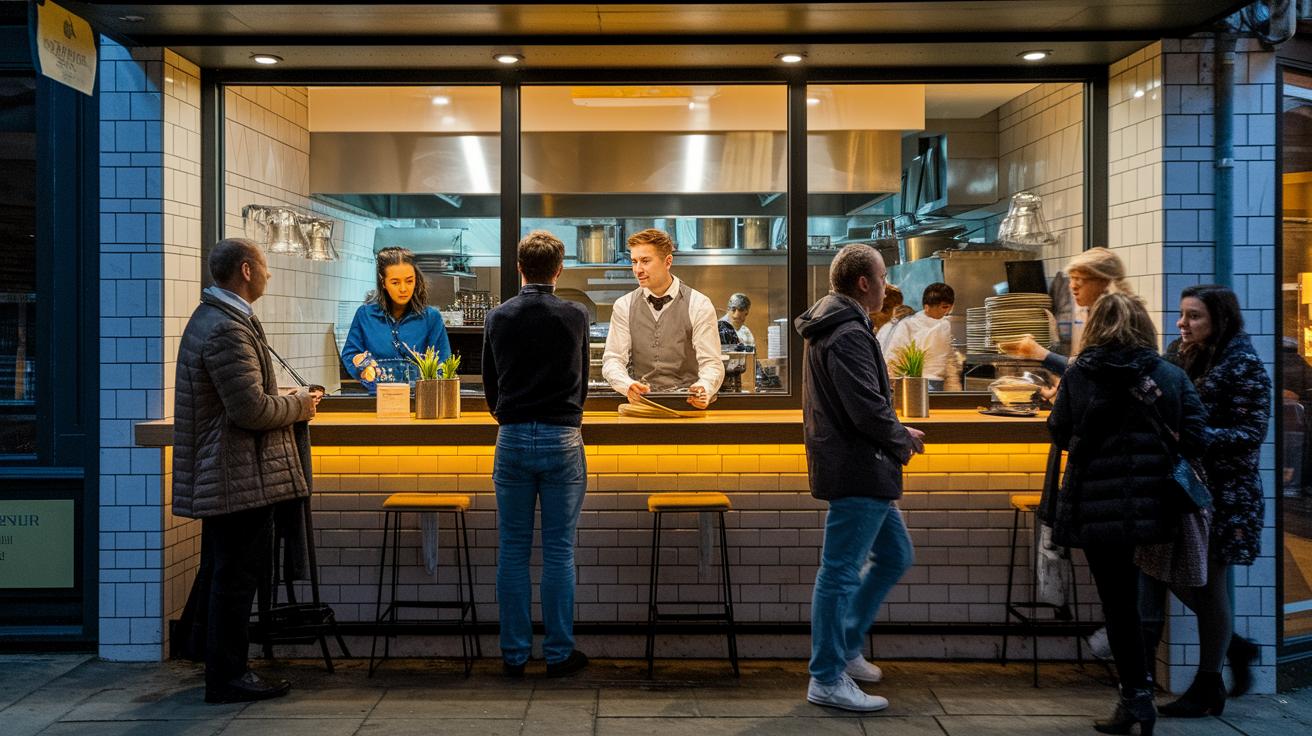
Smart new restaurants run soft openings as real-life practice sessions. They use these events to check guest flow, test staffing needs, and see how menu items perform. In the first six months, staying flexible means quickly fixing issues when plans don’t match reality. Listening to both staff and customer feedback lets managers tweak service right away and get the restaurant ready for a full launch.
Try these ideas to boost flexibility and build team readiness: host an invite-only preview night to test service flow and gather honest feedback; run a tasting event with a small menu to highlight key dishes and gauge reactions; or plan a neighborhood block event that mimics a busy period with different types of guests. These events give clear insights and set the stage for a smooth official opening.
Final Words
In the action, this article broke down key steps to tackle food service financial hurdles, secure the right licenses, build a reliable team, streamline kitchen workflow, and craft a buzz-worthy marketing plan. Each section served up actionable tips designed to boost efficiency and keep your operation running smoothly from soft openings to full service.
By addressing the challenges of opening a new restaurant head-on, you can not only survive but thrive while turning every setback into a new growth opportunity. Enjoy the process and keep improving!
FAQ
Frequently Asked Questions
Q: What are the challenges of opening a new restaurant according to Reddit discussions?
A: Reddit conversations show that opening a new restaurant faces hurdles with budget management, permit delays, staffing shortages, and saving cash flow while meeting market expectations.
Q: What were the challenges of opening a new restaurant in 2022?
A: In 2022, restaurant startups struggled with cost overruns, supply chain delays, staffing issues, and swiftly adapting to changing customer and regulatory demands.
Q: How do you address challenges in getting clients to dine at your dream establishment?
A: Attracting diners often requires building a strong local reputation through quality food and service while effectively marketing unique dining experiences to overcome skepticism.
Q: What common restaurant challenges should new owners expect?
A: New owners face issues like managing startup costs, meeting health inspections, hiring and training staff, and streamlining operations to keep guests satisfied.
Q: What is the statement of the problem regarding restaurant operations?
A: The problem statement highlights struggles in financial planning, regulatory compliance, workforce management, and efficient kitchen workflow that can affect overall success.
Q: What does a restaurant problems case study typically show?
A: A case study usually reveals that cost overruns, permit delays, staffing instability, and customer retention issues are critical factors that impact long-term viability.
Q: What is considered the hardest part of owning a restaurant?
A: The hardest part involves maintaining a steady cash flow while handling unexpected operating challenges, from shifting market conditions to staffing and cost management.
Q: What does the 30 30 30 rule for restaurants signify?
A: The 30 30 30 rule offers a budgeting guideline where food cost, labor, and overhead each should aim to stay around 30% of total expenses to preserve profit margins.
Q: What are the weaknesses of opening a restaurant?
A: Weak points include the risk of overspending on startup expenses, delays in securing permits, hiring challenges, and operating in a competitive market.
Q: What are the biggest risks for starting a restaurant?
A: The biggest risks involve cash flow instability, unexpected costs, market competition, and regulatory hurdles that can disrupt planned operations.