

Ever wonder about the hidden charm of Hong Kong's food markets? Step into a world where crisp vegetables, live seafood, and bold local tastes bring history to life. Visit time-honored spots like Tai Po Hui Market or the lively Graham Street Market and see a side of the city like no other. Our guide shares the best markets and offers handy tips so you can dive right into local life.
Top Food Markets in Hong Kong: Essential Overview and Insider Insights
| Market Name | Location | Specialty | Operating Hours |
|---|---|---|---|
| Tai Po Hui Market | New Territories | Fresh produce, locally grown items | 7am – 3pm |
| Bowrington Road Market | Wan Chai | Fresh seafood near Canal Road | 7am – 3pm |
| Graham Street Market | SoHo, Central | Live seafood, produce, flowers | 7am – 1pm |
Tai Po Hui Market is a long-standing favorite for those who look for fresh, local produce. This market has been around for decades. Its aisles are lined with simple plastic baskets full of crisp vegetables, and some stalls even offer live seafood that is prepared on the spot. This commitment to freshness and good prices makes it a hit with local families and bargain hunters.
Bowrington Road Market and Graham Street Market capture Hong Kong's transition from street stalls to government-run halls, while keeping their original charm. Bowrington Road Market is known for its plentiful seafood near Canal Road, drawing both locals and tourists with its maritime flavors. Graham Street Market, the oldest open-air wet market in the city, is famous for its mix of live seafood, bright flowers, and everyday produce. Both places offer an authentic taste of Hong Kong's food heritage.
- Visit early in the morning for the best picks.
- Learn basic Chinese measurements to shop with ease.
- Carry cash for quick, small transactions.
- Explore nearby food centers for ready-to-eat local dishes.
- Keep an eye out for vendor specialties that offer unique treats.
- Enjoy the lively vibe that reflects Hong Kong's rich food culture.
Historic Wet Markets and Their Defining Features
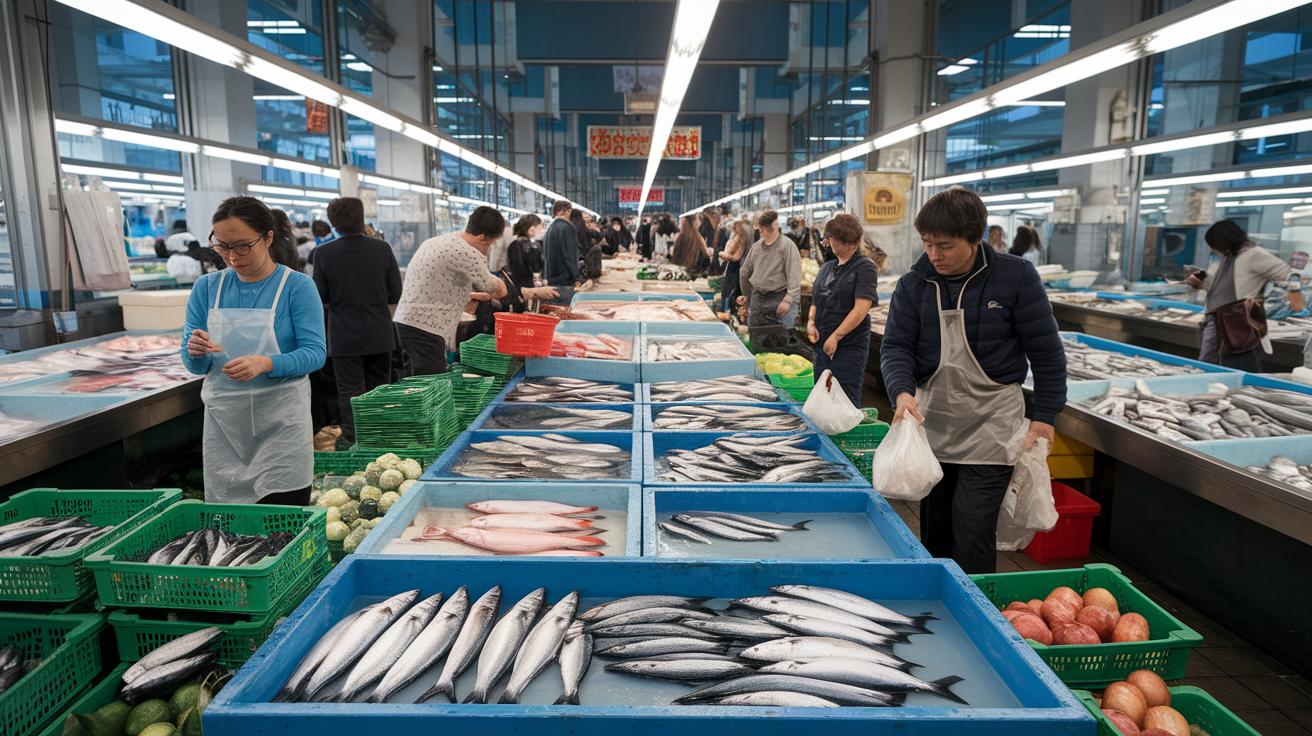
Hong Kong's wet markets are living pieces of history. They remind us of old street stalls where vendors sold fresh produce and live animals. You can still see seafood tanks with shiny live fish and rows of vegetables in plain plastic baskets. Many shoppers pick a fish themselves and ask to have it killed and cleaned on the spot. Although health rules have cut down on live poultry sales, the heart of these markets endures. The name "wet market" comes from the moisture of fresh produce and live animals, setting them apart from dry markets with prepackaged items.
Many old markets have moved from outdoor streets to government-run halls without losing their open-stall charm. Customers still enjoy the hands-on experience and the direct chats with vendors. Even as locations change, the spirit of Hong Kong's wet market culture stays strong.
Cooked Food Centres: Eateries Within Hong Kong’s Market Halls
Hong Kong’s wet markets now offer a fresh twist. In many government-run halls, you can pick up vegetables, seafood, and fruits and then sit down for a hot bowl of noodles or a bowl of congee. This mix of fresh shopping and ready-to-eat local dishes turns a simple market trip into a tasty adventure.
These food centres blend quick market stops with casual dining. Visitors can wander lively stalls and then enjoy freshly made Cantonese dishes right on the spot. One moment you might grab crisp greens from a vendor, and the next you are savoring a plate of dumplings. This modern twist on a traditional market lets locals and tourists enjoy the best of both worlds.
Practical Tips for Visiting Food Markets in Hong Kong
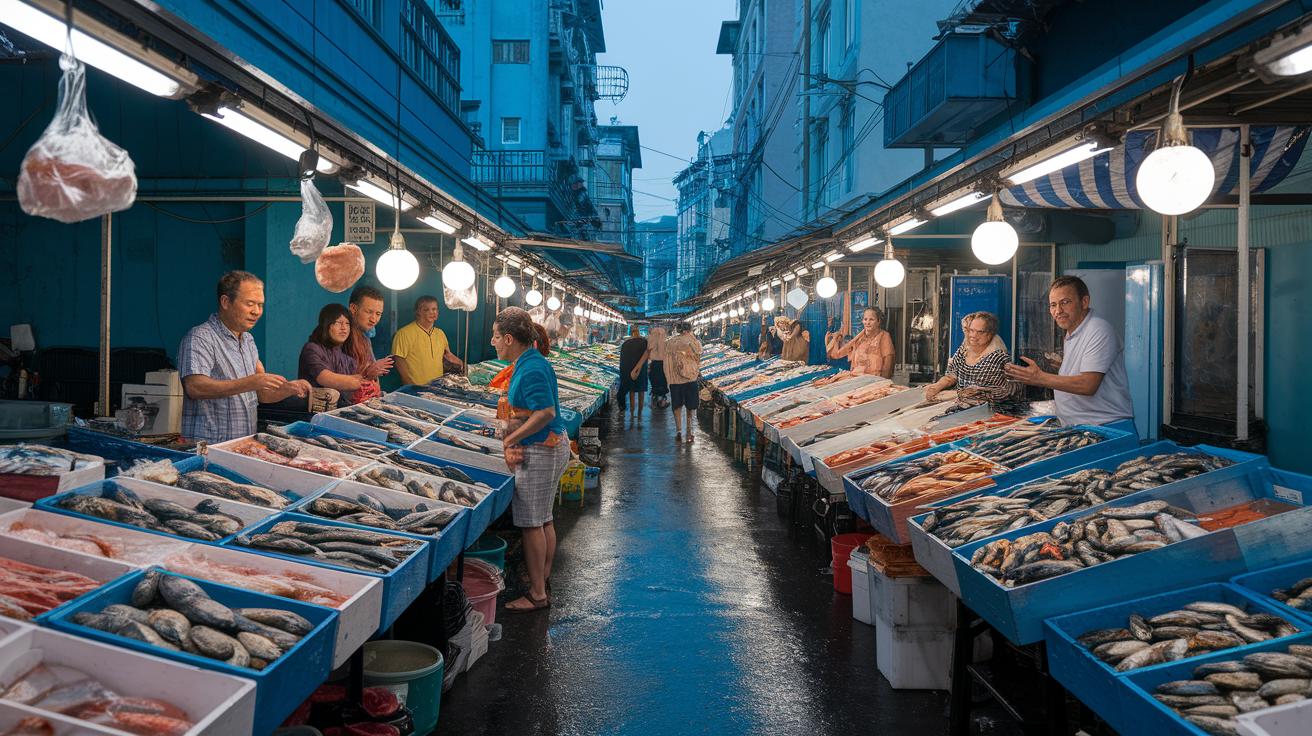
If you’re planning a trip to a wet market, it pays to go early. These markets kick off at dawn and wrap up by mid-afternoon. Seafood stalls often start around 7 a.m., giving you the best pick and a quieter scene.
Knowing a bit about local measurements helps too. One catty (斤) weighs about 600 grams, and one tael (兩) is roughly 37.5 grams. For instance, understanding that 2 catties equal about 1.2 kg can help you spot a bargain.
Many vendors prefer cash, so bring small bills or coins to make transactions smoother.
A friendly greeting goes a long way. Say hello and ask if they have any specials today. This warm approach can also land you a tip or two about hidden local treats.
- Arrive around 7 a.m. for the freshest seafood.
- Use local measurement conversions to check prices.
- Carry small cash bills or coins for easy transactions.
- Ask vendors about daily specials and unique local produce.
- Be ready to haggle for an authentic street food experience.
Specialty Produce and Seasonal Offerings at Hong Kong’s Markets
Hong Kong markets are alive with fresh, seasonal finds that change with the local harvest. In the summer, vendors proudly offer ripe lychees while local New Territories vegetables add a crisp, earthy taste to everyday dishes. At Graham Street Market, clusters of bright flowers and unique herbs treat both the eyes and the palate. Shoppers can choose from live seafood tanks, ensuring fresher-than-fresh fish is only an order away. Even though health rules have reduced live poultry stalls, a few still serve fresh chicken and duck, evoking a nod to traditional market days.
Seasonal shifts paint a vivid picture of local flavors. Winter brings pomelos with their zesty scent, and as spring arrives, stands burst with tender bamboo shoots and emerging greens. Alongside everyday produce, exotic snack options invite curious buyers to try treats that bridge generations. Affordable prices and the lively ambiance, from the gentle splash in seafood tanks to the inviting aroma of fresh herbs, make each market visit a dynamic experience. This vibrant mix is why Hong Kong’s markets continue to be a happening hub for food lovers all year.
Final Words
In the action, this article digs into top food markets in hong kong and shows how they blend tradition with modern twists. We unpack market layouts, market history, and tip-driven visits in clear action steps. The piece covers wet markets, cooked food centres, and seasonal produce to help restaurant owners stay ahead. Practical hints give you insight to shop like a local while adding value to your menus. These tips aim to make your food business grow and thrive, keeping the spirit of hong kong’s vibrant food markets alive.
FAQ
Q: What are the top food and street food markets in Hong Kong today?
A: The top food and street food markets in Hong Kong include traditional wet markets like Tai Po Hui, Bowrington Road, and Graham Street, along with the lively Temple Street Night Market that offers freshly prepared snacks and local treats.
Q: What is the most famous market or food street in Hong Kong?
A: The most famous market in Hong Kong is Graham Street Market, one of the oldest wet markets, while Temple Street is celebrated as a lively food street known for its ready-to-eat local flavors and vibrant atmosphere.
Q: What is the biggest supermarket in Hong Kong?
A: Big supermarket chains like PARKnSHOP have a strong presence in Hong Kong, offering wide selections of groceries, while local wet markets remain popular for fresh produce and traditional ingredients.
Q: What food is especially famous in Hong Kong?
A: Hong Kong is famous for its fresh seafood, dim sum, and iconic street snacks such as egg waffles and curry fish balls, all of which highlight the city’s rich culinary tradition.