

Do you ever wonder if what you eat can boost your energy? Iron is a key nutrient that keeps you active and helps fight off sickness. You'll be surprised to learn that many everyday foods, like fresh spinach and a bit of dark chocolate, are rich in iron. Our guide explains simple ways to get iron from both plants and animals, so you can enjoy balanced meals and feel energized every day.
Iron-Rich Food Products: Top Sources to Boost Your Iron Levels
Eating a range of iron-rich foods is important. Iron helps your body produce energy and keeps your immune system strong. By including both plant and animal sources, you also get extra protein and fiber, making your meals balanced and satisfying.
- Cooked spinach: Provides 6.43 mg of iron per cup along with 5.35 g of protein and 4.32 g of fiber. Enjoy it in wraps, salads, or as a warm side.
- White beans: Offer 6.62 mg of iron, 17.4 g of protein, and 11.3 g of fiber per cup. They work well in stews, chilis, or mixed into pasta.
- Lentils: Bring 6.59 mg of iron and 17.9 g of protein per cup. They are a hearty addition to soups or tossed into salads.
- Quinoa: Contains 2.76 mg of iron and 8.14 g of protein per cup. This complete protein is perfect as a base for a veggie bowl.
- Dark chocolate: A bar has about 12 mg of iron (around 1.2 mg per piece). It’s a tasty treat to help boost your iron.
- Pumpkin seeds: Deliver 3.67 mg of iron and 13.6 g of protein per cup. They are great for snacking or sprinkling on salads.
- Oysters: Six oysters can provide between 4.86 and 15.36 mg of iron. They also supply a healthy dose of zinc.
- Enriched bagels: A medium bagel gives you 4.46 mg of iron, a quick and handy choice.
- Instant grits: Each packet supplies 11.3 mg of iron, offering a fast iron boost.
- Beef (3.5 oz ribeye): Contains 1.64 mg of iron and 18.7 g of protein in a small serving, which helps in muscle repair and overall health.
Adding these foods to your meals helps keep your iron levels in check while keeping your diet interesting and nutritious.
Heme vs Non-Heme: Food Products High in Iron Explained
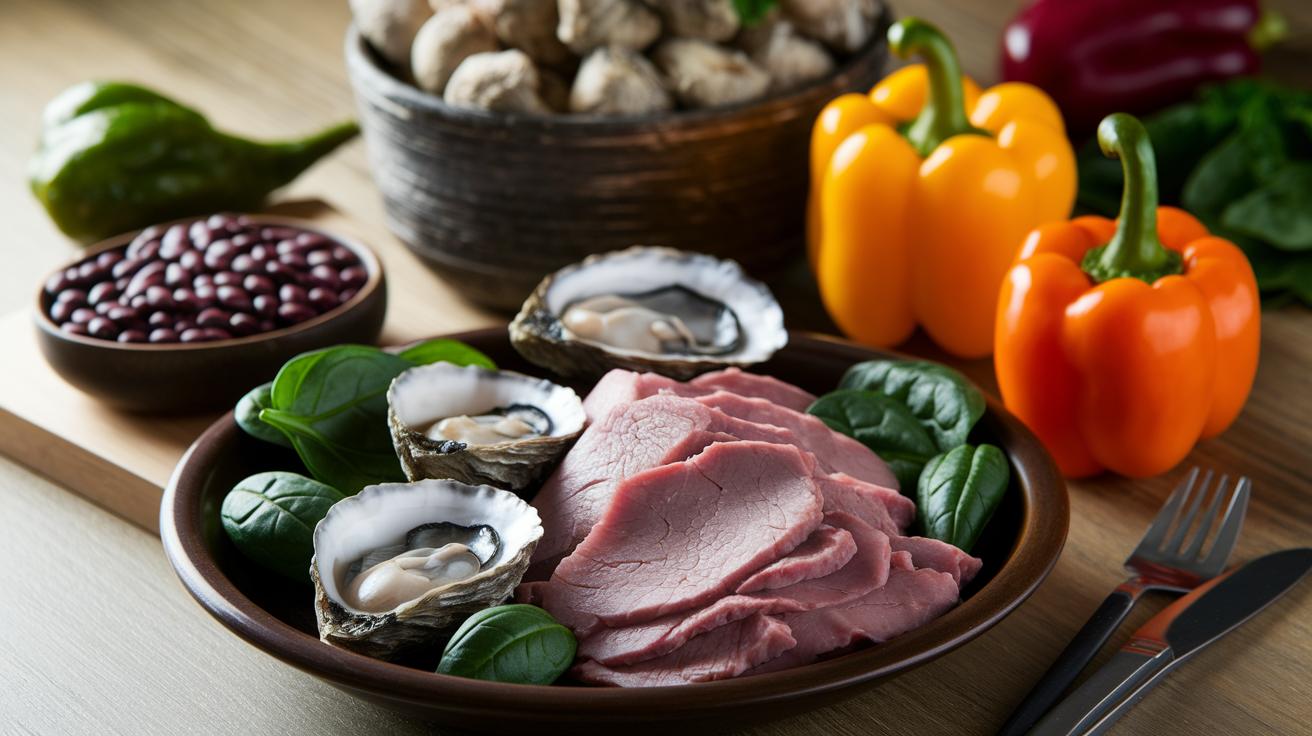
Heme Iron Sources
Heme iron comes only from animal foods like meat, seafood, and poultry. Your body soaks it up up to three times faster than non-heme iron. For example, six oysters can give you about 4.86 to 15.36 mg of iron. A 3.5 oz serving of beef offers around 1.64 mg, while 3 oz of turkey breast provides about 1 mg. These foods deliver iron in a form your body quickly uses, making them a solid pick if you need a fast boost.
Non-Heme Iron Sources
Non-heme iron is found in plants and works best when you eat it with vitamin C (like from oranges or bell peppers). A cup of spinach packs 6.43 mg, and white beans offer about 6.62 mg. Lentils give nearly 6.59 mg per cup, pumpkin seeds around 3.67 mg, and a bar of dark chocolate can contain up to 12 mg. Although your body doesn’t grab non-heme iron as fast as heme, pairing these foods with vitamin C helps a lot. Plus, these plant options add extra fiber and protein, supporting a balanced diet. Mixing animal and plant sources can help you stay fueled and boost your iron naturally.
Daily Iron Recommendations and the Role of Food Products High in Iron
Adults need iron for energy and proper body function. Women ages 19 to 50 typically require 18 mg a day, while men 19 and older need about 8 mg. Iron helps carry oxygen in your blood and fuels energy production. Choosing iron-rich foods is a smart way to hit these targets without relying only on supplements.
It’s important to spot signs of low iron. Constant tiredness, shortness of breath, chills, dizziness, brittle nails, or pale skin can all be hints. If you find yourself feeling drained or noticing weak nails, these may be clues that you need more iron.
Adding whole foods high in iron to your meals supports overall health. Foods like spinach, white beans, lentils, and fortified cereals not only deliver essential iron but also provide protein, fiber, and other nutrients. A balanced diet helps keep your blood healthy and your energy levels up.
Plant-Based Food Products High in Iron: Vegetarian and Vegan Options
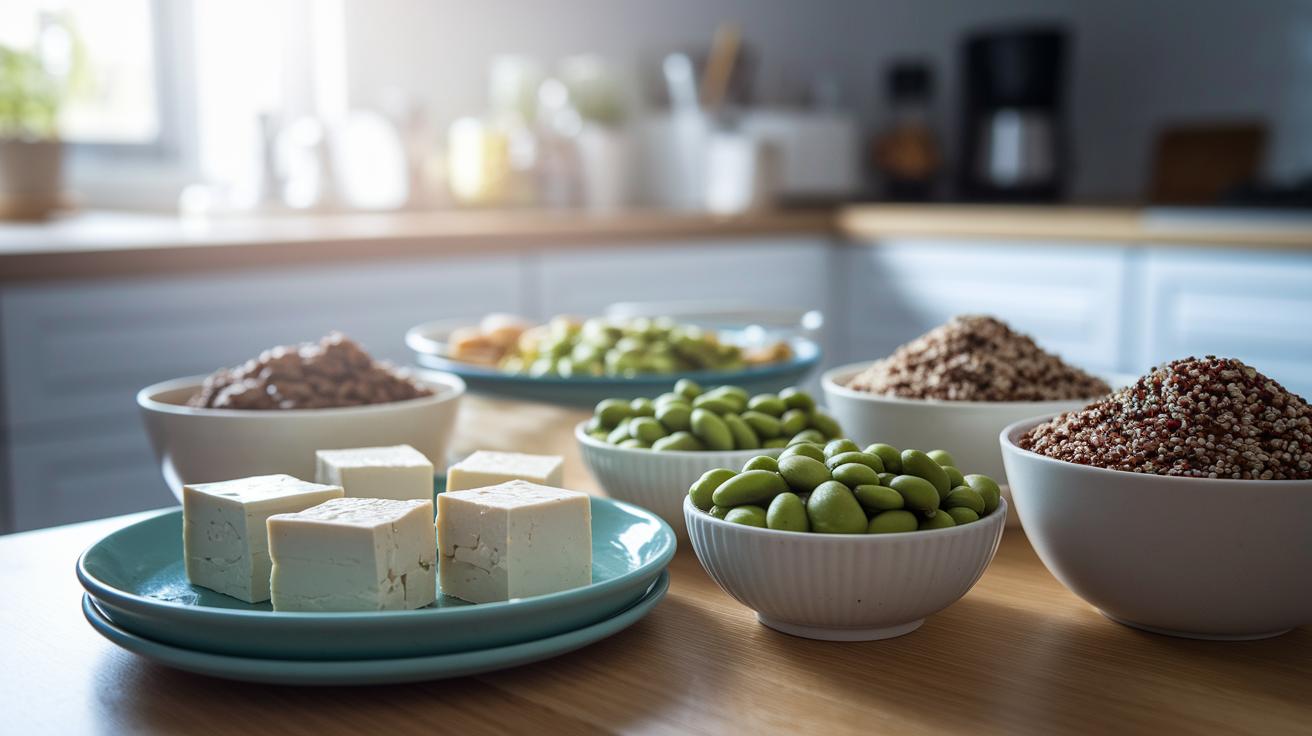
Plant foods provide non-heme iron that is key for people on vegetarian and vegan diets. This iron is not absorbed as fast as the iron in meat. Still, eating different plant foods boosts your iron intake and improves your overall nutrition. These foods also bring extra protein, fiber, and important minerals to keep your energy up and your body healthy.
Tofu gives you 1.42 mg of iron per 3 oz along with 9.16 g of protein. It works well in stir-fries and wraps. Edamame offers 3.52 mg of iron per cup and provides 18.4 g of protein as well as potassium and fiber, making it a great snack or salad addition. Quinoa delivers 2.76 mg of iron and 8.14 g of complete protein per cup, making it a hearty base for bowls. White beans pack 6.62 mg of iron, 17.4 g of protein, and 11.3 g of fiber per cup, perfect for soups or stews. Lentils add 6.59 mg of iron and 17.9 g of protein in every cup, while pumpkin seeds supply 3.67 mg of iron, 22.3 g of healthy fats and 250 mg of magnesium per cup.
Mix these iron-packed choices into bright salads, creamy smoothies, or enjoy them as energizing snacks to keep your meals diverse and nutritious.
Fortified Cereals and Grains: Food Products High in Iron for Quick Boosts
Ready-to-eat fortified cereals and grains are a fast and easy way to add more iron to your meals. One cup of fortified cereal can give you 18 mg of iron, covering the full daily amount for many adults. Instant grits pack 11.3 mg in one packet, while an enriched bagel offers 4.46 mg in one serving. Rolled oats add 4.34 mg per 100 g and steel-cut oats offer 3.8 mg per 100 g. Even a half-cup of cooked white rice gives 1 mg of iron, which can support your diet when paired with foods higher in iron.
| Product | Serving Size | Iron (mg) |
|---|---|---|
| Fortified Cereal | 1 cup | 18 |
| Instant Grits | 1 packet | 11.3 |
| Enriched Bagel | 1 medium | 4.46 |
| Rolled Oats | 100 g | 4.34 |
| White Rice | ½ cup | 1 |
Adding these iron-rich options to your breakfast or snack is a simple way to power your day. Try stirring in oats with some fresh fruit or enjoy an enriched bagel topped with your favorites. These choices keep your meals fresh while boosting your energy and overall well-being.
Recipes and Pairings: Maximizing Iron Absorption from Food Products High in Iron
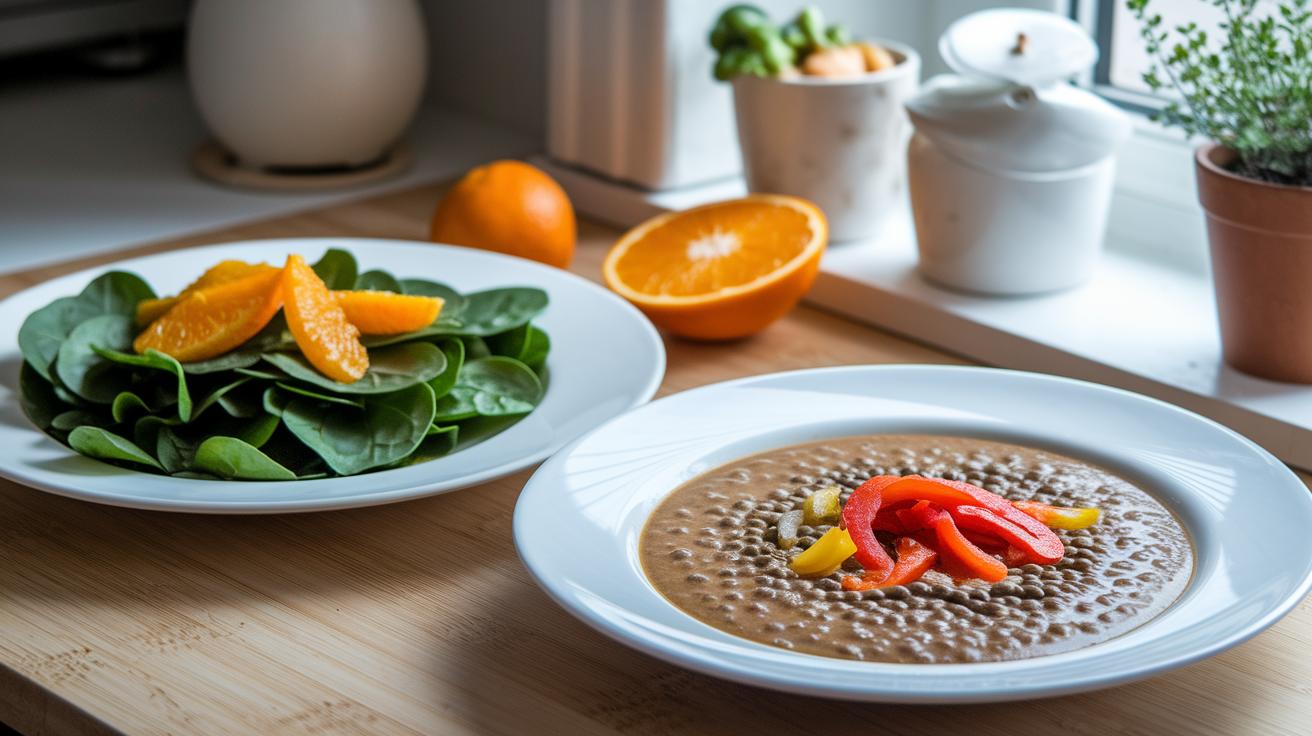
Vitamin C helps your body take in more non-heme iron from plants. When you mix a vitamin C-rich food with iron-loaded meals, your body can absorb up to 300% more iron. This means pairing items like citrus with other iron-rich foods is a smart move to boost absorption.
For example, try a spinach salad with orange segments. Spinach offers around 6.43 mg of iron per cup along with fiber, and the vitamin C from oranges helps your body use that iron better. You can also make a hearty lentil soup with chopped bell peppers. Lentils pack nearly 6.59 mg of iron per cup, while bell peppers add a zing of vitamin C to improve iron uptake. Another tasty option is a broccoli stir-fry with tomatoes. One cooked cup of broccoli provides about 1 mg of iron and 89 mg of vitamin C, and tomatoes add even more vitamin C to help your body absorb the iron.
To keep vitamin C levels high, use minimal cooking time. Fresh citrus dressings or a quick warm-up for vegetables can help maintain the vitamins while still delivering great taste.
Quick and Easy Snack Ideas with Food Products High in Iron
Dried apricots offer 3.46 mg of iron per cup and are easy to take with you. Their natural sweetness pairs well with crunchy almonds, giving you a satisfying mix of flavors and textures while boosting your iron.
Roasted pumpkin seeds give you 3.67 mg of iron per cup. Sprinkle a little sea salt on them for a savory, ready-to-eat snack. Their crisp bite is perfect for a quick energy lift during a busy day.
Dark chocolate squares serve as a sweet treat with 1.2 mg of iron per square, or about 12 mg per bar. Enjoy one or two squares to curb your sweet tooth and add a bit more iron to your diet.
Bran muffins provide 4.75 mg of iron per muffin along with 5.2 g of fiber. Their hearty texture and satisfying taste make them a great snack any time of the day.
Enriched bagels, which contain 4.46 mg of iron, work best when topped with fresh spinach and tomato. This simple combo not only tastes good but also fuels your day with nutrition.
For more quick and easy recipes, visit quick and easy recipe ideas.
Shopping Tips for Selecting Food Products High in Iron
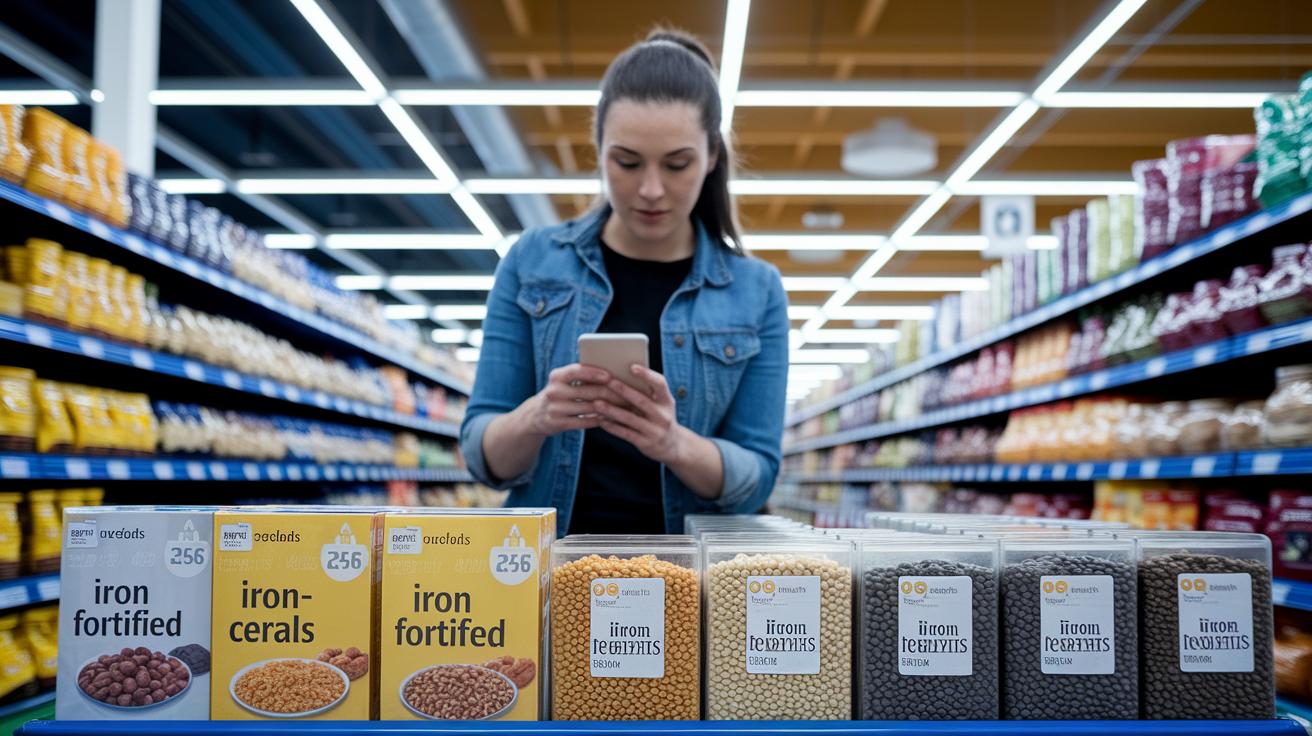
Choosing iron-rich foods is simple if you know what to look for. Start by checking for "iron-fortified" labels on cereals and grains. These items can provide up to 18 mg of iron per serving, helping you meet your nutrient needs.
Take a moment to compare bean packages. For example, white beans offer about 6.62 mg of iron and 17.4 g of protein per cup. Canned lentils are also a smart choice since they keep around 95% of their iron, making them both handy and healthy.
Also, grab frozen dark leafy greens. One cooked cup gives you roughly 6.43 mg of iron no matter the season. When shopping, compare prices and quality because fresh and canned varieties might differ in taste and texture while still delivering similar benefits.
For more tips, check out the healthy grocery shopping guide for families.
Final Words
In the action, this guide laid out top sources like spinach, white beans, and oysters, while explaining the differences between heme and non-heme iron. It highlighted daily iron recommendations and shared smart pairings to boost iron absorption. Practical shopping tips and easy snack ideas round out the insights. By mixing diverse food products high in iron into everyday meals, you can make dietary adjustments that support steady energy and health. This balanced approach leaves plenty of room for creativity in the kitchen.
FAQ
Q: What are the top 10 iron-rich foods?
A: The top 10 iron-rich foods include spinach, white beans, lentils, quinoa, dark chocolate, pumpkin seeds, oysters, enriched bagels, instant grits, and beef. These choices offer iron along with proteins and fiber.
Q: Which food has the highest iron content?
A: Dark chocolate has the highest iron content among common items, providing 12 mg per bar. Oysters also offer a strong iron boost, with values reaching up to 15.36 mg in a serving of six.
Q: What are some iron-rich foods for vegetarians?
A: Vegetarian iron sources include spinach, white beans, lentils, quinoa, pumpkin seeds, and dark chocolate. They supply non-heme iron, which absorption improves when paired with vitamin C-rich foods.
Q: What fruits and vegetables are high in iron?
A: Iron-rich fruits and vegetables feature dark leafy greens like spinach and dried fruits like apricots. These options help add important nutrients along with iron to your diet.
Q: What iron-rich foods help manage anemia?
A: Foods such as lean red meat, oysters, lentils, white beans, and fortified cereals are excellent for managing anemia. They support a rise in iron levels and help alleviate common deficiency symptoms.
Q: What iron-rich foods are beneficial for females?
A: Iron-dense options like dark leafy greens, legumes, lean meats, and fortified grains benefit females by addressing their higher iron needs and supporting overall energy and health.
Q: Which snacks are high in iron?
A: Snacks high in iron include dried apricots, pumpkin seeds, dark chocolate squares, and bran muffins. These portable treats offer a tasty way to boost iron levels between meals.
Q: Is there an iron rich foods chart available?
A: An iron-rich foods chart typically lists items such as fortified cereals, spinach, lentils, and meats with their specific iron content per serving, making balanced meal planning easier.
Q: Can iron cause a rash?
A: Iron from food rarely causes a rash. However, some people may experience skin reactions from iron supplements or high-dose iron intake, so it is best to consult a healthcare provider for advice.
Q: How can I raise my iron levels quickly?
A: Raising iron levels quickly is helped by combining iron-rich foods with vitamin C sources like citrus fruits or bell peppers, which enhances the absorption of non-heme iron.
Q: What foods are good for anemia during pregnancy?
A: Anemia during pregnancy can be managed with lean red meats, dark leafy greens, fortified cereals, and legumes. These foods provide essential iron to support both maternal and fetal health.