

Ever wonder where your food really comes from? Food traceability tracks every step, from the farm to your plate. Think of it like following a tomato’s journey from the field, through processing and storage, until it lands at your table. These clear records help speed up recalls and keep our food top quality. In short, a solid traceability system boosts food safety and quality, giving you extra peace of mind.
Food traceability elevates safety & quality standards
Food traceability means tracking each food item from where it starts to when it reaches your plate. It follows every step, from picking raw ingredients on the farm to processing, storing, and finally sending them to stores. Take a tomato for example; you can trace its journey step by step to ensure it meets high quality and safety standards.
The process starts with origin identification. This step shows where the food begins and confirms that good growing practices were used. Next is processing, where ingredients are mixed, cooked, or canned. After that, storage keeps the food at the right quality, and distribution makes sure items reach stores fast and safely. This system helps speed up recalls when needed. For instance, the United States experienced 492 recalls in 2021–22 and 232 FDA recalls in 2023.
A full traceability system makes a big difference. It improves food safety by keeping clear records at every stage. It also offers full supply chain transparency, so anyone involved can see a product’s complete history. This helps reduce costs when products need to be pulled off shelves. Plus, real-time food monitoring helps spot problems before they turn into safety issues.
| Process Step | Description |
|---|---|
| Origin Identification | Tracks where raw materials come from |
| Processing | Records how food is handled and made |
| Storage & Distribution | Keeps quality in check and moves products to stores |
Together, these steps boost quality control and help manage recalls quickly and efficiently.
Food Traceability Regulatory Requirements: FSMA Rule and FDA Mandates
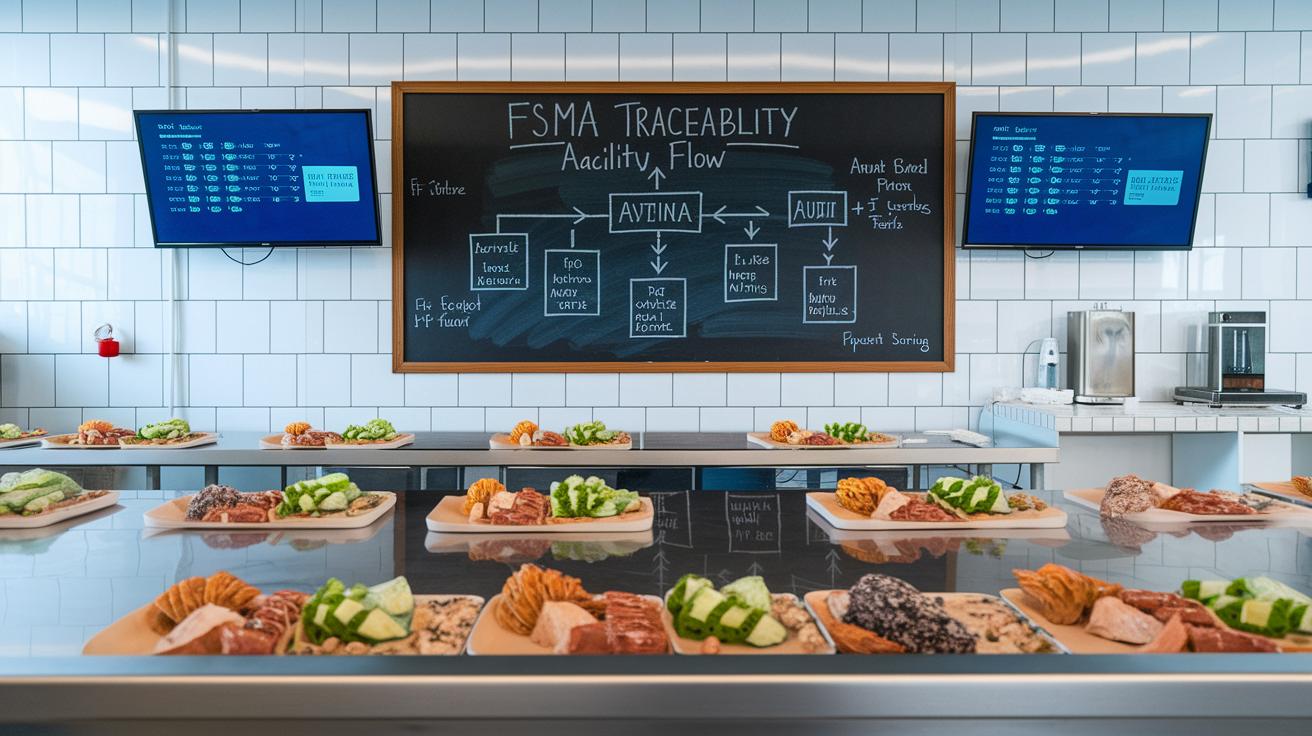
U.S. regulators now require companies to keep detailed records for certain foods under the FSMA Food Traceability Rule. This rule makes businesses note every step of a food's journey so that, if there is a problem, officials can quickly find the source. For more details on these requirements and best practices for record keeping, check out the food safety guidelines.
The FDA also has strict deadlines and audit-trail rules to ensure records stay accurate. Many modern systems let food businesses set up monitoring tasks in just 15 minutes. Some even offer downloadable HACCP plans in under one hour, which helps companies meet both U.S. and international standards.
Here are the main points:
| Requirement | Description |
|---|---|
| FSMA record-keeping | Companies must track every step of a food item’s journey. |
| FDA audit trails | Strict deadlines and record-keeping to keep data complete. |
| Fast monitoring setup | Systems allow quick configuration of monitoring tasks. |
| HACCP plans | Downloadable plans help meet domestic and global standards. |
These requirements aim to boost food safety by improving transparency and speeding up problem resolution. This helps protect both businesses and consumers.
Technology Innovations in Food Traceability: Barcodes to Blockchain
Digital tracking is changing the way food moves from production to store shelves. With barcode scanning, each product gets a unique code that lets businesses check its history in seconds. A quick scan can reveal the origin and handling details almost instantly. RFID tags work alongside barcodes, automatically recording an item's location as it goes through processing and storage.
IoT sensors play a big role in this upgrade. Temperature probes send live data to mobile apps and dashboards. When a sensor notices a change, food safety teams get an alert right away. For example, a mobile notification might read, "Alert: Temperature drop detected in storage; check required immediately." This quick feedback helps stop spoilage and keeps safety standards high.
Blockchain adds another level of trust. Its secure, unchangeable record means every transaction is stored permanently. Think of it like a digital diary that no one can change. QR codes also help by allowing a simple scan to confirm that products meet quality standards.
Integrated systems, such as smart labels and detailed logbooks, bring these tools together. They support fast recalls and strict quality checks. This setup not only improves food safety but also boosts consumer confidence from the farm to your fork.
Implementing Food Traceability Software: Best Practices and Process Steps

When setting up food traceability software, choose a system that tracks everything from raw ingredients to finished products. Look for solutions that bundle integrated ERP modules. These systems cover digital recipe books, shelf-life reminders, and offer more than 200 free templates like checklists, posters, and logs. A fast setup, sometimes in just 15 minutes, means less downtime and faster compliance.
Make sure your chosen system has strong security features. Look for encryption and audit trails to safeguard your data. Pick a solution that can grow with your business and offers a simple, user-friendly interface to cut down on training time. Automated checks help keep data accurate and flag any issues right away.
Cloud-based traceability systems work well because they sync data in real time across locations and support remote monitoring. Adding data analytics gives you quick insights into trends and potential problems so you can act fast. Choose tools that blend easily with your current setup to give a clear view of every step in your supply chain.
| Step | Action |
|---|---|
| 1 | Evaluate system security and scalability |
| 2 | Test the user interface for ease of use |
| 3 | Deploy automated verification and data analytics tools |
| 4 | Confirm a swift setup process for ongoing efficiency |
Managing Food Recalls and Quality Assurance via Traceability Data
Traceability data now powers smart alerts for product expiration and real-time monitoring. It logs each step of the process so quality checks happen without repeating old recall stats. For example, you might see an alert that says, "Alert: Batch #204 expiring soon – review required." This tells staff to check the batch immediately.
Detailed record-keeping tracks products from production right to the store shelves. This fast-tracks any necessary product removals and boosts consumer trust while meeting safety rules. For more on key safety measures, see critical control points food safety.
Challenges and Strategies for End-to-End Food Traceability Adoption
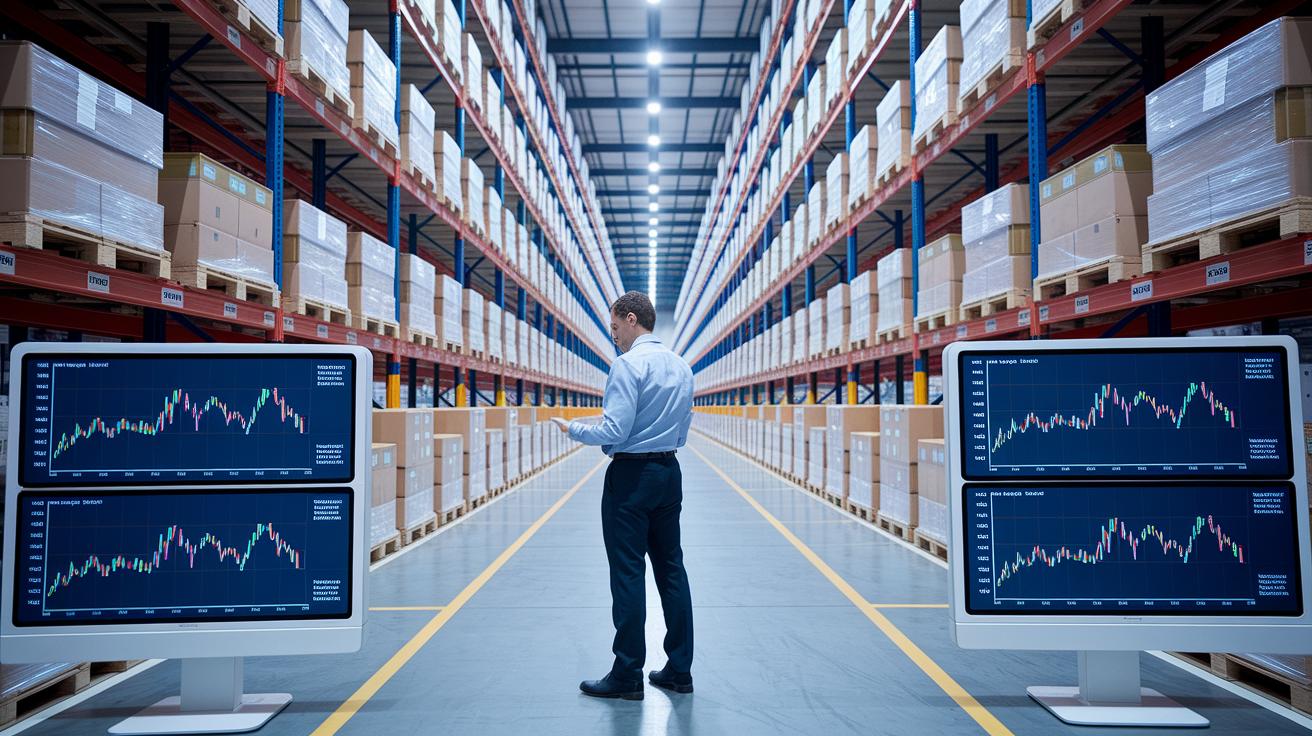
Food traceability systems run into many issues that can weaken supply chain data. A key problem is using different tracking rules in different areas. This gap makes data inconsistent and hard to manage. High tech costs and fears about data privacy and security add to the challenge. Smaller companies may lack the funds and skills needed to adopt these advanced systems. For example, a producer might get mixed sensor readings from various regions, delaying the fix of food safety issues.
Companies can beat these challenges with a few practical moves. They can start by using the same data format everywhere to cut down on errors. Rolling out changes gradually makes the upgrade process easier. Cloud-based platforms offer a strong way to manage trace data while keeping food system risks in check. And teaming up with trusted tech providers gives the support needed to deploy advanced tools.
These steps work together to fix common problems, safeguard data, and simplify trace tracking. With clear and set standards, businesses can better protect data and lower tech costs. This focused approach not only improves risk management across food systems, it also boosts overall system reliability, ensuring traceability leads to safer, higher-quality food.
Global Perspectives and Future Trends in Food Traceability
Firms around the world are upgrading their food tracking systems to meet stricter safety rules. Offices in New York at 225 Broadway #660 and in Hamilton, Canada at 21 King St W are setting the pace for better food safety. They use advanced tools like AI (artificial intelligence that analyzes data), smart sensors, and blockchain (a secure way to record transactions) to track food from production to store shelves.
Mobile apps now give real-time updates on food movements and condition. This helps companies act fast during recalls and keep quality checks strong. As governments demand tougher digital systems and consumers expect clear information, businesses are investing more in these modern tracking methods.
These improvements promise to fill gaps in the supply chain and boost consumer trust. Soon, a more digital and uniform approach will make our food system safer and more reliable for everyone.
Final Words
In the action, the post broke down how food traceability systems track products from start to finish. It covered the key steps, regulatory rules, and tech solutions driving smoother tracking and enhanced safety. Small-to-midsize owners can see how modern software and real-time monitoring aid compliance and recall management. Practical strategies also promise better data handling and risk control. Embracing food traceability can boost confidence and streamline operations, setting the stage for a safer, more transparent food environment.
FAQ
What is food traceability?
The term food traceability means tracking a food product’s journey from its origin to the consumer by documenting each step from growing and processing to distribution.
What is an example of food traceability or traceability?
An example of food traceability is a system that uses barcodes or RFID tags to follow a batch from the farm through processing, packaging, and delivery to stores.
How does food traceability software work?
Food traceability software automates record keeping using tools like barcode scanning, RFID, and IoT sensors to provide real-time updates across each step of the supply chain.
What is the FDA Food Traceability rule?
The FDA Food Traceability rule requires detailed record keeping to track high-risk foods, making it easier to identify and remove contaminated items if a safety issue arises.
What is the FSMA 204 Food Traceability List?
The FSMA 204 Food Traceability List is a mandated record of foods that must have detailed tracking information, ensuring a quick response during any safety concerns or recalls.
What does a Food Traceability List include?
A Food Traceability List includes products that need tracking details, listing product origins, processing steps, and distribution data to boost food safety and meet regulatory requirements.