

Ever wonder how a few precise steps can stop food hazards? In food safety, experts set up key checks called critical control points. At these points, one small error can lead to big risks, but a small win can keep dangerous germs and chemicals away. By focusing on these steps, food professionals build strong HACCP plans that protect what lands on your plate. This post explains how tracking each step boosts food safety and why it matters to you.
Identifying and Managing Critical Control Points in Food Safety Systems
Critical control points (CCPs) refer to key steps in a food process that help block or remove safety risks. They appear in a HACCP plan (Hazard Analysis and Critical Control Points), where every step is checked for its ability to control hazards like bacteria, chemicals, or physical debris. For example, cooking ground beef patties to at least 160°F (71°C) helps kill harmful germs such as E. coli O157:H7. The FDA explains that a CCP is any step where control is needed to stop or reduce risks. For more details on CCPs, visit critical control points food safety.
An in-depth hazard analysis is key to effective HACCP risk management. This process involves mapping out the production steps, spotting possible hazards, and setting up steps to prevent them. Once you identify the risks, you must decide which steps to label as CCPs. These critical steps are watched and recorded carefully so that any change can be handled quickly. A clear, documented HACCP plan is essential for steady food safety.
- List all possible hazards, whether biological, chemical, or physical.
- Check each step to see if it can prevent, remove, or lessen a hazard.
- Use decision trees or other organized tools to determine if a step is a CCP.
- Set clear, measurable limits, such as exact temperatures or time frames.
- Create methods to monitor each step and document how to correct issues when limits are not met.
The HACCP team is crucial. They regularly review control measures, verify records, and adjust processes as needed to ensure food safety.
Distinguishing CCPs, Control Points, and Prerequisite Programs in Food Safety

Control Points (CP) are steps in the food production process designed to manage potential hazards. Prerequisite Programs (PRP) set up clean work conditions and proper facility standards. Sometimes, companies use Operational PRPs (oPRP) to focus on high-risk areas that need extra care. Together, these measures help lower the chance of contamination through everyday safe practices.
Critical Control Points (CCP) are different because they deal directly with hazards that pose serious food safety risks. For example, ensuring that ground beef patties reach the right temperature stops dangerous bacteria from growing. With set limits and ongoing checks, CCPs act as a strong barrier in the process and boost quality checks, making production safer for everyone.
Step-by-Step Hazard Analysis for Critical Control Point Identification
We use a clear decision tree method to spot risks in food production. This approach helps highlight parts of the process that could bring biological, chemical, or physical dangers.
- Write down every stage in the food production process.
- Note all possible hazards at each stage.
- Sort these hazards into three groups: biological, chemical, or physical.
- At each step, use the decision tree to decide if it should be a Critical Control Point. For example, ask, "Does this step have clear limits?"
- Set strict limits such as specific temperatures or time boundaries for each risk.
- Record how you will monitor these limits at each critical point.
- Check and update the analysis regularly to cover any new or changing risks.
This method mixes a clear decision tree with standard hazard checks to make sure each step is carefully watched. It gives you an easy way to manage contamination risks and keep control of the food safety process.
Setting Critical Limits and Monitoring Procedures for CCPs
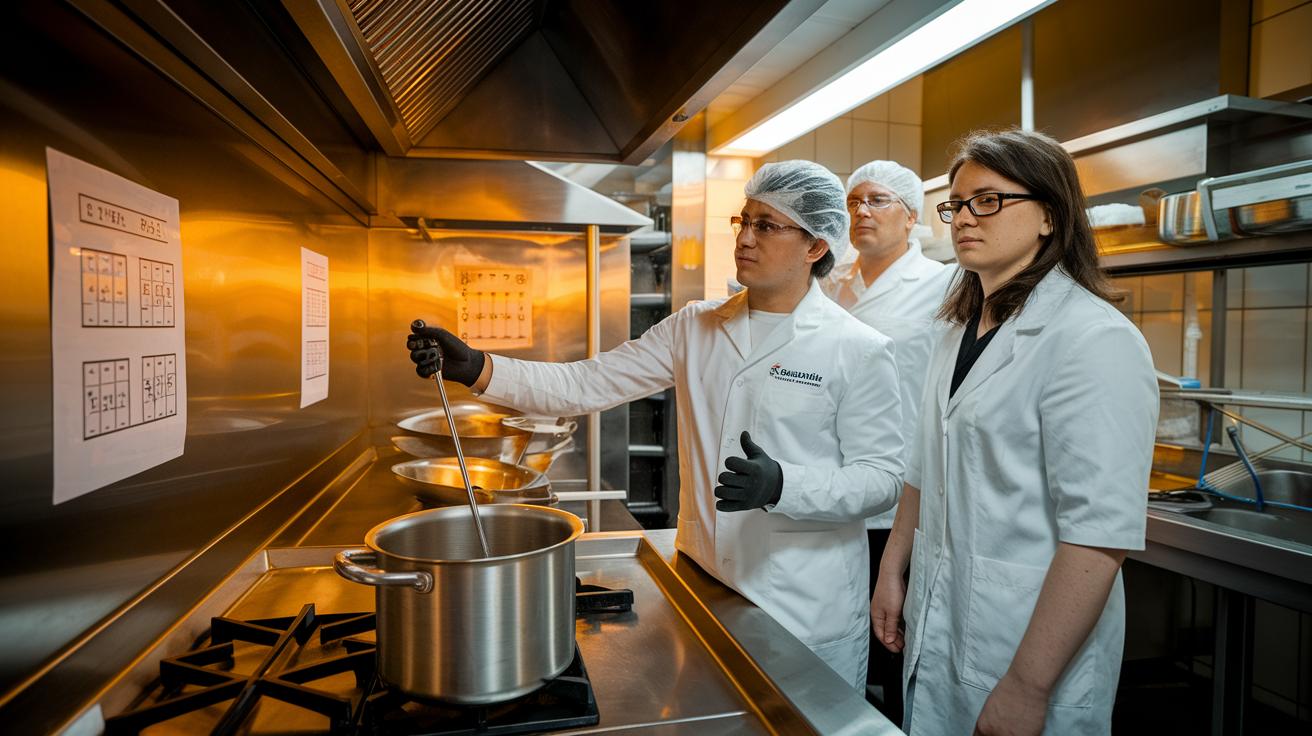
Develop clear, measurable limits as part of your HACCP plan. These targets, like 160°F for ground beef and 140°F for hot holding, act as checkpoints for food safety. Earlier guidelines focused on cooling, so now the goal is to stick to these set numbers every time.
Use a calibrated thermometer to check temperatures regularly. Record readings for every production batch or at a minimum every four hours. It's like checking your car's oil – regular checks keep everything safe and running smoothly.
Keep a simple log for each reading and note any corrective actions taken. This clear record helps prove that safety standards are being met every step of the way.
Corrective Actions and Verification Processes for CCP Compliance
If a Critical Control Point falls short of its set limit, quick action must be taken. This might mean adjusting processing settings or even tossing out the affected product to keep risks at bay. It's important to log every step of these actions so regulators can review the process if needed. The record should note the exact problem, the action taken, and the time it occurred. This routine record-keeping not only helps improve operations but also shows a strong commitment to managing food production risks safely.
Verification steps are key to checking if corrective actions worked and making sure we stay compliant. Regularly reviewing records like temperature logs and calibration reports is needed to monitor safety across production batches. Equipment must be calibrated often, and management should review processes at least every four hours or after each batch to catch any deviations quickly. This strict inspection routine helps keep the safety system robust and builds trust in the overall food safety process.
Common Critical Control Points in Food Production: Practical Examples

Food production goes through many steps where clear checks keep food safe. For example, storing raw meats in a cool place stops bacteria from growing. Heating food properly kills off germs that might be present. Keeping pre-cooked food warm above 140°F makes sure it stays safe until served. Cooling cooked food fast, within 2 to 4 hours, helps stop dangerous bacteria from multiplying. Other checks include testing grains for toxins like Aflatoxin and using sieves to catch dirt. These steps help ensure quality and meet safety rules.
Another key check is to prevent allergen cross-contact. This step makes sure that harmful allergens do not mix into the product. There are also recipe checks to confirm that ingredient amounts follow approved standards. All these checkpoints are part of the HACCP system, which monitors risks at every stage. Manufacturers must keep verifying that each measure works correctly. From cooling and heating to thorough testing for toxins and contaminants, these actions help protect consumers and build trust in the food they eat.
| CCP | Control Measure | Critical Limit |
|---|---|---|
| Cold Storage | Keep raw meats at a safe temperature | Below 40°F |
| Thermal Processing | Heat food to kill bacteria | 160°F for ground meats |
| Hot Holding | Keep pre-cooked food warm | At or above 140°F |
| Rapid Cooling | Cool cooked food quickly | 70°F within 2–4 hours |
| Toxin Testing | Check grains for Aflatoxin | Below regulated limits |
Critical control points food safety: Empowering HACCP Excellence
In Australia, food businesses must follow the Australia New Zealand Food Standards Code by using a Food Safety Program that helps spot hazards and protect public health. In the United States, the FDA requires clear HACCP plans that lay out critical control points along with their safety limits. These rules form the backbone of food traceability and proper record keeping. Companies must document each processing step, monitor results, and take corrective action immediately if safety limits are breached. Local rules enforce strict food safety standards to lower the risk of food poisoning and similar hazards, cementing a safe supply chain.
Certification programs also confirm that food production meets high safety standards both nationally and internationally. Many facilities earn accreditation in HACCP, SQF, GMP, BRC, FSSC, and FSMA to satisfy tight regulatory requirements and build customer trust. Auditors check key process steps and records to ensure the system manages hazards effectively. Teams in charge must have the right qualifications and train regularly to keep up with compliance. For more details about certification standards, visit food safety certification. Robust certification practices keep food businesses on track with approved control measures while continuously improving safety and quality.
Best Practices for Continuous Management of Critical Control Points

Our method builds on trusted practices we’ve covered before. We mix regular training, timely system rechecks, smart food safety software, and routine equipment inspections to keep our control steps strong. This routine backs up our real fixes and proactive reviews that we’ve detailed in our corrective actions and verification processes.
- Run internal audits and recheck your critical points often.
- Calibrate equipment regularly to keep it spot on.
- Keep training sessions going to strengthen safety and accountability.
- Use food safety software for real-time updates.
- Keep clear records of fixes and system rechecks.
- Set up regular management reviews to keep improvement moving forward.
Final Words
In the action, the article breaks down essential steps for preventing hazards in food handling. It explains how to identify risky points, set and monitor clear limits, and take corrective actions when needed. The focus on practical examples, regulatory frameworks, and continuous checks shows how to keep operations running smoothly.
Clear guidance on critical control points food safety helps protect your business and customers. These insights offer the tools you need to maintain safety and drive operational success.