
Ever wonder what makes safe food companies stand out? SQF certification shows that a company follows strict practices from production to distribution. It means every step is checked to make sure food is safe and meets high quality standards. This helps companies meet government rules and make customers feel secure about what they eat. In today's tight market, having SQF certification gives businesses an edge. It is not just a label, it is a sign of trust, smoother operations, and overall success.
SQF Food Safety Certification Overview
SQF certification is a complete food safety system that sets a high standard for safe food practices. It covers every step from production and processing to packaging, storage, and distribution. With 13 specific codes for different industry segments, the program lays out clear rules that suppliers must follow. Big retailers like Walmart and Costco require SQF certification to reduce risks and protect their brand reputation.
Getting food safety certification through SQF not only keeps consumers safe but also boosts a company's operations. Companies that earn this certification enjoy better quality control and stronger credibility, giving them an edge in a market where safety matters. Rigorous audits and strict global standards ensure that businesses can meet both food quality and regulatory demands.
Globally, SQF certification means more than a safety mark. It opens up new markets by showing consumers and business partners that products meet tough quality standards. By requiring detailed practices in production, storage, and distribution, the program helps companies improve operations and manage risks effectively. Businesses that invest in SQF certification demonstrate a clear commitment to food quality and consumer trust, positioning them for long-term success and growth in the competitive food industry.
SQF Food Safety: Superior Standards Spark Success

The SQF journey starts with choosing the right Food Safety Category. This step sets the stage for defining which parts of the process need strict controls. It also needs strong backing from top leaders so that everyone is on board. Leaders review current practices against the SQF Code to spot any gaps. This early check helps shape a Food Safety Management System that covers production, processing, packaging, storage, and distribution.
After laying the foundation, companies build a detailed Food Safety Management System along with essential prerequisite programs. They develop a HACCP plan (a step-by-step guide to control food safety hazards), write clear work instructions, and set up document controls. Everyone in the team gets the necessary training so they know exactly what to do. Most facilities earn certification in 6 to 12 months. Those with a solid HACCP plan might complete it in just 3 to 6 months. Ongoing annual audits ensure these practices stay effective.
- Executive buy-in and scope definition
- Gap analysis versus the SQF Code
- FSMS and prerequisite programs development
- Documentation control and training
- Environmental monitoring and testing plan
- Internal audits and mock pre-assessment
- Certification audit and corrective action closure
- Continuous improvement and maintenance
By following these clear steps, companies boost their food safety standards and show a real commitment to quality. This roadmap not only builds consumer trust but also makes daily operations more efficient and opens new doors in competitive markets.
SQF Food Safety Audit Standards and Scoring
SQF audits check if facilities follow strict SQF Institute rules that match ISO standards. It begins with a kickoff meeting. Then auditors review documents, tour the facility, and talk with employees. They also inspect key points in food safety (important steps that need close attention) to make sure every process follows the rules. When issues arise, the facility must fix them within a set time.
Auditors use a point system where problems can take away between 1 to 50 points. The final score shows how the facility did: Excellent for scores between 96 and 100, Good for 85 to 95, Acceptable for 70 to 84, and Fail if below 70. This clear check helps facilities see where they stand and what they need to improve.
| Rating | Score Range | Result Interpretation |
|---|---|---|
| Excellent | 96–100 | Exemplary performance |
| Good | 85–95 | Above average performance |
| Acceptable | 70–84 | Minimum acceptable performance |
| Fail | <70 | Not meeting standards |
SQF Food Safety Requirements and Documentation
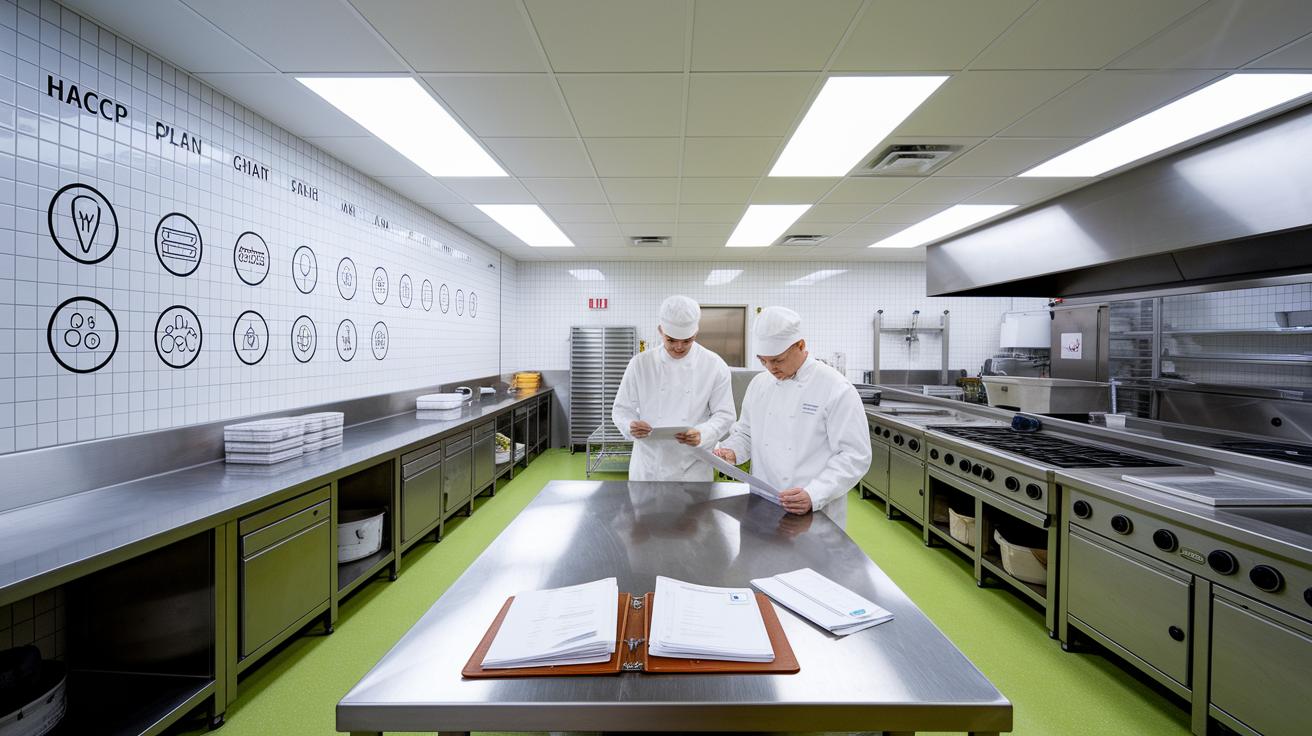
A full Food Safety Management System (FSMS) is key for SQF certification. This system covers every step of production and comes with clear records. It includes a step-by-step HACCP plan that targets food safety risks, easy-to-follow work instructions, and simple sanitation procedures. You also need clear supplier checks, trackability rules, and plans for handling recalls so risks stay in check.
SQF Code Edition 9, which started in May 2021, lays out record-keeping and verification steps for 17 industry sectors. These records cover food production and the checkpoints that ensure safety rules are met. Following these guidelines lets facilities meet global standards and shows their promise to serve safe, top-quality food.
Good document control is a must for ongoing compliance. This means keeping track of document versions, saving staff training records, and logging any corrective actions. Think of it like a chef's organized pantry; clear records help food manufacturers follow regulations every time and keep consumer trust strong.
SQF Food Safety Certification Costs and Investments
Getting SQF certified starts with different registration fees depending on your program. For instance, facilities using SQF Fundamentals pay about US$250, while most Codes come in at around US$650. When you add the Quality program, fees max out at US$800. If you run several sites, expect a central fee of US$1,500 plus US$50 for each extra location. These fixed costs help businesses plan their certification budget.
Audit and administrative fees make up a large part of the investment. The first onsite audit, usually lasting 2 days, costs between US$7,300 and US$9,000. After earning certification, annual audits for recertification run between US$4,500 and US$6,000. This shows that keeping up with SQF compliance means regular spending, not just a one-time fee.
There are also internal costs that add up. Facilities need to train employees, create detailed documents, and fix issues as they come up. Sometimes, facility upgrades or process improvements are necessary, which can cost from a few thousand dollars to tens of thousands. Every investment not only helps secure certification but also boosts food safety and builds trust in the market.
SQF Food Safety Continuous Improvement and Maintenance

SQF compliance isn’t a one-time deal. Even after a company gets certified, it must keep up with its food safety practices. Each year, surveillance audits and recertification reviews, and unannounced checks every few cycles, help make sure the food safety rules are followed. For example, a facility might check storage temperatures from its logs to ensure the fixes they put in place still work.
Regular self-checks also matter. Companies meet with managers and track key numbers to spot areas needing an update. They tweak their Food Safety Management System as soon as audits show any gaps. This routine review of corrective actions helps them catch problems early and stay on top of their safety game. These steps not only protect consumers but also meet retailer standards.
Keeping an eye on everything in real time and quickly closing any gaps is key to keeping SQF certification trusted. Using clear audit checklists every day helps companies maintain strong food safety standards and build buyer confidence. Sticking with these simple improvement methods shows a real commitment to quality that meets industry needs and market demands.
SQF Food Safety Programs and Options for Manufacturers
SQF offers a step-by-step program perfect for small and medium businesses. The SQF Fundamentals Program teaches basic Good Manufacturing Practices and key food safety steps. It builds a solid base for companies starting out and grows with them.
For bigger makers, the SQF Food Safety Program fits well. It meets full Global Food Safety Initiative benchmarks across 17 sectors. Every part of the process, from production to distribution, follows strict global standards. This shows major retailers and partners that the business takes food safety seriously.
Manufacturers wanting to boost product quality can add the SQF Quality Program. This extra feature helps improve product consistency and customer satisfaction. It works alongside the main program so companies can fine-tune their operations. With global oversight from the SQF Institute, businesses can choose the solution that fits their size and goals.
Final Words
In the action, the post broke down the SQF certification journey, from an overview of food safety standards to detailed steps in the audit, documentation, and cost analysis. It also examined continuous improvement and varied programs for manufacturers.
This guide shows how implementing sqf food safety steps can boost efficiency and market confidence. Clear, actionable advice means restaurant operators can make smarter decisions for safer, quality operations. Positive changes start with strong systems and steady progress.
FAQ
What is SQF food safety pdf?
The SQF food safety pdf provides the official guidelines and standards for achieving food safety certification. It details requirements, procedures, and checklists to help facilities meet food safety benchmarks.
What is SQF food safety training?
The SQF food safety training outlines courses and sessions designed to prepare staff to meet SQF standards. It covers practical techniques and policy reviews to help teams implement food safety protocols.
What is SQF food safety checklist?
The SQF food safety checklist summarizes key requirements for compliance. It covers documentation practices, facility standards, and employee training to ensure all food safety protocols are maintained.
What is SQF food safety certification?
The SQF food safety certification verifies that a facility meets global food safety standards. It involves structured audits, corrective actions, and ongoing checks to ensure safe, high-quality food production.
What does SQF mean in food safety and the food industry?
SQF stands for Safe Quality Food. It defines a set of food safety management standards that help companies produce food safely and consistently while meeting buyer and regulatory expectations.
How does Safe Quality Food certification online work?
The Safe Quality Food certification online process enables digital submission of documentation and audit scheduling. It streamlines certification while maintaining the same rigorous standards for food safety compliance.
What is the SQF certification cost?
SQF certification cost varies by facility size and scope. Costs include registration, audit, and maintenance fees, ranging from a few thousand dollars for small operations to significantly higher amounts for larger facilities.
What is included in the SQF food safety audit Edition 9?
The SQF food safety audit Edition 9 follows updated guidelines. It includes document reviews, on-site inspections, employee interviews, and checks of corrective actions to ensure compliance with new record-keeping protocols.
What are the three principles of SQF?
The three principles of SQF are establishing a robust food safety management system, maintaining rigorous documentation and controls, and promoting continuous improvement through regular audits and corrective actions.
What is the difference between HACCP and SQF?
The difference between HACCP and SQF is that HACCP is a preventive method focusing on risk analysis in food safety, while SQF is a full certification program that incorporates HACCP principles along with additional management and documentation standards.
What is the difference between SQF and GMP?
The difference between SQF and GMP is that GMP focuses on basic manufacturing practices for quality production, whereas SQF is a comprehensive certification program covering extensive food safety management, audits, and documentation.