

Ever wonder if the restaurant you're about to try is safe? Health inspectors release fast alerts that share key details about issues like wrong temperatures or unclean surfaces. This quick info helps you decide where to eat and gives restaurant teams a head start to fix problems. Stay informed and eat with confidence.
Real-Time Food Inspection Alerts from Health Departments
Health departments share updates right away to help both consumers and industry pros. These alerts give clear facts about food safety risks so you can act fast when something isn’t right. If, for example, a restaurant has a temperature problem, you can decide whether to dine in or order takeout. One recent alert read: "Before grabbing your lunch, check the latest status. Joe’s Diner had a critical temperature issue on 2024-06-12, showing why current info matters."
Below is a table of the five most recent alerts. It shows the facility name, inspection date, a short description of the violation, and a link for more details:
| Facility Name | Inspection Date | Violation Summary | Alert Link |
|---|---|---|---|
| Joe’s Diner | 2024-06-12 | Critical temperature breach | link to report |
| Sunrise Café | 2024-06-11 | Unsanitary food contact surfaces | link to report |
| Green Leaf Eatery | 2024-06-10 | Improper holding temperature | link to report |
| Bistro Boulevard | 2024-06-09 | Poor sanitation practices | link to report |
| City Bites Grill | 2024-06-08 | Cross-contamination risk | link to report |
These quick updates are part of a public health system that keeps everyone informed with fast, reliable information about food safety concerns.
Breakdown of Food Safety Violations in Health Department Alerts

Health department alerts highlight common food safety issues that affect both diners and restaurant staff. Recent data shows that 32% of these alerts point to problems with keeping food at the right temperatures, a key factor in preventing spoilage. Nearly one in four alerts (24%) report cross-contamination, where raw and ready-to-eat foods come into contact. In addition, 19% of the reports mention too few handwashing stations, which can lead to unsafe food handling. Pest sightings show up in 15% of cases, while outdated food labels make up 10%.
When an inspector finds a restaurant struggling with temperature control, it gets flagged right away. This warning serves as a clear sign for officials and consumers that there is a significant safety issue.
These statistics outline the main risk areas and help guide the next steps for follow-up. They give restaurant operators specific targets to fix and allow consumers to better judge which eateries meet safety standards.
Key points include:
| Violation | Reported Cases |
|---|---|
| Improper holding temperatures | 32% |
| Cross-contamination | 24% |
| Inadequate handwashing stations | 19% |
| Pest infestation / Outdated labels | 15% / 10% |
Accessing Full Dining Establishment Inspection Reports
State and county health departments offer online tools where you can find complete restaurant inspection reports. Start by visiting your state's health department website and look for links titled "Inspection Reports" or "Food Safety." For instance, if you want details on a nearby diner, simply type its name into the search box.
If you have the restaurant’s license number, enter it to narrow down your search, especially if the name is common. Once you spot the right establishment, click the listing to view more details. These reports usually include the inspection date, the inspector’s name, and a list of any violations.
Download the report as a PDF to review specifics like violation details and any follow-up notices. This document provides a clear snapshot of the establishment's compliance with food safety standards. For example, if you see a note about an improper holding temperature, you can check later to confirm if it has been corrected.
By using these steps, you remain informed about a restaurant's food safety practices while supporting proper health department oversight.
Interpreting Sanitary Compliance Warnings and Risk Ratings
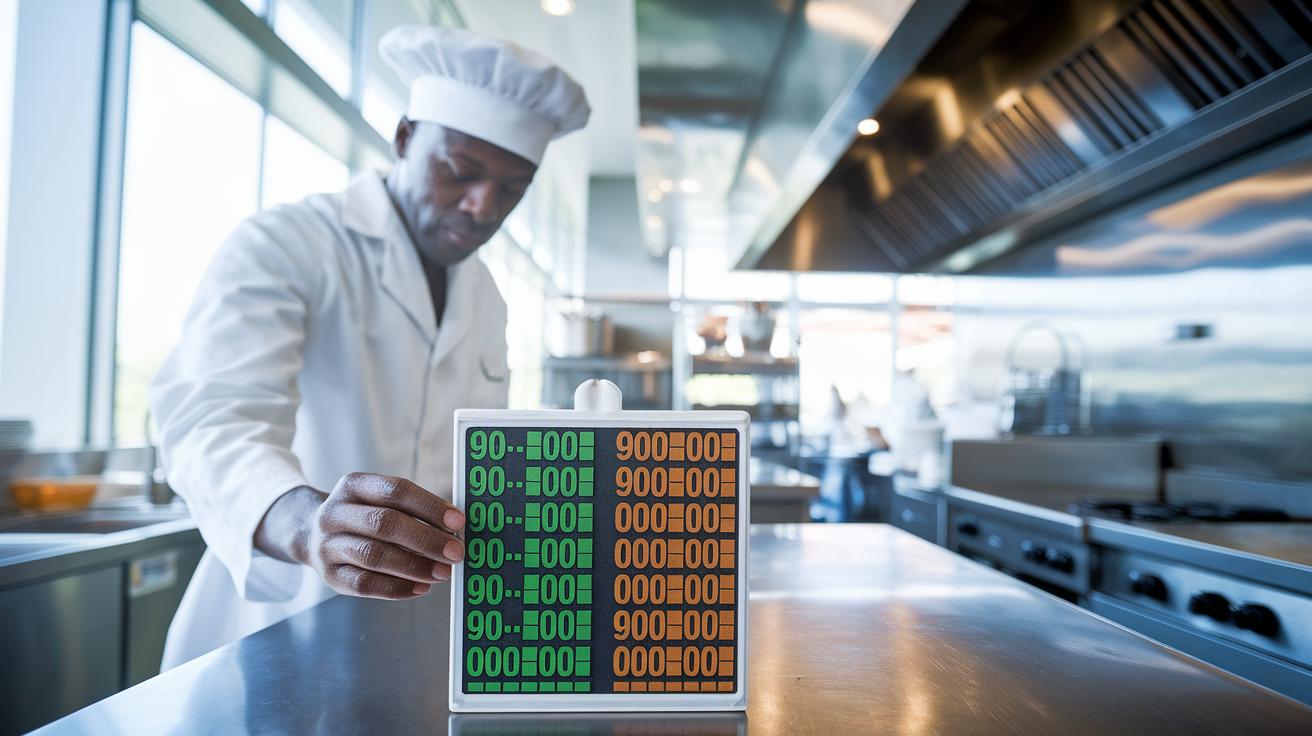
Local health departments score restaurants from 0 to 100 based on food safety. They use simple color codes so you can quickly see if a spot meets sanitation standards. Next time you check an inspection alert, glance at the score and color for a clear snapshot of its safety.
Here's a quick guide:
| Risk Score Range | Rating | Color Code | Description |
|---|---|---|---|
| 90–100 | Excellent | Green | Meets all standards |
| 80–89 | Satisfactory | Yellow | Minor issues needing follow-up |
| Below 80 | Needs Review | Red | Serious or multiple violations |
A green alert (90–100) means the restaurant is clean and meets all sanitation rules. A yellow rating shows there are small issues that may need another check. If you see a red alert, it signals big problems that require immediate attention. This simple system helps you decide which places are safe to eat at.
Utilizing Digital Alert Systems for Inspection Notifications
Digital alert systems help you keep on top of inspection notices, sending quick, clear details right to you. They alert you instantly when a restaurant or facility falls short on food safety standards. For instance, a simple SMS from a county health department once warned a family of a dangerous lapse just minutes before dinner was served.
Here are the top five ways to get real-time health alerts:
- California FoodSafe App (sends state alerts for CA facilities)
- New York State Inspection RSS Feed (works with your favorite reader)
- FDA Recalls & Safety Alerts Email (delivers detailed updates via email)
- County Health Department SMS Alerts (common in TX counties)
- EPA Food Recall Twitter Updates (shares live tweets on food safety)
Each option has its strong points. The California FoodSafe App makes it easy to check alerts on the go. The New York State Inspection RSS Feed just needs a quick subscription for ongoing updates. Email and SMS alerts, like those from the FDA and local counties, are great if you prefer notifications without extra login steps. Twitter provides a fast, public way to see important trends and issues. Together, these tools help both consumers and professionals stay informed about food safety and compliance.
Consumer Action Steps When a Facility Appears on an Alert
If a food outlet fails a health check and shows safety violations, act fast to protect you and your family. Here’s what you should do:
-
Hold off on dining or ordering takeout until you see that a re-inspection has cleared the issue. If your favorite local spot is flagged, delay your plans until the health department gives the green light.
-
Give the restaurant a quick call. Ask if they are addressing the problem or when they expect to reopen. A fast conversation can help you understand what’s happening.
-
Contact your local health department if you still notice problems or if new issues arise. Reporting ongoing concerns ensures officials can take the needed steps to safeguard public health.
-
Keep an eye on any follow-up alerts or notifications. Updates will tell you when it’s safe to go back.
-
Share the information with friends or on review sites. Many people have avoided potential risks by passing along alerts, helping others steer clear of unsafe spots.
By taking these quick steps, you help maintain safe dining options and hold food facilities accountable for their practices. Stay informed and safe when choosing where to eat.
Final Words
In the action, this guide broke down real-time food inspection alerts from health departments into clear, manageable steps. It covered how to spot key violations, check full reports, and understand risk ratings. You now have a practical overview to quickly assess facility status using health department food inspection alerts. Small restaurant operators can confidently monitor safety and manage risk with these tools. Keep embracing these updates and stay one step ahead to ensure safe dining and smoother operations.