
Ever wonder if your food is truly safe? Government rules make sure that every part of food production, from making it to delivering it, meets strict safety standards. Laws like the Pure Food and Drug Act (a law meant to protect consumers) help federal agencies check each step and hold food makers accountable. This means you can feel confident in every meal you enjoy. Read on to find out how these rules work to keep your food safe and reliable.
Essential Elements of U.S. Food Regulations
Food regulations are the rules that help keep our food safe and good to eat. They cover every step from food production to delivery and are based on laws passed by Congress, like the Pure Food and Drug Act and the Meat Inspection Act of 1906.
These rules are the foundation of the food industry. Every food maker must meet these standards, which allow federal agencies to protect consumers and steer market practices.
- FDA: Inspects food and drugs to help keep them safe.
- USDA: Regulates meat, poultry, and egg products to ensure they are safe to eat.
- FSIS: Checks slaughterhouses and processing plants to see if they follow the rules.
- CDC: Monitors and investigates foodborne illness outbreaks to help prevent more cases.
Federal rules set a basic standard that state and local agencies must follow or improve on. Local authorities can add stricter measures based on regional needs. This layered approach makes sure that food is safe from the farm to your table, protecting consumers everywhere while keeping oversight strong and clear.
Regulatory Framework: FDA Pre-market Safety Standards

Before food products hit the shelves, companies must pass a strict safety check. The FDA requires a plan called Hazard Analysis and Critical Control Points (HACCP). This plan uses guidelines from the Codex Alimentarius (international safety standards) to help producers spot and fix issues before the food reaches you.
The HACCP plan follows five clear steps:
- Hazard analysis: Look for safety problems in both ingredients and how the food is made.
- Identify critical points: Find the stages where risks are highest.
- Set limits: Define simple rules that show when a process might be unsafe.
- Monitor: Regularly check that each step meets these set limits.
- Corrective actions: Quickly fix any step that goes off course.
The Codex Alimentarius gives a global benchmark for these steps, showing what is safe. Besides using HACCP, companies also need a system to track every detail. This system logs where ingredients come from, how food is processed, and where it goes, which makes it easier to find and solve problems fast. These steps work together to keep food safe from start to finish.
Food Regulations: Inspection and Compliance Procedures
Federal and state inspectors check food facilities to make sure they follow safety rules. They look at everything from food storage to processing using risk-based methods set by the Revised Food Code. Scheduled inspections help confirm that facilities stick to the rules and keep everyone safe.
Sometimes, targeted checks are done when complaints or record issues show problems. These audits focus on high-risk areas so any safety concerns can be quickly fixed. This method helps catch hazards early and keeps food handling on track.
| Audit Type | Frequency | Lead Agency |
|---|---|---|
| Routine | Scheduled | Local Health Dept. |
| For-cause | As Needed | FDA or USDA |
Recalls are sorted into Class I, II, or III based on the health risk they pose. Products in the higher risk groups face urgent recall steps. Digital recordkeeping now plays a big role by offering clear audit trails. This makes it easier for regulators to review records, check compliance, and manage recalls fast so food safety always remains a top priority.
Food Regulations for Packaging, Labeling, and Allergen Disclosure
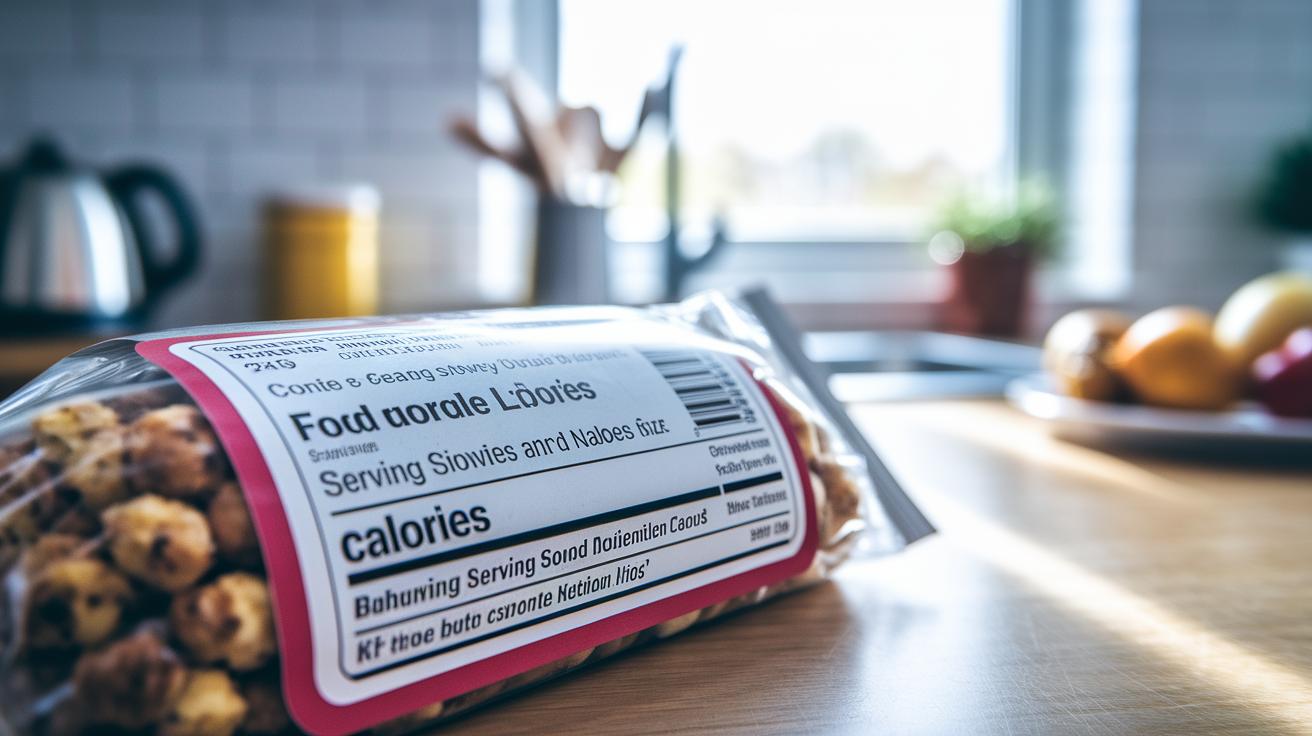
Food packaging rules mean every product must have clear, easy-to-read labels. Manufacturers need to list nutrition facts and ingredients so shoppers quickly know what they’re eating. This clear info covers serving sizes, calories, and key nutrients, and it shows that the product meets federal safety rules.
Key details on labels include:
- Serving size
- Servings per container
- Calories per serving
- Total fat, including saturated and trans fat
- Sodium content
- Total carbohydrates, with dietary fiber and sugars
- Protein amounts
- Essential vitamins and minerals
Allergen information is vital too. By law (FALCPA, the Food Allergen Labeling and Consumer Protection Act), labels must list major allergens like milk, eggs, fish, shellfish, tree nuts, peanuts, wheat, and soy. This info helps people with allergies avoid dangerous ingredients. The allergen details must be in a prominent spot on the package for easy visibility.
Clean-label trends are also changing how products list ingredients. More brands now use simple, recognizable components instead of long lists of additives. Also, laws on GMO ingredients mean that if any genetically modified parts are used, the label must say so. This gives shoppers a straight look at what's in their food, building trust and helping them make informed choices.
Food Regulations: State and Local Variations
Local health departments make sure that restaurants follow more than just basic federal rules. They inspect facilities to spot risks early and offer help when there are problems. This extra checkup helps restaurants meet strict local sanitation rules that go beyond what's required by the government.
Many local rules mean more thorough cleaning and safety steps in food preparation areas. These rules are shaped by community needs, which pushes restaurants to use higher standards to keep customers safe.
Restaurants must meet key requirements before they can open their doors. These include:
- A layout that supports smooth food flow and keeps cooking areas separate.
- Equipment that meets hygiene and maintenance guidelines.
- A certified manager to run daily operations and ensure compliance.
- Food storage methods that keep items at safe temperatures to avoid contamination.
- Clear emergency steps to handle any food safety issues.
Mobile vendors like food trucks and market booths also need special permits. They must follow their own safety standards, which cover how their unit is built, how permits are shown, and that drivers or operators have the necessary certifications. Local health officials often inspect these vendors to make sure they follow both basic federal rules and tougher local guidelines.
Food Regulations: Enforcement, Recalls, and Crisis Management

When foodborne outbreaks occur, federal groups like the FDA and CDC work together to protect public health. They use fast, clear steps and emergency plans to reduce the spread of illness. Quick action is key to stopping problems before they get worse.
- Identification: Tests quickly spot unsafe products.
- Notification: Consumers and business partners are warned as soon as risks show up.
- Retrieval: Affected products are removed from shelves without delay.
- Destruction: Recalled items are safely disposed of to stop further harm.
- Verification: Officials check that all dangers have been cleared away.
If a crisis hits, clear protocols put agencies on the same page. These steps follow public health rules and assign clear roles to everyone involved. By sticking to strict recalls and emergency plans, officials can contain outbreaks and keep our food supply safe and trusted.
Recent Revisions and Emerging Trends in Food Regulations
The FDA's 2024 Food Code updates change how food production is checked. These updates use risk-based inspections, digital recordkeeping, and better traceability to spot issues early. Modern tools and flexible standards help regulators act faster and keep food safe.
After the pandemic, food rules have also shifted. Transparency in the supply chain has become a top priority. Many companies are taking charge by monitoring their own processes, which supports government efforts. This trend pushes for higher standards that meet and even go beyond federal rules, creating consistency across states.
- Industry self-regulation promotes proactive quality control
- Efforts to harmonize regional food safety standards
- Update summaries that mix best practices from different strategies
Food Regulations Impact on Sustainability and Waste Management Initiatives
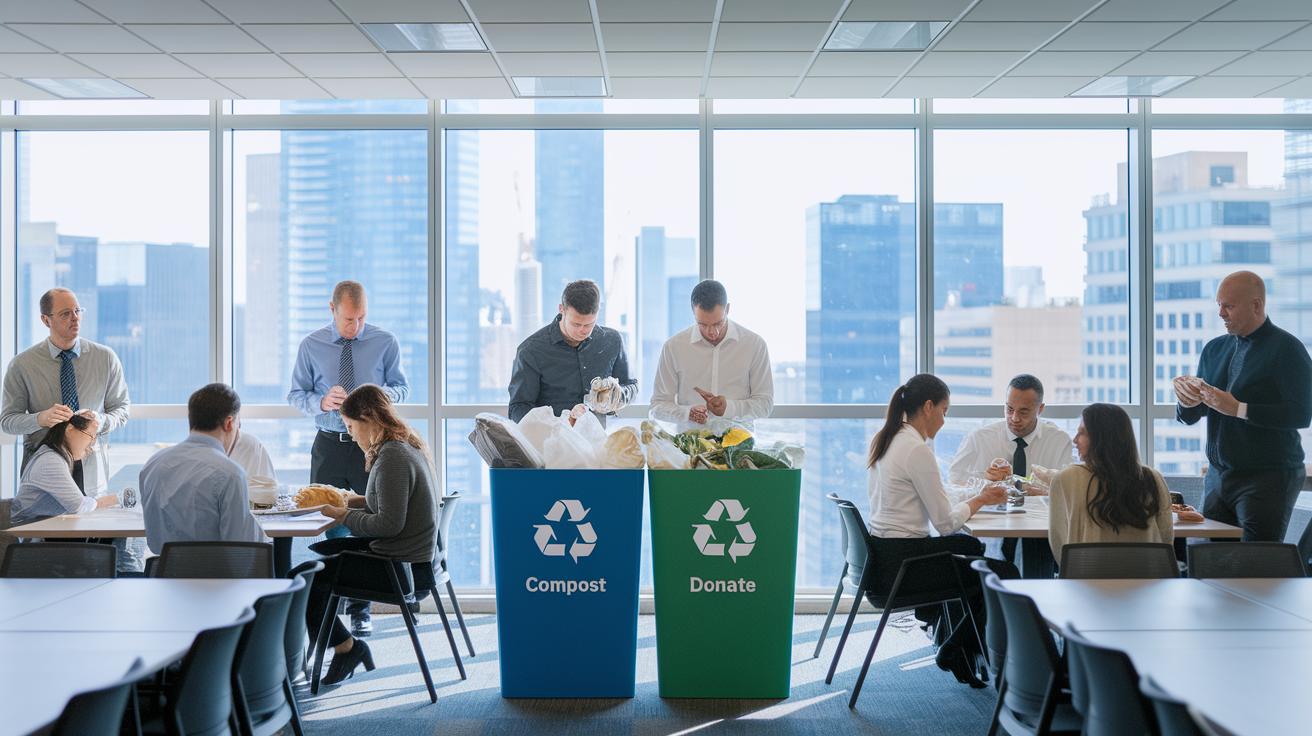
New waste-management rules now push companies to run food waste audits and report any extra food donations. Many states have policies to cut environmental damage, while federal and local programs back greener supply chains. These efforts drive businesses to improve practices from production to distribution. Federal oversight paired with local measures sets clear guidelines that support food sustainability initiatives and boost accountability.
- Regular waste audits to track food waste output
- Donation tax credits that offer financial benefits for giving away extra food, reducing waste and helping community access
- Sustainability certifications that confirm a company's commitment to greener practices, with more details on food waste reduction strategies available online
These clear rules help companies keep an eye on their environmental performance and adjust operations accordingly. By following these guidelines, food producers meet regulatory requirements and consumer expectations, building trust and cutting waste. This structured approach lays a strong foundation for sustainability in food production and waste management.
Final Words
In the action, we explored how U.S. food regulations work, from federal laws and FDA safety checks to local licensing and sustainability practices. We touched on inspection methods, pre-market reviews, and crisis management tactics. Each section illuminated the balance between food safety and innovation. Small-to-midsize restaurants can use this overview to adjust operations and keep customers safe. Food regulations help secure healthier menus and smooth operations, ensuring a bright future for the industry.
FAQ
What are food regulations?
Food regulations are rules that protect public health by setting standards for food production, labeling, processing, and distribution. They originate from laws passed by Congress and are enforced by agencies like the FDA and USDA.
How can I access a food regulations list or PDF?
A food regulations list is available on government websites where you can download PDF files. These documents compile the standards and guidelines for ensuring food safety and proper labeling.
How have changes under administrations like Trump and upcoming 2025 revisions impacted food regulations?
Changes during the Trump administration focused on streamlining oversight, while predicted 2025 revisions aim to strengthen traceability and safety standards. These shifts adjust to evolving industry practices and consumer protection needs.
What are 5 of the food safety guidelines?
Food safety guidelines include maintaining proper cooking temperatures, safe storage practices, avoiding cross-contamination, regular cleaning and sanitizing, and practicing good personal hygiene to reduce foodborne illness risks.
What are the 7 rules of FSMA?
The 7 rules of FSMA stress preventive controls, supplier verification, hazard analysis, risk-based inspections, detailed recordkeeping, process controls, and effective corrective actions, all designed to safeguard public health.