

Ever wonder if your food stays true to nature? In a world full of lab-made ingredients and shortcuts, non-GMO foods stick to natural methods by skipping genetic tweaks. When you see the Non-GMO seal, it means a trusted check confirmed the ingredients are natural. This translates to cleaner food with fuller nutrition and a nod to traditional farming methods. Read on to see how these pure choices can boost your health and help the environment.
Non GMO Food Products: Trusted, Pure Picks
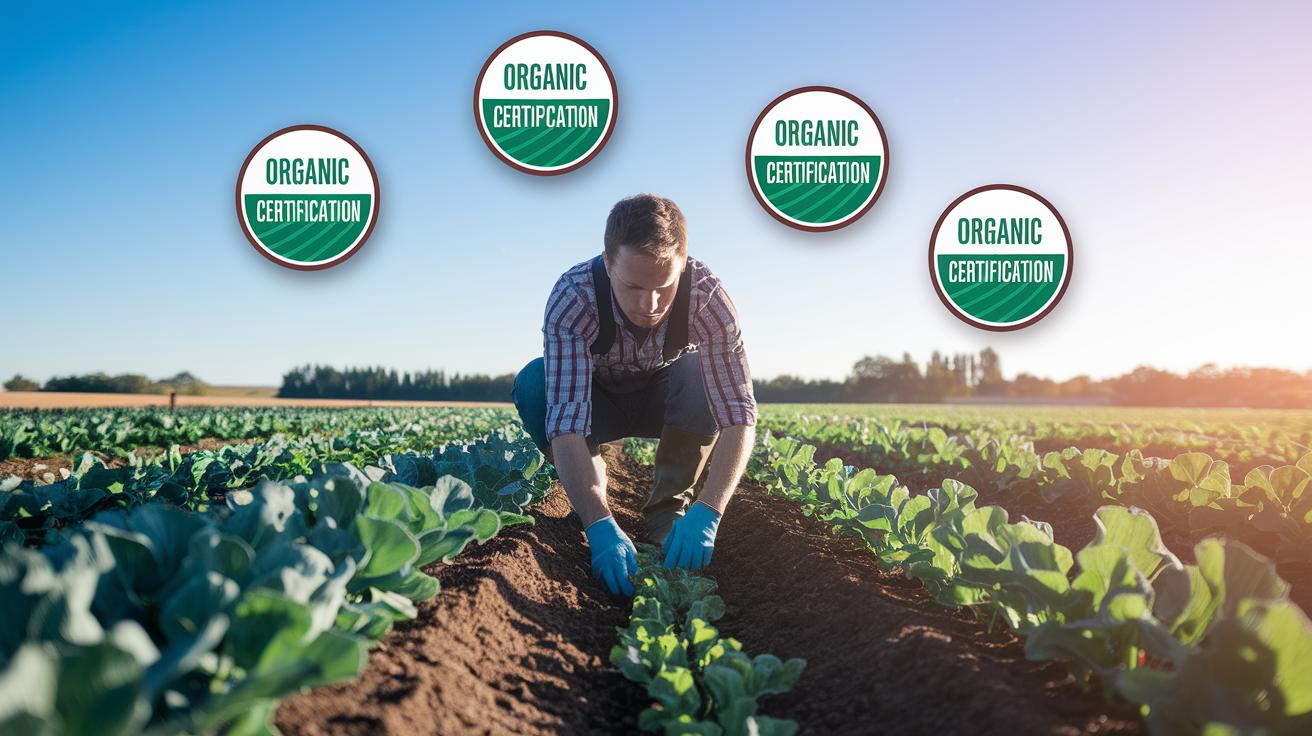
Non-GMO food products come from ingredients that have not been changed in a lab. They use seeds grown naturally so the food keeps its original character. A non-GMO label tells you the product skips the gene tweaks common in many commercial items.
USDA organic certification also bans genetic changes. All organic foods must be non-GMO, and they go further by avoiding synthetic pesticides and herbicides. This means producers follow strict rules to keep the food as natural as it can be.
The Non-GMO Project seal is the main U.S. mark that a product has been checked for genetic alterations. When you see this seal, you know independent tests confirmed the food is free of modified genes.
Think of the seal like a trusted friend giving a nod that your meal is truly made the right way. Clear labels like this help you make smart choices and support food practices that stay true to nature.
Comparing Non-GMO Food Products to Organic Unmodified Selections
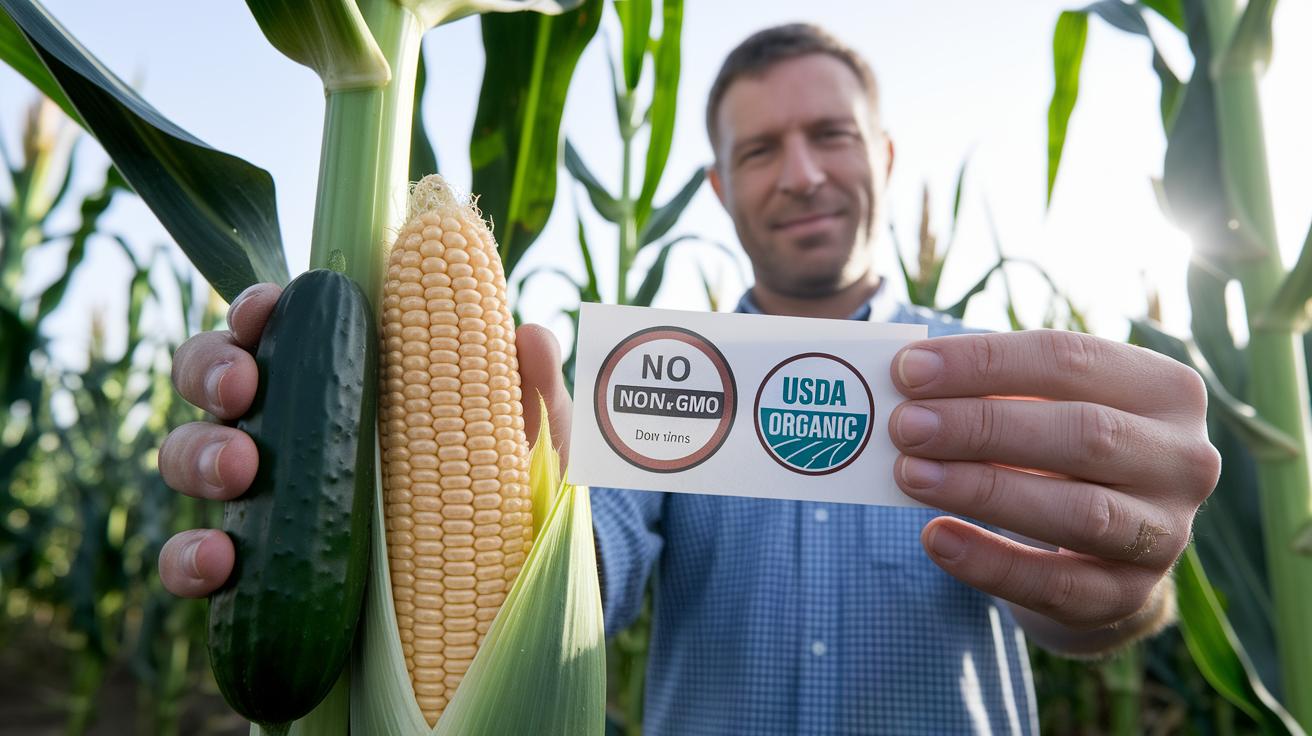
Organic-certified foods are always non-GMO. They are grown without using synthetic pesticides or herbicides.
A non-GMO label only tells you that the food's ingredients have not been genetically altered. It does not mean that no synthetic chemicals were used during growing.
When you see the USDA organic seal, it means the food met extra standards. For example, imagine a T-shirt made from cotton grown without pesticides compared to one that is only labeled non-GMO.
Checking labels carefully can help you decide if you want a simple non-GMO promise or the extra assurance that comes from organic practices.
Health, Nutritional, and Environmental Benefits of Non-GMO Food Products
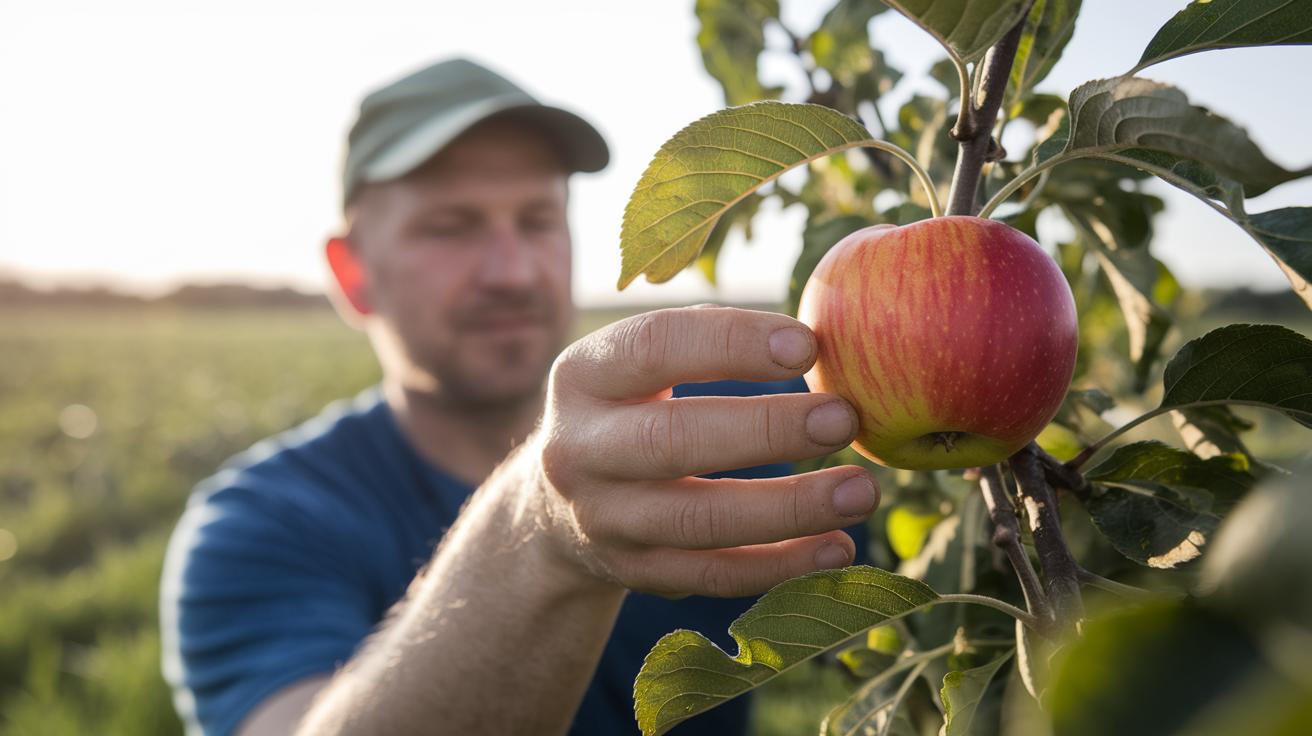
Choosing non-GMO foods means you pick products grown without harsh chemical fertilizers or toxic pesticides. This natural way of farming uses traditional breeding that keeps the food's full nutrition intact. Often, non-GMO crops pack more nutrients because they thrive in rich, organic soils. Think of biting into a crisp apple full of vitamins and flavor, grown the old-fashioned way that modern methods just can't match. Plus, these foods may cause fewer allergies since they steer clear of adding unfamiliar proteins.
Non-GMO farming also benefits our surroundings. Crops grown naturally help keep the soil fertile, reducing erosion and keeping farmlands healthy. This method supports biodiversity by growing many traditional crop types that local ecosystems need. By choosing non-GMO products, you enjoy wholesome, nutrient-dense food and back farming practices that protect our soil and local plants. It's a win for both your health and the environment.
Identifying Certified Non-GMO Food Products Through Labels and Standards
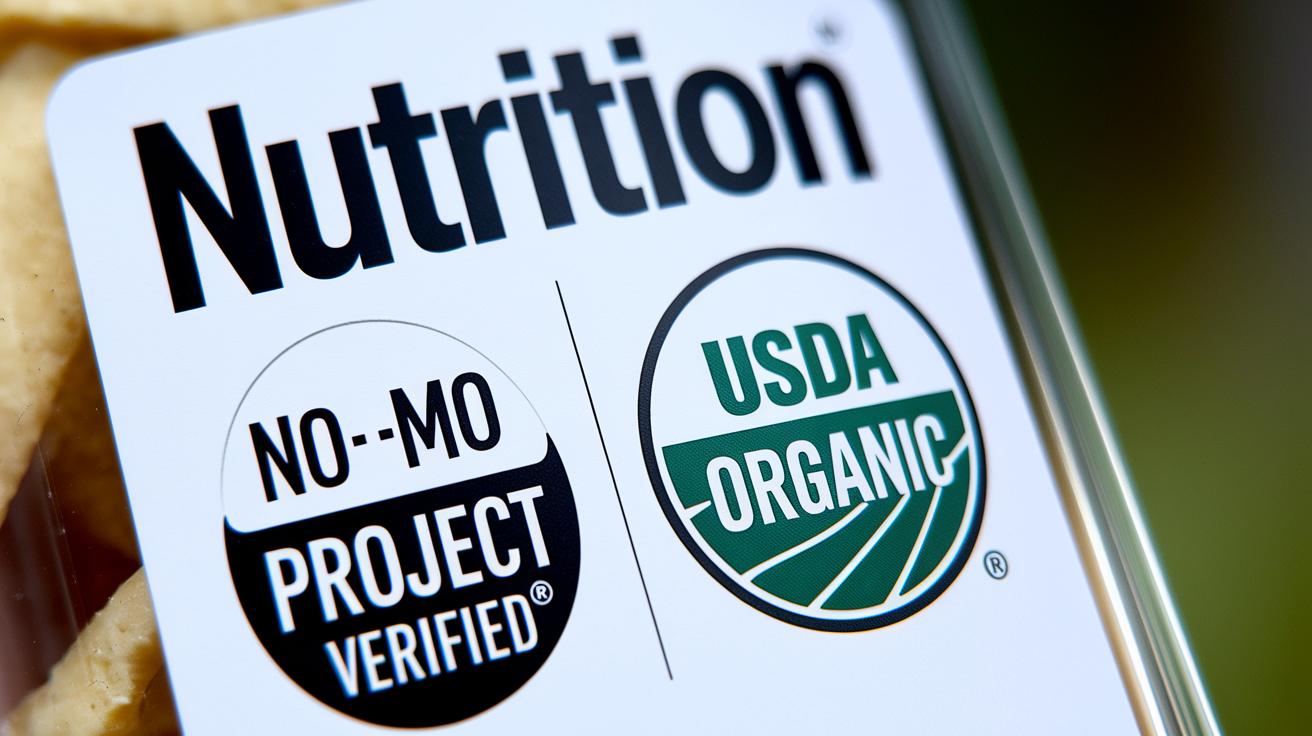
Non-GMO Project Verified
The Non-GMO Project seal means the food has passed strict tests for genetic changes. It only checks for gene modifications, not pesticide use. Look for this seal to be sure the product was thoroughly checked for genetic purity.
USDA Organic and Other Seals
The USDA Organic mark shows the food was grown without synthetic pesticides and herbicides while meeting non-GMO standards. Many products also carry seals for vegan, gluten-free, or other claims. Each mark gives you a clear signal about different aspects of the product’s quality and sourcing.
Label Transparency and Regulatory Timeline
A law passed in 2016 pushed for clearer GMO labeling, but the USDA didn’t roll out new standards until 2022. This delay left some gaps in consumer understanding. Since then, more seals have been introduced to improve transparency and offer a deeper look at how products are sourced.
Top High-Risk Crops and Recommended Non-GMO Purchase Tips
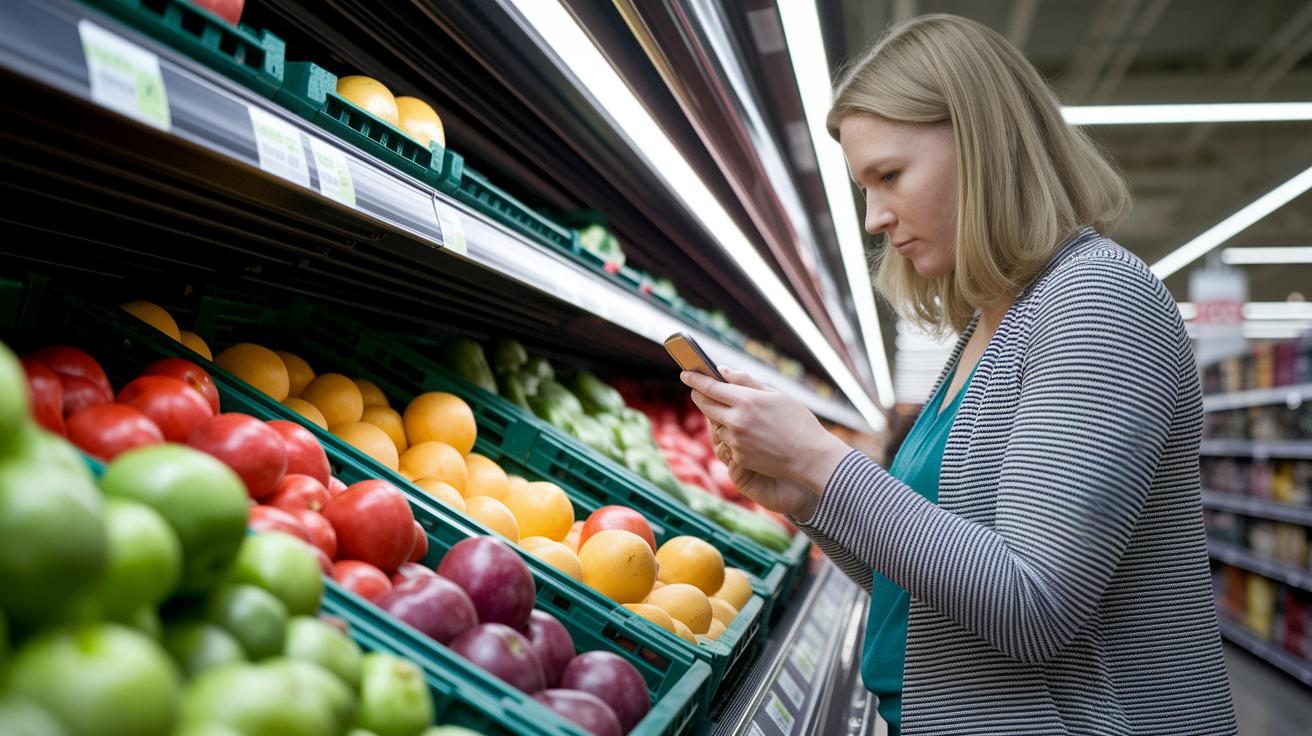
Many common crops run a higher risk of coming with altered genes. Grocery stores often offer items like alfalfa, canola, and corn that may not meet true non-GMO standards unless they are certified. Always check labels and look for proper certifications to be sure you pick foods grown with natural methods. Clear labeling helps you know if a crop has been changed or not.
Using certified non-GMO products gives you a trusted way to stick with natural breeding practices. Following these simple tips can help you build a true non-GMO selection every time you shop.
| High-Risk Crop | Non-GMO Purchase Tip |
|---|---|
| Alfalfa | Look for the Non-GMO Project seal before buying. |
| Canola | Review product labels to confirm gene exemption. |
| Corn | Choose whole kernels or certified non-GMO corn products. |
| Cotton | Select items that detail non-modified cotton sourcing. |
| Papaya | Opt for fresh produce carrying strict non-GMO marks. |
| Potato | Pick potato products with proven non-GMO labels. |
| Soy | Use alternatives that clearly state non-GMO testing. |
| Sugar Beet | Check ingredient lists for verified gene-free claims. |
| Zucchini | Support growers who maintain strict non-GMO practices. |
Keep these tips in mind as you shop in the produce aisle. Look at certification marks on the packaging and read reviews from trusted sources. Clear labels help you fill your pantry with natural, non-GMO ingredients you can trust.
Market Insights and Trends in Non-GMO Food Products
Consumer data shows that non-GMO foods are winning favor as a cheaper choice compared to organic items. Many shoppers trust non-GMO labels because they indicate food grown with natural breeding methods that keep nutrients intact without a higher cost. This shift to gene-free diets and naturally grown produce is reshaping our grocery bags.
Retail reports note a clear trend toward cleaner produce. New farming methods like vertical farming and hydroponics are boosting the supply of fresh, non-GMO foods while reducing the impact on the environment. This change fits well with the push for food sustainability. You can read more about it in this report here.
Regional differences also stand out. In several European countries, strict labeling rules and GMO bans make non-GMO claims very important. Meanwhile, in North America, where GMO crops are common, non-GMO labels serve as a sign of transparency and trust. Updated grocery trends confirm that as the demand for naturally grown produce rises, the future for non-GMO food products remains bright.
Practical Tips for Safe Non-GMO Grocery Shopping

When you shop for non-GMO foods, look for clear, trusted signs like certification marks and easy-to-read labels. This set of tips covers both everyday grocery choices and high-risk crops to keep your shopping list safe and simple.
- Look for reliable marks like the Non-GMO Project seal.
- Read ingredient lists to catch any hidden additives.
- Choose whole, unprocessed foods instead of items that are highly processed.
- Check that high-risk crops such as corn, soy, and potato meet non-GMO standards.
- Use trustworthy mobile apps to verify product claims.
- Look for an organic seal when you want extra confidence in production practices.
- Compare labels to avoid unexpected additives.
- Shop at stores that clearly mark natural and non-GMO options.
- Ask in-store experts about a product’s certification if you have any doubts.
- Use updated consumer guides to help you find safe, natural products.
Myth Busting and Scientific Insights on Non-GMO Food Products

Non-GMO labels mean a product does not contain engineered genes. They do not guarantee that the food is free from pesticides or grown organically. For example, non-GMO produce might still be treated with chemicals to fight pests.
Recent studies show that traditional breeding methods can help crops keep their vitamins and minerals. Even with a non-GMO label, some crops may still have pesticide residues. This raises questions about the idea that non-GMO always means chemical-free.
Researchers are now looking into how conventional breeding affects nutrient levels and even slight changes in allergenic compounds (substances that can trigger allergies). They hope this new research will give us a better view of food quality beyond standard non-GMO claims.
| Key Point | Clarification |
|---|---|
| Label focus | Means no engineered genes |
| Chemical treatments | Non-GMO produce can still use pesticides |
| Nutrient retention | Traditional methods help keep vitamins and minerals |
Final Words
In the action, this post guides you through the ins and outs of non gmo food products. It covered clear definitions, key certifications like the Non-GMO Project seal, and how organic labels compare. You also got valuable insights into health, environmental perks, market trends, and a handy checklist of shopping tips. Each piece helps you make fast, informed choices for sourcing safer ingredients. Embrace these insights to boost quality, trust, and a brighter future for your operations.
FAQ
Non GMO food products list
The non-GMO food products list refers to items free from gene modification, often including produce, dairy, and snacks that meet certification standards like Non-GMO Project Verified or USDA Organic.
Best non GMO food products
The best non-GMO food products are those that carry trusted certificates, such as Non-GMO Project Verified, ensuring they are made without genetically modified ingredients for a cleaner consumption option.
Non GMO food brands
The non-GMO food brands are companies that commit to avoiding genetically altered ingredients, clearly marking their products with certification labels to reassure consumers of natural production methods.
Non GMO foods List pdf
The non-GMO foods list PDF is a downloadable guide compiling certified non-GMO items, providing a quick reference for shoppers and professionals seeking products made without genetic modification.
List of Non GMO Foods at Walmart
The list of non-GMO foods at Walmart details products on the shelves that have been certified as non-GMO, making it easier for shoppers to find items free from genetically modified ingredients.
Non GMO products meaning
The term non-GMO products means items produced without genetically modified organisms, ensuring that the ingredients come from traditional breeding methods instead of gene modification processes.
Non GMO fruits and vegetables list
The non-GMO fruits and vegetables list features produce verified as free from genetic modifications, offering consumers naturally grown options often certified by trusted bodies like Non-GMO Project.
What foods are non-GMO?
The foods that are non-GMO include produce, dairy, meat, and packaged goods made without genetic alterations, usually identified by reliable certification labels that guarantee they contain no GMOs.
What is a non-GMO product?
The non-GMO product is defined as a food item made without the use of genetically modified ingredients, often verified by certification bodies to ensure a purely natural formulation.
Which food in the US is over 90% GMO?
The food in the US that is over 90% GMO typically refers to corn-based ingredients, as most corn used in processed foods comes from genetically modified crops in the country.
How to shop for non-GMO foods?
The approach to shop for non-GMO foods involves checking for recognized certifications like Non-GMO Project Verified or USDA Organic, carefully reading labels, and using guides to identify products made without genetic modification.