

Many meat lovers are trying plant-based options. The U.S. market for these meats is expected to reach nearly $15 billion by 2025, showing fast shifts in what people eat. Recent numbers reveal that almost every meat eater is testing these products. Many younger diners even ask for plant-based picks when they hit fast-food spots. This trend is shaking up kitchens everywhere, from family homes to big retail stores. Plant-based choices are sparking new recipes that are tasty, healthier, and kinder to the planet.
plant-based food trends Spark Culinary Innovation
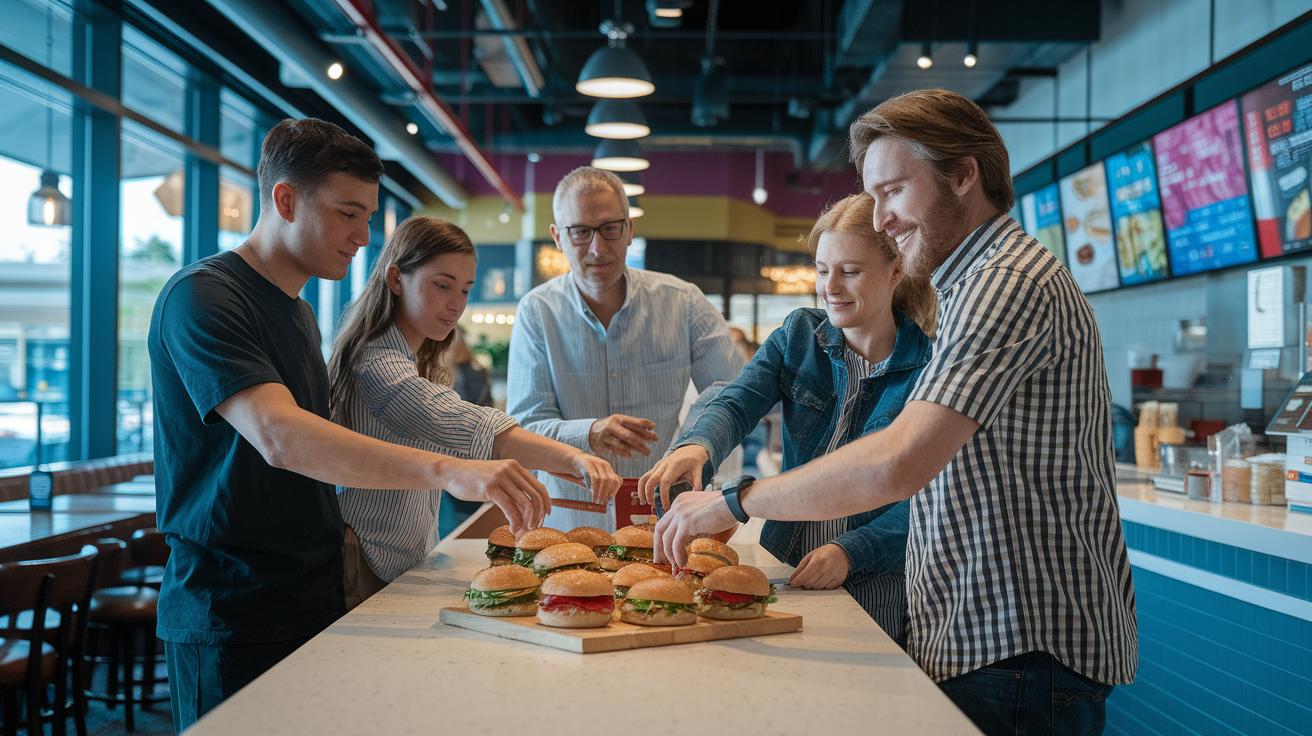
The U.S. plant-based meat market is set to hit nearly $15 billion by 2025. New data shows that 98% of buyers are meat eaters, not just vegetarians. This means many people want alternatives that still satisfy their meat cravings while offering health and sustainability benefits.
More than half of people aged 18 to 35 eat plant-based meat at least once a month. About 42% of fast-food diners believe every quick-service restaurant should offer these options. This trend spans busy young professionals to families, with small kitchens and big retailers all joining in.
| Metric | Value | Year |
|---|---|---|
| Market size | Nearly $15 billion | 2025 |
| Meat eater adoption | 98% | Current |
| Monthly consumption (18-35) | 50% | Current |
| Quick-service expectations | 42% | Current |
Key drivers include health concerns, environmental care, and rising meat prices. Consumers are turning to plant-based choices to dodge the risks linked to traditional meat and lower their carbon footprint. Better taste, improved nutrition, and shifting prices are fueling culinary innovation in kitchens everywhere.
Technological Innovations Spurring Plant-based Food Trends

Leading companies like NotCo and Climax Foods now use AI algorithms to copy the flavors and textures of meat. Their smart systems scan countless recipes and flavor profiles to craft plant-based foods that closely mimic real meat. In the old days, replicating meat textures meant months of trial and error. Now, it happens in just weeks. This tech jump is changing how ingredients come together to please both meat lovers and vegetarians.
Clean-label trends are also shaking up product creation. Buyers want plant-based items free from fillers. As a result, companies are slimming down their ingredient lists. They focus on natural, simple components that boost flavor without extra additives. This clean label push has companies investing in research to trim additives while keeping the taste and texture consumers expect.
These breakthroughs point to a faster, smarter future in research and development. Data-driven methods and simpler ingredient strategies speed up new product launches. This progress meets current consumer needs and paves the way for even more exciting plant-based options. The mix of AI and clean-label practices promises a fresh wave of alternatives that deliver great taste, clear transparency, and sustainable production.
Alternative Protein Solutions Shaping Plant-based Food Trends
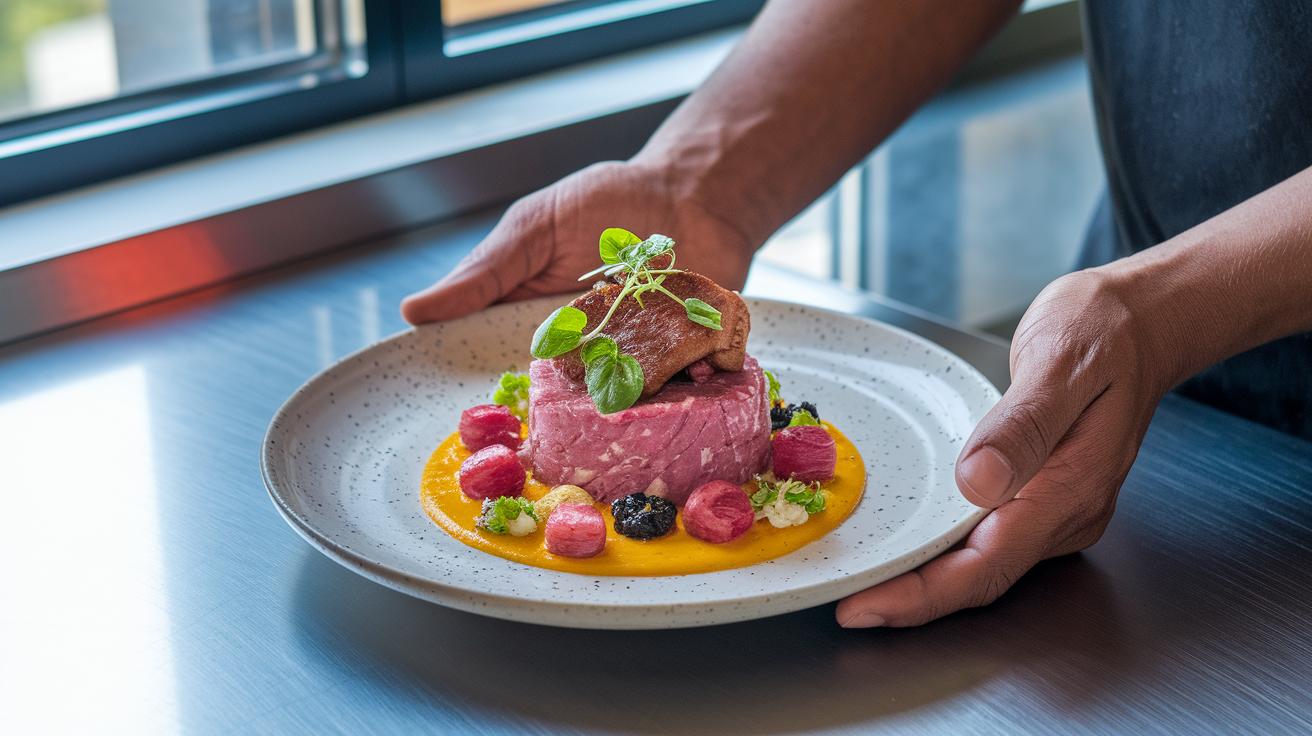
Since 2025, innovators have blended plant ingredients with meat to create a brand-new food category. These mixes are not half-measures. They’re built to capture the best of both worlds. Chefs and food makers now serve dishes with richer taste and better texture, pleasing fans of both traditional meat and plant-based meals. Picture savoring the hearty flavor of meat while enjoying the planet-friendly perks of a plant recipe.
Scientific methods like precision fermentation (using microbes to produce protein) and fungal proteins are making their mark. These practices cut down on greenhouse gases and deliver a texture that feels a lot like animal meat. By speeding up production and refining flavors, companies give us a satisfying and sustainable alternative. It’s like perfecting a recipe with fewer ingredients and a cleaner label that works as a win-win.
Local ingredients are also helping plant-based dishes hit home with local tastes. Food creators blend regional produce and traditional flavors to make meals that echo local customs. Using ingredients grown nearby not only taps into community pride but also links global trends with local favorites. This approach makes every dish a little story about where it comes from.
Consumer Behavior and Nutritional Insights in Plant-based Food Trends

Plant-based options are winning many fans. Recent reports show that even meat lovers try these alternatives once a month. For example, African Americans choose plant-based products at double the rate of white Americans. This trend matters because shoppers now want foods that boost health and protect the environment while still offering a good protein punch.
Different age groups drive plant-based trends in unique ways. Younger eaters lean toward these choices for environmental reasons, believing they help cut down on carbon emissions. Meanwhile, older consumers are attracted by potential health benefits like lower cholesterol and reduced risks linked to traditional meat.
Nutrition is at the heart of many buying decisions. People pay close attention to protein and fiber levels when shopping for plant-based foods. Whether you need energy, want to maintain muscle, or look to improve digestion, these options deliver on both taste and wellness.
Environmental and health impacts of plant-based food trends
Plant-based foods are trending as a way to boost health and ease the strain on our planet. They not only help our well-being but also reduce environmental stress.
Rising meat prices are nudging more people toward cost-effective, plant-based diets. In response, food makers are focusing on clear sourcing and ethical production. This means you get honest information about where your food comes from and how it is made.
When companies include clear labels, for example, saying "Our pea protein is grown without synthetic chemicals", they build trust. Such transparency helps consumers know that these products meet high ethical standards, paving the way for more climate-smart choices.
Retail and Foodservice Adoption of Plant-based Food Trends
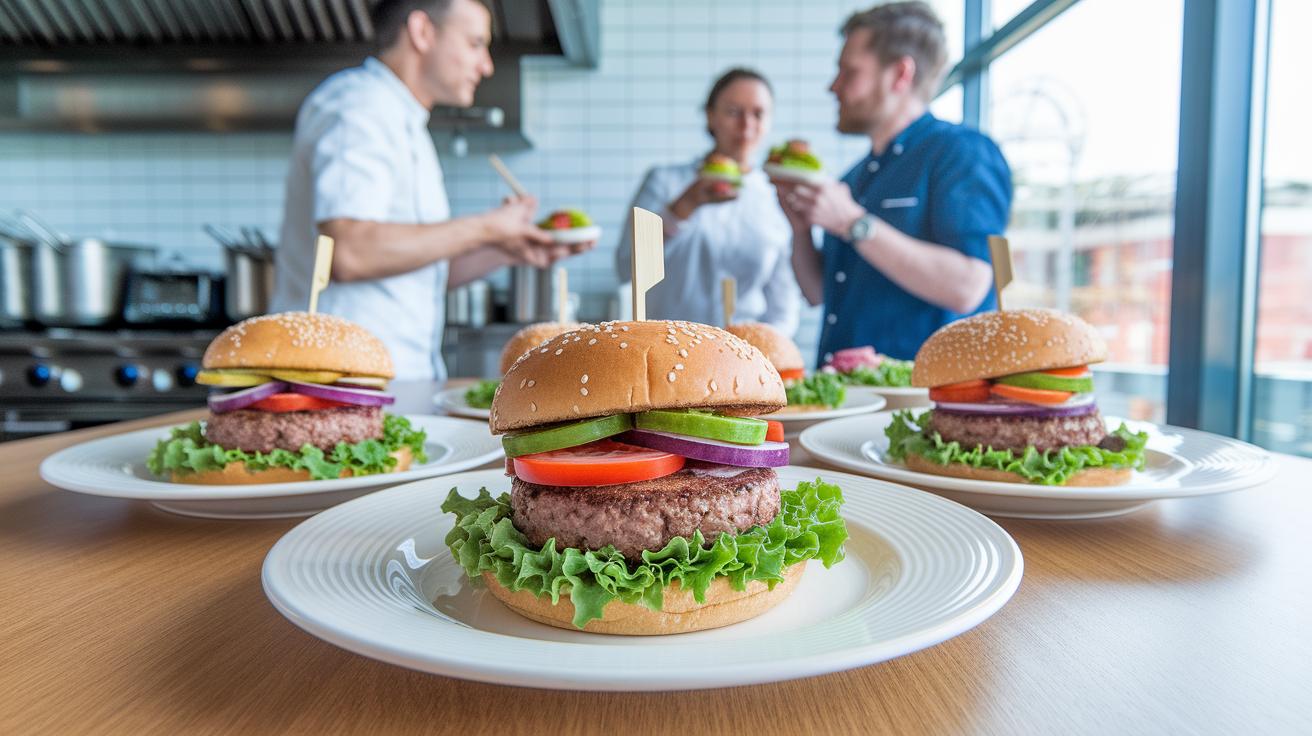
Menus are getting greener as plant-based options now account for 10-15% of many foodservice menus. Restaurants report that creative, plant-based dishes drive repeat visits and lift check averages. These eateries adjust quickly to meet the demand for healthier and more sustainable meals that still offer familiar tastes and clean ingredients. This steady growth makes it clear that plant-based trends are here for the long haul.
Fast-food chains are leading the way by making plant-based choices a central part of their menus. McDonald's McPlant and Burger King's Impossible Whopper are now key items, not just side experiments. At the same time, grocery stores are expanding their plant-based lines to keep up with rising customer demand. This change is often noted in discussions about grocery trends (https://matpple.com?p=242) and bridges the gap between fast food and everyday shopping.
The market is fueled by rapid product launches and a keen focus on what consumers enjoy. Speed is vital as companies quickly embrace new flavor trends and cleaner ingredients. By staying nimble, both restaurants and retailers are paving the way for future growth in vegan lifestyles. Their fast moves meet today's needs and set the stage for tomorrow's dining trends.
Final Words
In the action, we broke down market growth, tech innovations, and shifting consumer behaviors that are shaking up plant-based food trends. Small-to-midsize restaurants are seeing changes across menus, costs, and sourcing strategies.
We also covered the rising influence of alternative proteins and clean-label demands that boost smart, new offerings. Each insight points to fresh opportunities for innovation and business progress.
Plant-based food trends are paving the way for competitive, forward-thinking restaurant operations.
FAQ
What are the plant-based food trends for 2025?
The plant-based food trends for 2025 point to robust market expansion and innovative product development. Expect more plant alternative options in mainstream restaurants and supermarkets driven by consumer health and environmental concerns.
What were the plant-based food trends in 2022?
The plant-based food trends in 2022 showed steady growth with increased market penetration. Consumers embraced new products, raising awareness that later spurred even greater innovation in plant-based offerings.
What is the global plant-based food market size?
The global plant-based food market size continues to expand as demand rises worldwide. With increasing acceptance among consumers, the market sees a mix of traditional meat-eaters and dedicated plant-based customers.
How is the plant-based market growing?
The plant-based market is growing rapidly as more consumers adopt these products. Increased restaurant menus and retail availability contribute to steady sales growth, driven by both health benefits and environmental considerations.
What were the plant-based food trends in 2021?
The plant-based food trends in 2021 focused on broadening product choices and boosting consumer interest. Innovations during that year laid the groundwork for the ongoing market evolution seen in later years.
What were the plant-based food trends in 2020?
The plant-based food trends in 2020 gained traction amid higher health awareness and environmental shifts. New product launches and wider consumer curiosity helped plant-based options secure a larger share of the food market.
What do plant-based food statistics reveal?
The plant-based food statistics reveal a clear upward trend with growing consumer use among various demographics, including meat-eaters. This data underlines market expansion and increasing product diversity across foodservice and retail.
How would you describe the plant-based food industry?
The plant-based food industry is a fast-growing sector marked by innovative products and expanding consumer demand. Major chains and retailers now offer diverse plant options, addressing both taste and ethical considerations.
Why did Miley Cyrus quit veganism?
The reason Miley Cyrus quit veganism relates to personal dietary choices that evolved over time. Her decision reflected a shift toward a diet that better suited her lifestyle, rather than broader industry trends.
What is the future of plant-based foods?
The future of plant-based foods looks positive, with ongoing advances in food technology and increased demand among diverse consumers. This progress is set to boost product quality and broaden market reach significantly.
What is the plant-based food trend in 2025?
The plant-based food trend in 2025 is expected to feature even greater market penetration, higher product innovation, and integration into everyday dining. This will be driven by continued consumer interest in healthy, sustainable options.
Why are plant-based diets trending?
The reason plant-based diets are trending is the growing focus on health, environmental stewardship, and ethical eating. These factors push consumers to choose plant alternatives, appealing to both dedicated vegetarians and flexible meat-eaters.