

Can today's food scene keep up with change? Global events like Covid-19, the war in Ukraine, and extreme weather have pushed food companies to rethink old methods. Now, businesses use digital tools to run fast safety checks and streamline ordering systems. With more than 21,000 processing facilities in the U.S., chefs are also switching to local, healthier ingredients. These shifts are changing our plates and our lives. Read on to see how technology and smart food choices are making a big impact.
Key drivers shaping food industry trends today

In 2023, major events like the war in Ukraine, extreme weather, and the ongoing effects of Covid-19 have forced a shift in global food supply chains. Companies had to quickly rethink their operations as delays and rising costs made old methods unreliable. By July 2025, there are over 21,000 food processing companies in the U.S., a sign of the industry's need to adapt fast.
Key vendors are now offering digital tools for food compliance, safety inspections, and quality management. These solutions help businesses keep up with changing rules and market pressures while ensuring smooth operations. Digital ordering and data-focused decision-making let companies adjust quickly and track their supply chains closely. Check out grocery trends for a clear example of how shifting consumer habits are sparking new supply chain ideas.
At the same time, chefs and food operators are exploring fresh approaches to meet changing tastes. With more people choosing healthier, locally sourced options, food companies are investing in agile production methods. Experts say that the most successful businesses are those that blend the latest technology with strong safety measures while staying flexible amid regulatory and environmental changes. Together, these factors are reshaping the way food is produced, distributed, and enjoyed.
Sustainability and Ethical Sourcing in Food Industry Trends

New EU rules on deforestation in 2024 have pushed food companies to embrace eco-friendly packaging made from biodegradable and renewable materials. This shift cuts down on waste and lightens companies' impacts on the environment. It also ties ethical sourcing directly to what consumers expect when they dine out.
Restaurants and retailers are trying out projects that recycle materials and save resources. These efforts help create a cleaner, more accountable cycle in production. Many are also changing how they buy ingredients, using new guidelines that promote sustainability from the source right to your table.
Research backs this trend. About 59% of older shoppers and 45% of younger ones prefer locally sourced food. By focusing on local and responsibly picked ingredients, food businesses can meet customer expectations, reduce waste, and protect the planet.
Technology Integration and Digital Ordering Trends in the Food Industry
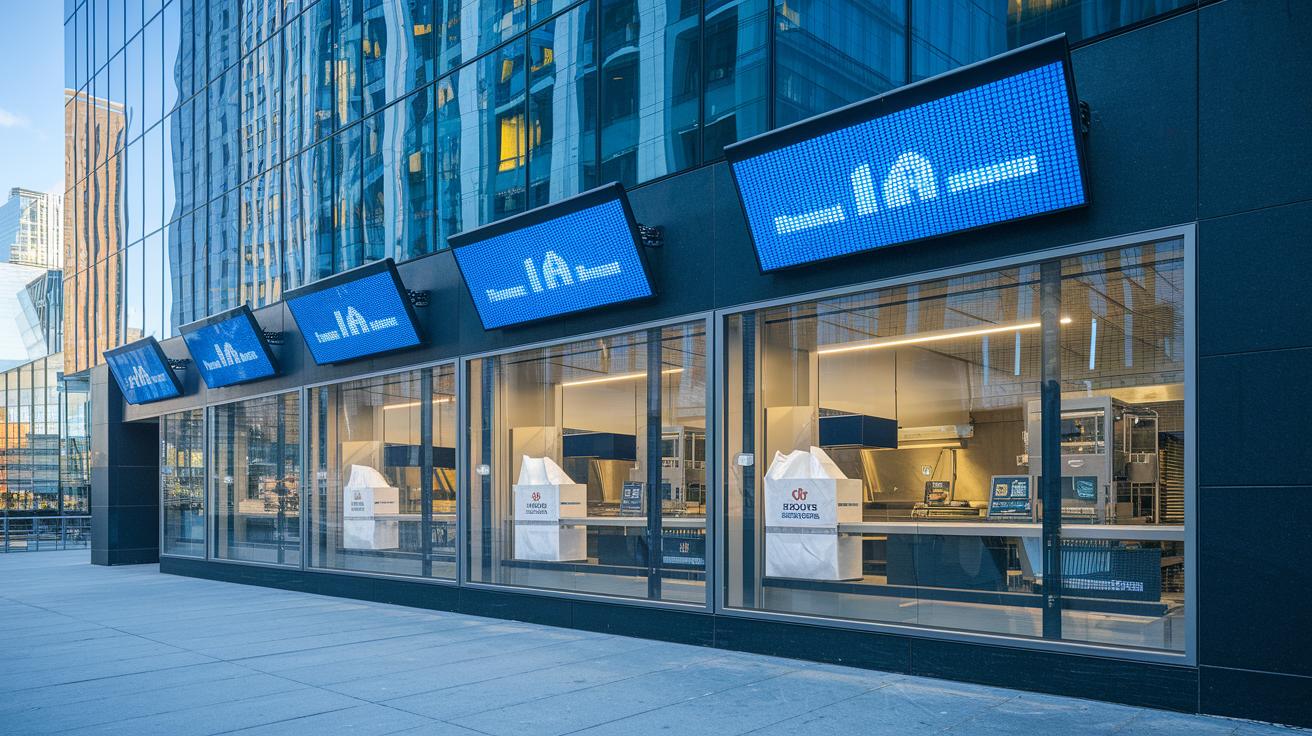
Digital ordering and agtech are changing the food industry. AI now helps predict fruit yields and guides crop decisions to boost output. New tools like automated allergen checks and contactless payment systems speed up service and keep food safe. For example, an allergen scanning system can quickly flag a mixed ingredient, giving chefs and diners peace of mind.
Ghost kitchens that serve only delivery orders are shaking up old dining models. Cloud kitchens focused on online orders help lower costs and speed up service. Mobile meal platforms are also growing fast in big cities because ordering has become as simple as a tap.
Agtech now touches everything from sensor-powered irrigation to digital supply-chain management. These developments cut waste and reduce costs at every step in the food chain.
New tech tools give food businesses more speed, reliability, and happier customers. Digital ordering makes dining quick and human-centered, blending modern data with everyday convenience. By adopting these agile systems, companies can run smoother and meet rising customer expectations.
Consumer Behavior Shifts and Health-Centric Trends in the Food Industry
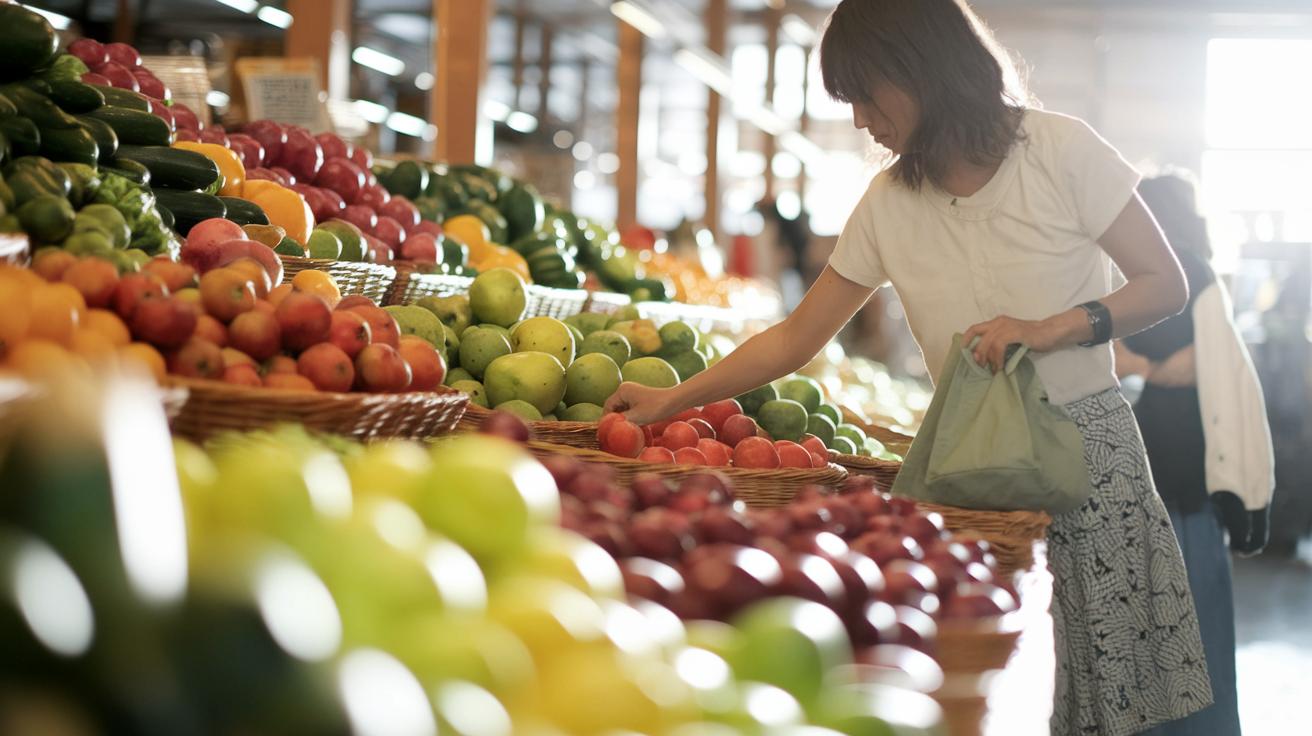
Consumers are changing the way they shop for food. They now seek better health and quality in every bite. Studies show about 1 in 7 adults eats too many ultra-processed foods, which can raise risks for diseases such as cancer and dementia. More people now choose nutrient-rich foods that boost overall wellness. The idea of food as medicine is growing, and shoppers are willing to pay more when food offers both great taste and real health benefits.
Health worries and new lifestyles are also pushing buyers toward pantry staples that last longer. One report reveals that about 1 in 3 shoppers favors products with long shelf lives, helping them cut down on frequent trips to the store and reduce food waste. Meanwhile, roughly 81% of consumers are cooking at home more often, giving families control over what goes into their meals and tailoring nutrition to their needs.
Key trends include a rise in food-as-medicine choices, less reliance on ultra-processed foods, more home cooking, greater demand for durable pantry items, and a sharper focus on allergen control and clean labels.
These shifts point to a broader move toward wellness and personalized diets. Companies that offer clear labels and health-focused options will likely build stronger customer loyalty and see better market results.
Future Forecasts for Food Industry Trends: Plant-Based Revolution and Alternative Proteins
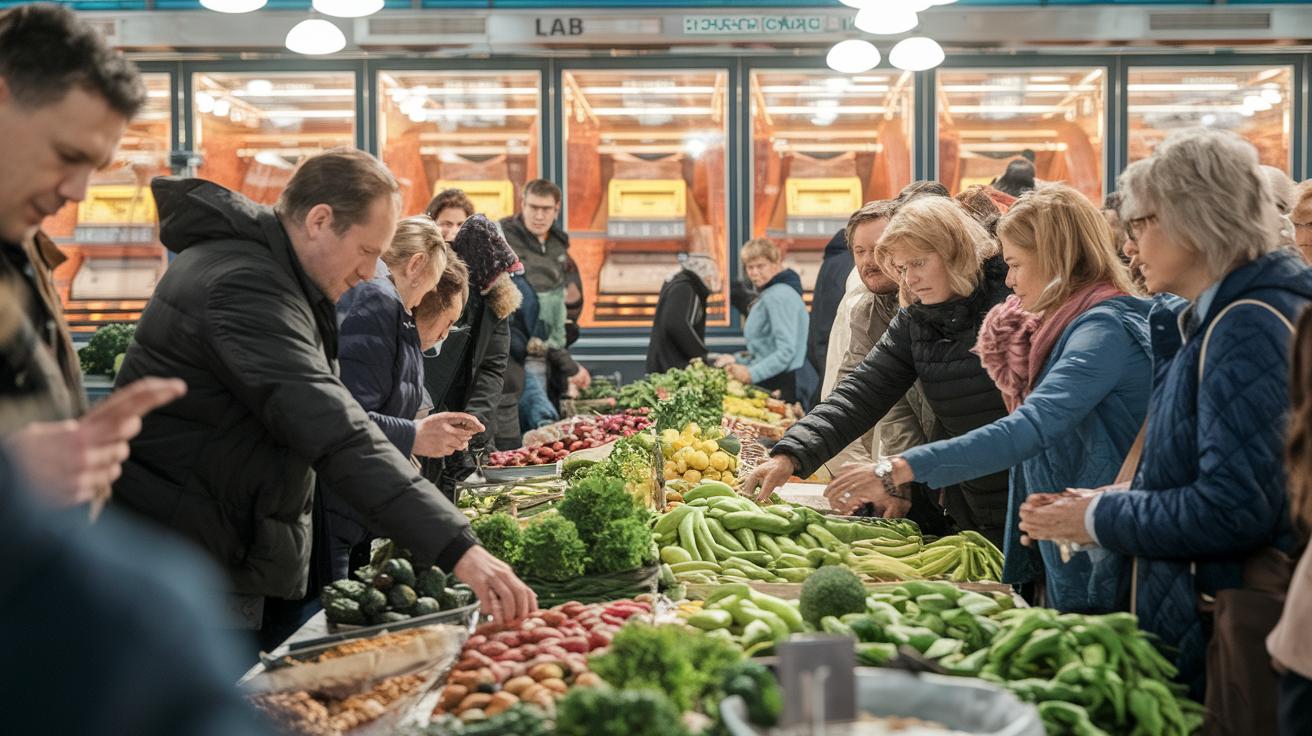
Plant-based foods are growing fast. Experts say the market could hit $77.9 billion by 2025 and reach $162 billion by 2030. Many people now see plant-based options as a regular part of their meals, not just a passing trend.
Investment in lab-grown meat is also on the rise. Analysts predict this market will hit $1.99 billion by 2035. Companies are spending money on both plant-based and lab-grown meats to offer new tastes and lower prices.
This change is driven by smart science and real consumer needs. People value longer shelf lives and more nutrients. One startup explains, "Our lab-grown meat mimics the texture of traditional meat while lowering production costs."
Chefs are also getting creative with fusion cuisine. They mix plant proteins with classic ingredients to create new flavors while keeping home-cooked traditions alive. Research now shapes menus and product lines, ensuring that both plant-based and alternative protein trends stick around for the long haul.
Final Words
In the action, the post mapped out how global issues, sustainability efforts, smart tech, and evolving consumer choices are reshaping the food industry. It highlighted market shifts like digital ordering and plant-based growth, while also tracking nutrition trends and safety updates. It offered a clear look at shifting consumer preferences, from nutrient-rich meals to at-home cooking. These insights into food industry trends help restaurant operators stay ahead, adapt quickly, and make well-informed moves for growth. Every change signals opportunity and a bright future ahead.
FAQ
Q: What is a food industry trends PDF?
A: The food industry trends PDF is a report that outlines market insights. It details data on tech, sustainability, and shifting consumer behaviors in the food sector.
Q: What are the food industry trends for 2025?
A: The food industry trends for 2025 show digital ordering growth, sustainable sourcing practices, tech adoption in production, and a shift toward health-focused menus.
Q: What are the 10 current trends in the food and beverage industry?
A: The 10 current trends in food and beverage include digital ordering, sustainable practices, health-driven menus, rising plant-based options, local sourcing, optimized supply chains, allergen management, waste reduction, cloud kitchens, and shifting consumer habits.
Q: What is the global food trend for 2025?
A: The global food trend for 2025 emphasizes sustainable packaging, digital solutions, plant-based alternatives, and ethical sourcing to meet changing consumer demands worldwide.
Q: What were the food industry trends in 2021?
A: The food industry trends in 2021 focused on digital shifts and supply chain adjustments. They set the stage for online ordering expansion and increased emphasis on operational resilience.
Q: What food trends are expected for 2026?
A: The food trends for 2026 foresee rapid digital ordering, further adoption of lab-grown and plant-based proteins, innovations in sustainable packaging, and a stronger move toward clean-label, nutrient-rich offerings.
Q: What are the emerging and current trends in the food industry?
A: The emerging and current trends in the food industry combine technology integration, sustainability initiatives, personalized nutrition, ethical sourcing, and growing interest in alternative proteins to address consumer needs.