

Have you ever wondered how new tech keeps your food safe? Food processing is booming, powered by smart trends and modern methods. Companies now turn raw rice, fruits, and vegetables into everyday staples with quick and careful steps. In India, the industry could grow by 15.2% by 2025, and over 21,000 U.S. companies work every day to secure our meals. These innovations boost efficiency while meeting strict food safety rules. They change how food travels from the farm to your table, making your meals safer and more reliable.
Comprehensive Overview of the Food Processing Industry
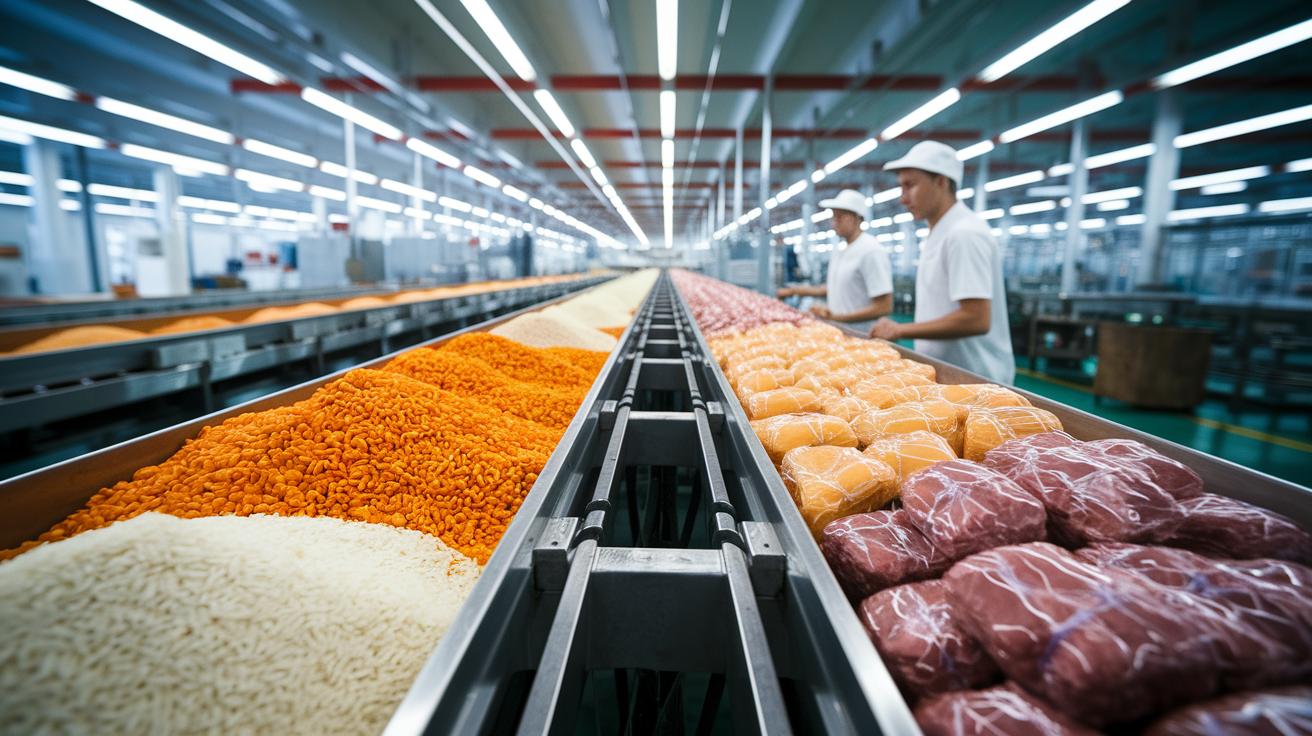
Food processing changes raw items like rice, fruits, vegetables, and meat into ingredients or ready-to-eat products. Simple methods such as drying, fermenting, roasting, steaming, and baking are used to either keep natural flavors or create consistent, finished goods. This clear split shows the journey from basic food to products on your shelf.
The industry is on the rise. In India, experts predict that food processing will grow 15.2% annually by 2025. Over 21,000 companies were operating in the United States as of July 2025. For instance, sugarcane must be handled within 24 to 48 hours after harvest to avoid losing sucrose, while dairy goes straight to pasteurization right after milking to keep it safe and fresh. These quick moves show why speedy processing matters for meeting consumer demand and export standards.
| Subindustry | Key Products |
|---|---|
| Meat products | Sausages, deli cuts |
| Dairy | Milk, cheese, yogurt |
| Preserved fruits | Canned fruits, jams |
| Grains | Rice, wheat products |
| Bakery | Bread, pastries |
| Beverages | Juices, sodas |
| Healthful oils | Olive oil, canola oil |
Home and global trends blend as consumers push for fresher and safer foods while markets around the world look to scale processing methods and follow strict export rules. With investments in better technology and international trade opening new doors, food processing continues to evolve. The focus stays on quality, steady production, and smart resource use, ensuring that what hits your table is both safe and satisfying.
Food processing industry Thrives with Smart Trends

Food makers are embracing smart equipment that speeds up production and keeps food quality high. Operators now use modern tools like pasteurizers, sterilizers, and quick-freezing systems that help meet busy schedules and lower costs.
Advanced machines are reworking how food is made. Systems for Ready-to-Eat, Ready-to-Heat, and Ready-to-Serve products now come with blending tools, grain handlers, vertical loaders, and inventive cooking kettles. Automation takes on tasks that used to be done by hand, cutting down on mistakes and easing labor issues. New packaging tech also keeps food fresh during storage and transport.
Robots and smart sensors boost precision on the production line. Robots handle assembly with exactness, and sensors keep an eye on performance and surroundings with real-time updates. Smart systems speed up work while ensuring the same high quality, which is key when every minute matters.
Digital tools like unified software platforms and live dashboards help operators stay alert. With remote monitoring and environmental apps, they can check on equipment health and avoid unexpected stoppages. These modern tactics make production smarter, ensuring food processors meet strict standards and ever-changing consumer needs.
Regulatory Compliance Standards and Quality Control Measures in the Food Processing Industry
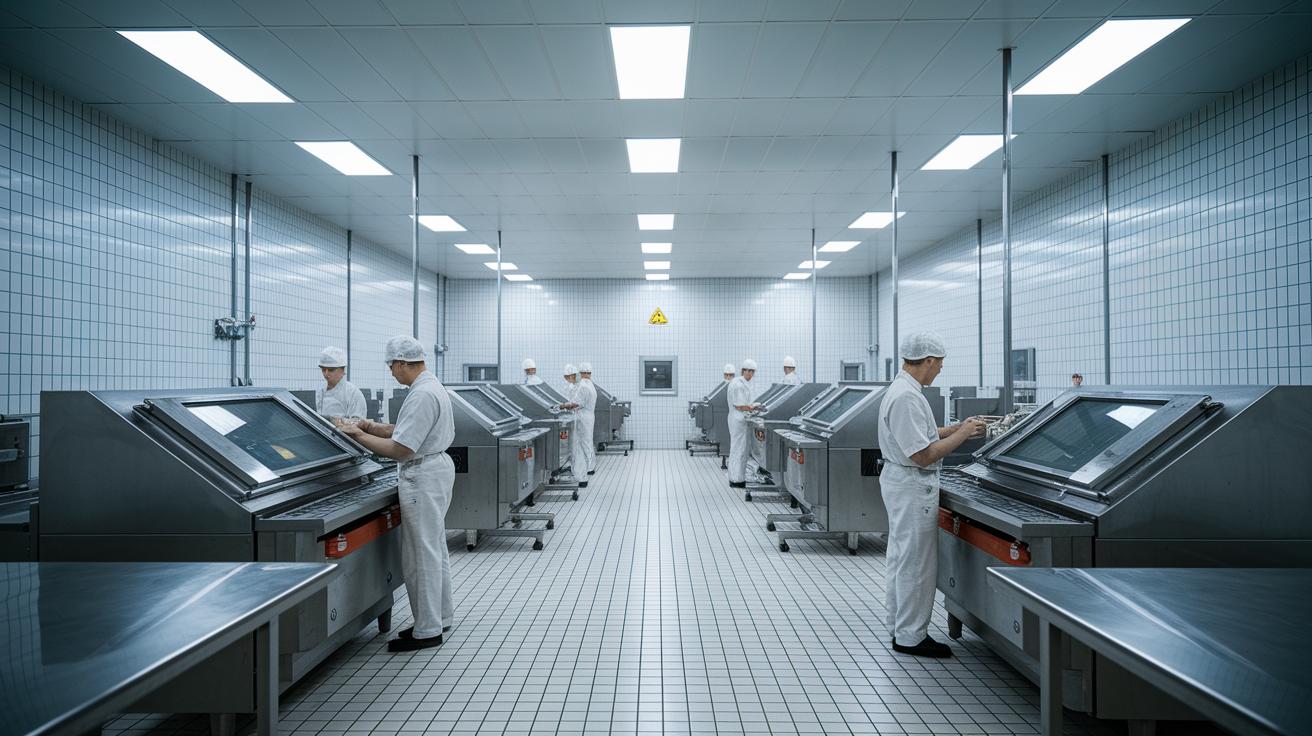
Food processors put safety and quality at the top of their list. They follow strict rules and map out key control points to stop foodborne illnesses and protect consumers. Clear standards mean everyone knows the facility is keeping up hygiene and following the rules.
Following these guidelines builds trust with regulators and stakeholders. Regular safety checks and certifications help keep processes on track. Key frameworks in the industry include:
- ISO 22000:2018
- HACCP
- FSMA
- FDA regulations
- GMP
- FSMS
Regular audits and careful risk checks also boost safety. Routine reviews help spot issues before they grow and let operators take steps to stop contaminants from reaching customers. Detailed checklists and ongoing assessments help ensure processes run smoothly and reduce mistakes.
This proactive system not only keeps facilities clean but also meets national and international safety needs. With solid data and clear procedures, food processors can quickly adjust operations based on inspection findings, keeping production safe and dependable in a changing market.
Sustainability and Waste Reduction Strategies in the Food Processing Industry
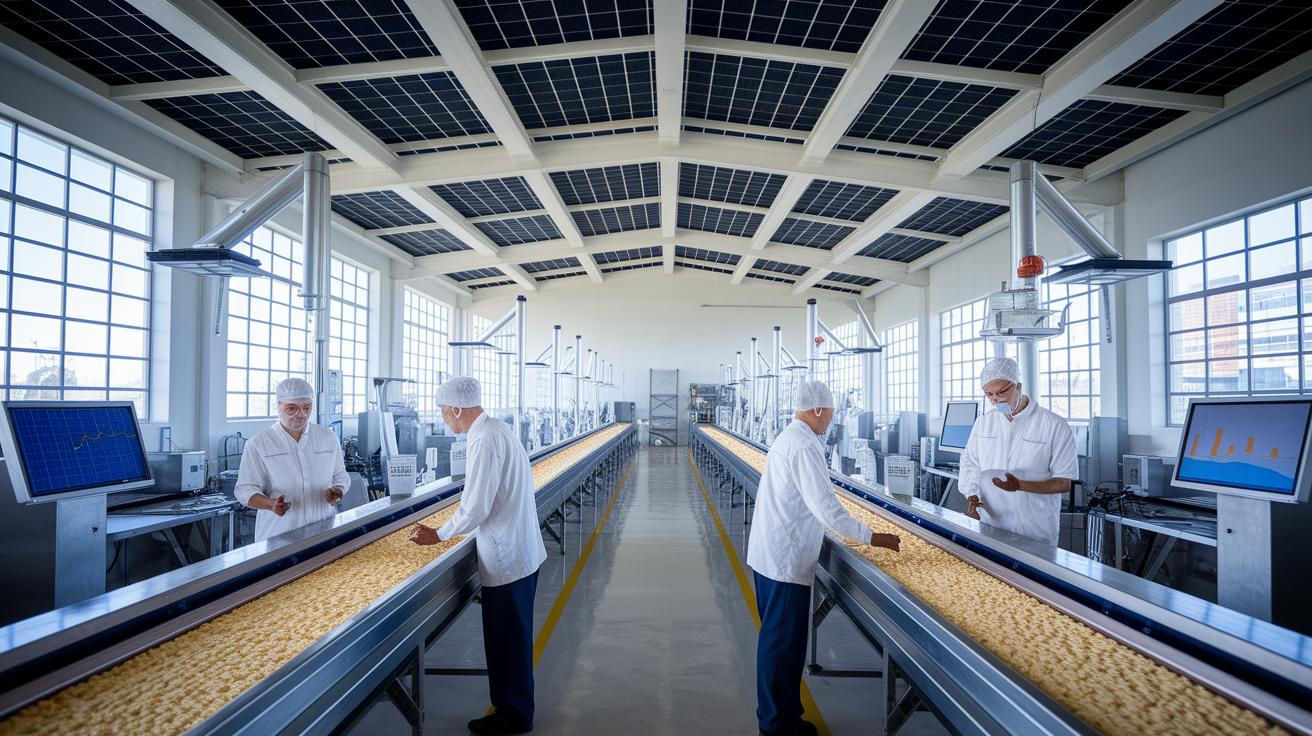
Food processing companies are switching to green methods that help the planet and save money. Government programs like PMKSY, PMFME, and PLISFPI offer cash and advice, letting these companies boost energy efficiency and mix in renewable energy. Many plants now use solar panels and other renewable systems to cut energy bills and ease pressure on traditional power supplies. They also choose ethical sourcing to support local suppliers and communities. All these steps help lower costs while reducing the environmental impact.
At the shop floor level, companies work hard to cut waste. They use food waste reduction plans to limit spoilage and make products last longer. Cold chain setups keep perishable items fresh, and smart energy practices lower power use during key stages. Processors are also leaning toward sustainable sourcing to secure raw materials responsibly. With less waste and better storage, food loss drops significantly. This combined approach not only saves money but also boosts competitiveness in a market that values eco-friendly and efficient operations.
Market Dynamics and Competitive Landscape of the Food Processing Industry

The U.S. market is filled with many subindustries, including meat, dairy, preserved fruits, grains, bakery items, beverages, and healthy oils. Consumers want fresh and sustainable options, while companies tackle challenges like labor shortages and new regulations. Many buyers now use B2B tools that offer detailed company profiles, contact information, and location-based insights. Local production centers and regional supplier networks help companies adjust to changing tastes.
Food processors rely on clear market segments and competitive reviews to shape their strategies. Leaders check performance data to see where they stand and find opportunities to branch out. By using these benchmarking practices, companies fine-tune how they enter markets and explore fresh ways to distribute products. This approach helps them follow rules while meeting the rising demand for sustainable choices. Expanding into various markets lets firms use both global hubs and local centers to streamline operations and stay strong.
Trends at home and abroad often blend in this busy market. Big global hubs offer scale and expose companies to many consumer preferences, while local networks provide quick responses to neighborhood needs. By matching market segments with regional strategies, food processors can tailor products for local tastes while keeping up with broader industry trends. This balance leads to practical, competitive moves that help companies handle ongoing challenges.
Role of ERP Systems in Driving Operational Excellence in the Food Processing Industry

ERP systems help food processors manage everything from buying ingredients to quality checks. They pull together production data so you can track every batch in real time. This makes it simple to follow recipes and check quality at every step, which builds consumer trust and meets safety rules.
Modern platforms link all supply channels. They bring together buying, making, and shipping processes. This unified system lets you see every raw material's journey. Many systems also include tools for predictive maintenance, environmental checks, and customer management so any hiccups get fixed fast.
Designed for nonstop operations, ERP systems drive efficiency. With built-in data analytics and scheduled upkeep, these systems spot problems early. This digital oversight keeps production steady while lowering costs and boosting quality.
Food processors are turning to ERP systems as a smart, CFO-led move to improve farm-to-fork efficiency. The clear digital records and thorough traceability they provide help meet local and regulatory standards while building a strong base for long-term success.
Final Words
In the action, our post covered a full sweep of topics from industry overview and tech innovations to compliance, sustainability, and market dynamics. We broke down key trends, explained new equipment and systems, and highlighted strategic moves that shape daily operations in food processors.
This recap serves as timely guidance for anyone navigating challenges and new opportunities in the food processing industry. Stay informed, adapt quickly, and take confident steps forward.
FAQ
What is the food processing industry?
The food processing industry refers to converting raw products like fruits, vegetables, and meat into finished foods using methods such as drying, fermenting, and baking. It covers a wide range of subindustries.
Can you provide an overview of the food processing industry?
The food processing industry overview explains how raw ingredients are transformed into consumable goods across sectors like dairy, meat, bakery, and beverages, each designed to meet consumer and regulatory demands.
What are examples of the food processing industry?
The food processing industry examples include transforming milk into dairy products, meat into ready-to-eat foods, grains into bakery items, fruits into preserves, and ingredients into packaged beverages.
What are the common types of food processing?
The food processing industry involves various methods. One grouping is three types—primary, secondary, and tertiary—while another breakdown includes canning, freezing, dehydration, fermentation, roasting, baking, and pasteurization.
What are some food processing machines?
The food processing machine spectrum covers devices such as pasteurizers, sterilizers, membrane filtration units, and individual quick freezing machines that enhance production speed and product consistency.
Where can I find food processing industry news and updates?
The food processing industry news is available in trade publications and market reports that highlight advances in technology, regulatory changes, and current trends affecting the sector.
Who are some leading food processing industry companies?
The food processing industry companies include major firms across dairy, meat, bakery, and beverage sectors that drive innovation and define market trends on both a domestic and global scale.
How can I access food processing industry reports and PDFs?
The food processing industry PDF reports provide detailed market size, growth trends, and subindustry segmentation and can be accessed via market research firms, industry associations, and government sources.
What defined the food processing industry in 2022?
The food processing industry 2022 was marked by increased automation, higher safety standards, and a focus on sustainable practices, reflecting changing consumer habits and stricter regulatory requirements.