

Millions of Americans have a hard time finding fresh, affordable food near their homes. In many cities and small towns, families must walk or drive long distances for staples like fruits and vegetables. Around 39 million people live in areas with few food options, making healthy eating more difficult and affecting community well-being. This article explains the challenges of food deserts and how local actions can bring better, more nutritious options to everyone.
Food deserts: Spark Change for Nutritious Access

Food deserts are places where people struggle to get fresh fruits, vegetables, and affordable whole foods. In cities, if you live more than 1 mile from a supermarket, you’re in a food desert. In rural areas, that distance grows to 10 miles. For an area to earn this label, at least 20% of its residents must live at or below the federal poverty level or earn less than 80% of the area's median income.
About 39 million Americans, roughly 13% of the population, live in these low-access neighborhoods. This means many families face daily obstacles when trying to buy healthy food. In 2009, for example, 2.3 million Americans without a car were over 1 mile from the closest supermarket. The issue is not just about distance, it is a signal of a broader challenge that affects community health and well-being.
Take Chicago as an example: in 2006, around 500,000 residents lived in food deserts. In New York, about 750,000 people had limited access to healthy food in 2009. These figures show a tough reality for many communities. Limited access to affordable, nutritious options can lead to unhealthy eating habits and long-term health issues. The mix of geographical isolation and economic constraints calls for urgent action. Communities and decision-makers must work together to create more food access solutions.
Causes of Grocery Access Gaps in Food Deserts

Grocery access in food deserts is limited due to a mix of factors. Low-income areas often see few investments, leaving residents with few sources for healthy foods. This scarcity keeps communities stuck with unhealthy choices and deepens existing inequalities.
The main reasons behind these gaps are:
- Small-store concentration: Many low-income neighborhoods rely on small corner shops and convenience markets that rarely offer fresh produce or healthy staples.
- Supermarket disinvestment: Big supermarket chains tend to pull out of poorer areas and focus on suburban or wealthier markets where profits are higher.
- Transport barriers: Unreliable public transit and low car ownership make it hard for residents to reach larger grocery stores located farther away.
- Income-related cost differences: Healthier foods can cost about $1.50 more per day than processed items, putting extra pressure on tight budgets.
Health impacts of limited provisions in food deserts

Residents in low-access areas are 55% less likely to get a high-quality diet than those with more food choices. This puts families in these areas at risk for diet-related illnesses because they struggle every day to find healthy food. When nutritious, affordable options are few, the chance of long-term health issues rises. One study found that communities with better food access saw a 45% drop in diabetes cases over five years.
People often depend on small, isolated stores that charge more for basics like milk. These higher costs make it tough to pick healthier options and force families to buy cheaper, less nutritious alternatives. In some neighborhoods, the lack of gluten-free or lactose-free products makes managing special diets even harder.
Moving to areas with more food choices can lower family BMIs, showing just how much food access affects health. Overall, the scarcity of nutritious foods in these regions ups the risk of chronic diseases and deepens health gaps in communities. This challenge reaches every part of daily life, stressing the need for real action to improve food access.
Geographic Distribution and Demographics of Food Deserts

Not all areas in America have the same access to fresh food. Almost 39 million people, about 13% of the population, live more than one mile from a supermarket in cities or over ten miles away in rural regions. The 2025 USDA Food Access Research Atlas shows that families in these spots struggle to get fresh fruits, vegetables, and other healthy choices.
In the South, food deserts occur much more often. States like Mississippi, New Mexico, and Arkansas have high numbers of residents with limited access to grocery stores. In Mississippi, 30% of people face this problem, 29% in New Mexico, and 26% in Arkansas. On the other hand, in parts of the Northeast such as New York, Rhode Island, Vermont, and New Jersey, only 4-5% of residents live far from major grocery stores.
Imagine having almost one in three neighbors who must travel far to find a market. This shows the daily challenge faced by millions, where even a simple trip for healthy food can use up time and energy.
| State | % Residents in Low-Access Areas |
|---|---|
| Mississippi | 30% |
| New Mexico | 29% |
| Arkansas | 26% |
These numbers highlight clear regional differences and show why targeted efforts are needed to improve access to healthy food.
Policy and Community Interventions Targeting Food Deserts
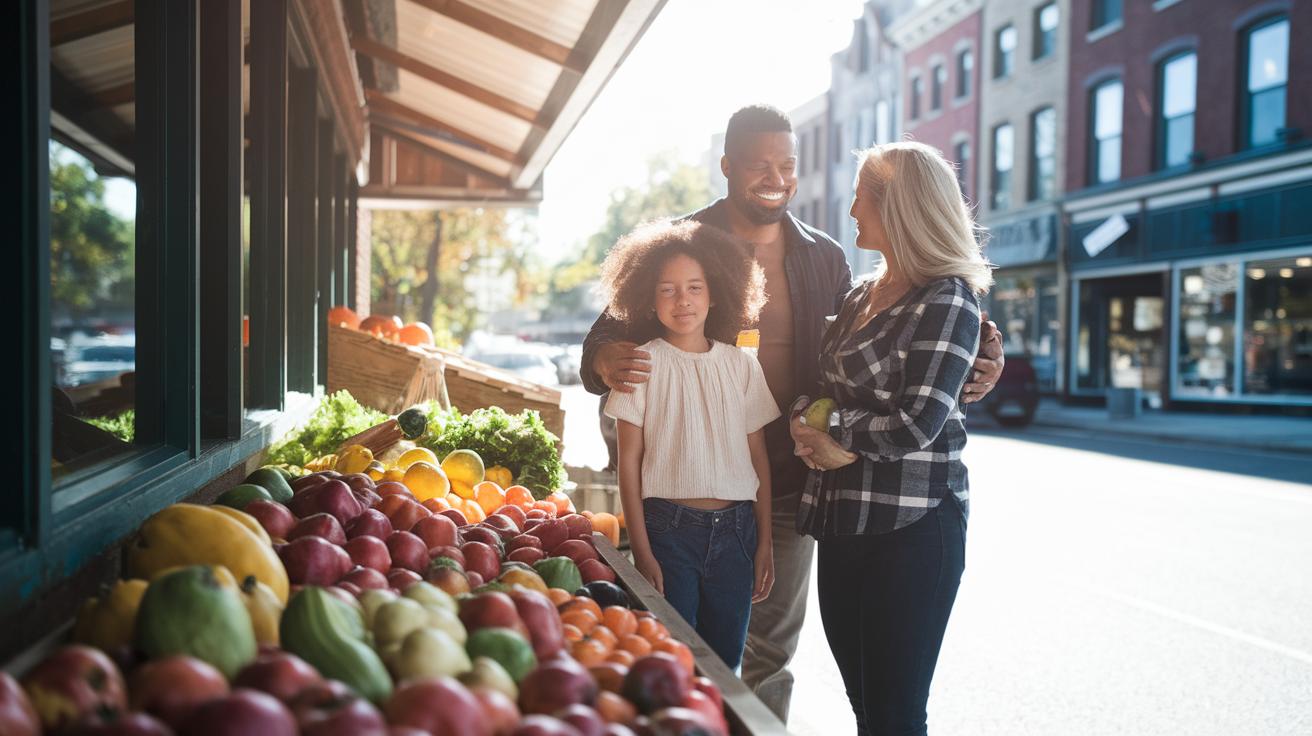
Federal programs are working to bring healthy food to areas that lack grocery stores. One program, the Healthy Food Financing Initiative, started in 2010. It gives funds to small retailers, farmers markets, and corner stores in neighborhoods where there are few food options. This helps bring fresh fruits, vegetables, and whole foods closer to people who might otherwise have to travel far for a nutritious meal.
SNAP is another important aid program. It provides about $29 each week to help families buy food, easing the financial strain and encouraging healthier choices. At the same time, the USDA’s Choose My Plate program offers simple advice to help people cut down on sodium, saturated fats, and added sugars in their diets.
Local groups also jump in to help. Nonprofits, government agencies, and social workers team up to share tips about good nutrition and smart budgeting. They hold workshops in schools and community centers and run programs to spread the word about food assistance, healthy eating, and nearby food venues.
Community projects play a key role too. Many partnerships promote food sustainability by starting community gardens, mobile markets, and pop-up grocery events. These efforts not only boost the supply of healthy food but also encourage local residents to participate in solving food access challenges.
Strategies for Enhancing Food Security in Food Deserts
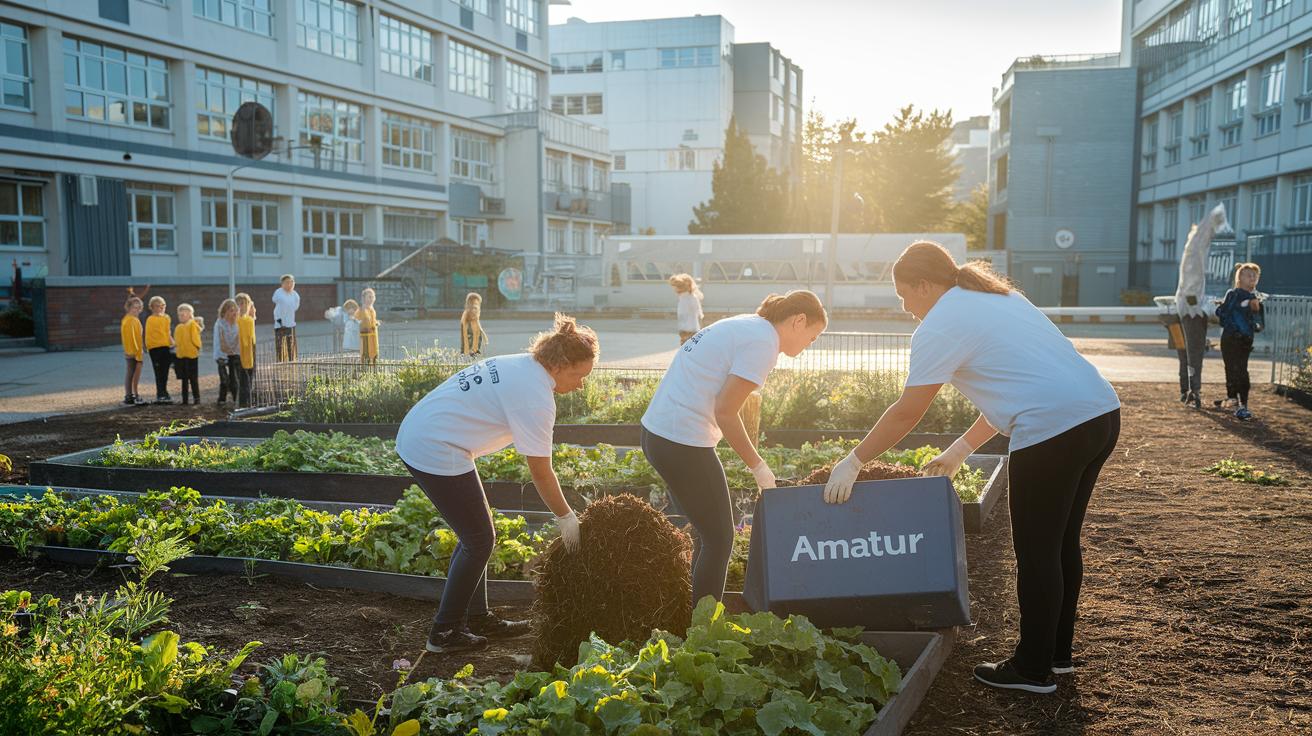
Recent projects show that community efforts can change lives in food deserts. One urban garden, for example, now works with a local school to transform food waste into rich compost. A local resident said, "Before we teamed up with the school, our garden only fed a few dozen households. Now, we are nearly doubling our output."
Mobile markets are also getting a boost thanks to digital payment systems. In one small-town trial, a market that embraced these payments saw its sales jump by 15% in just three months. An operator explained, "This switch helps residents shop quickly and safely even if they don’t have cash."
Food banks are stepping up by adding health education to their delivery services. Some deliveries now include one-on-one nutritional advice and simple recipe ideas. One volunteer noted, "Handing out recipes and shopping tips with every kit really makes a difference."
Workshops on nutrition and budgeting have become more interactive. Leaders now kick off sessions with visits to nearby community gardens for live demos. One workshop leader shared, "Seeing seasonal produce in action gives people practical ideas they can use right away."
Larger retailers are testing pop-up outlets in underserved areas before expanding. A major grocery chain held a pop-up event and used community feedback to fine-tune its inventory before planning a permanent store.
| Intervention Strategy | New Insight/Case Study |
|---|---|
| Community Gardens | Collaborations with local schools for composting have nearly doubled produce output. |
| Mobile Markets | Digital payment systems boosted sales by 15% in a small-town trial. |
| Food Bank Partnerships | Deliveries now include nutritional guidance, enhancing community health outreach. |
| Nutrition Workshops | Live demos at community gardens provide practical tips and promote healthy eating. |
| Retailer Pop-up Outlets | Pop-up events allow retailers to test market demand before full-scale expansion. |
Final Words
In the action, we unraveled the definition and challenges of food deserts. We broke down community dietary issues, transportation gaps, and income-related obstacles. We also mapped how fresh food access varies across regions and highlighted key policy responses and community interventions.
Actionable strategies like community gardens, mobile markets, and strengthened partnerships signal hope. Smart efforts to enhance food security in food deserts mean better days ahead for affected communities.
FAQ
Where can I find a map or list of food deserts in America and worldwide?
The query about food deserts locations points out that these areas have limited access to fresh groceries. Maps and lists, often from USDA studies, detail regions such as California, Texas, and other global sites.
What causes food deserts and what does the term mean?
The inquiry on food deserts explains that the term refers to areas lacking affordable, healthy food. Causes include supermarket disinvestment, transport challenges, and income gaps affecting many communities in the US.
Which area is considered the biggest food desert in the US?
The research indicates that New York stands out, with estimates showing about 750,000 residents in food deserts, reflecting a significant gap in access to grocery stores in that region.