Safety
What Is Food Safety: Simple, Clear Essentials
By reidmanson
November 12, 2025
Field Notes
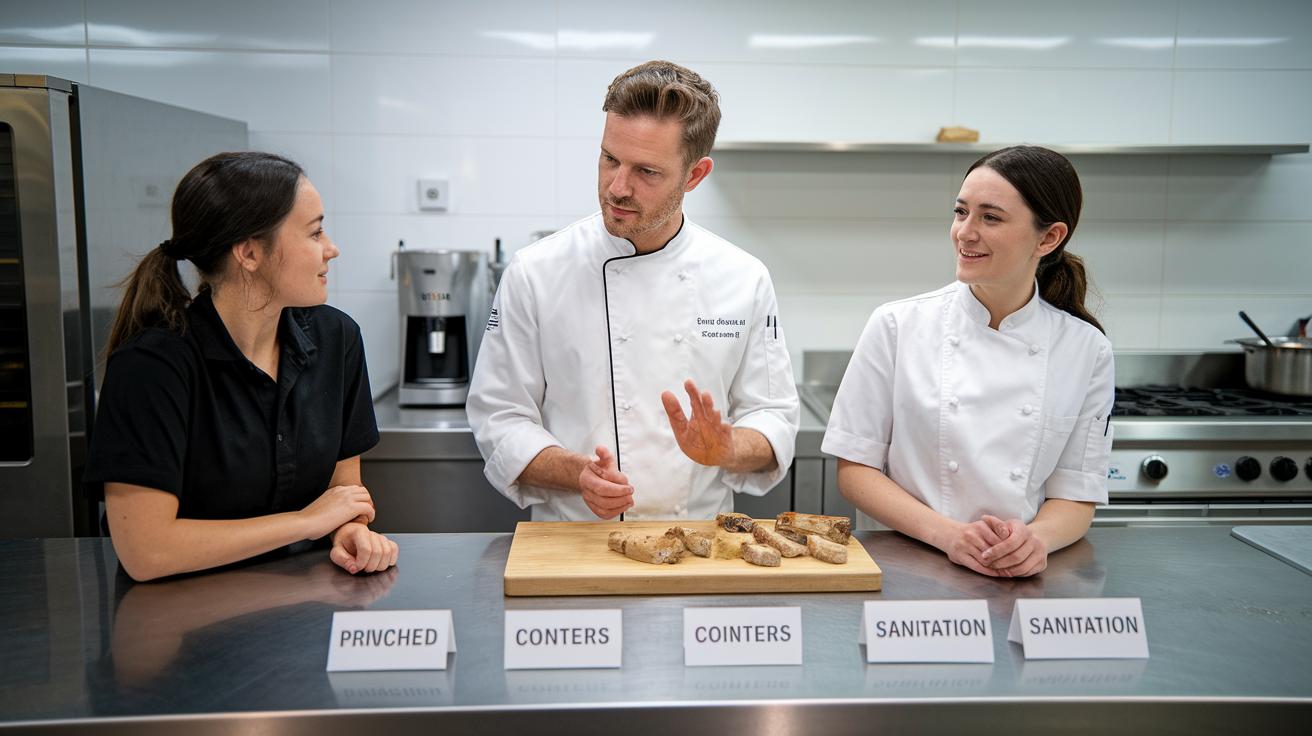
Ever wonder what keeps your food safe? Imagine a strong shield that guards every bite against germs, chemicals, and hidden risks. Food safety means careful checks from the farm all the way to your table. Every step, from choosing fresh ingredients to storing your meal, is handled with care. This article explains how these everyday practices stop sickness before it starts and help protect our health every time we eat.
what is food safety: Simple, Clear Essentials
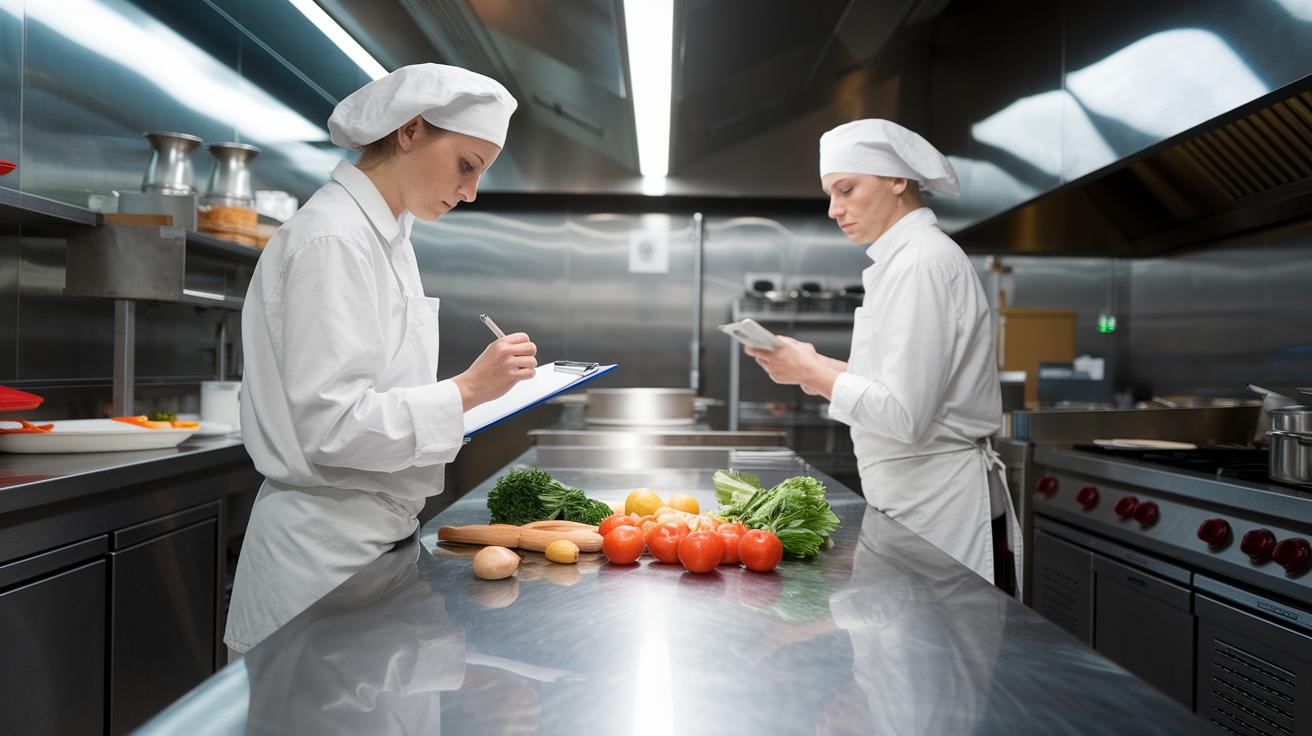
Food safety means keeping our food safe from germs, chemicals, and other hazards by checking every step of how it is made, handled, and stored. It starts with picking quality ingredients and ends when the dish is served, ensuring each bite is safe to eat.
The goal of food safety programs is to stop sickness before it begins. They help prevent over 200 common foodborne illnesses by enforcing clean and careful handling at every stage. Routine checks and strict sanitation measures mean that you get food that is not only tasty but also safe.
Worldwide, unsafe food has serious consequences. It causes nearly 420,000 deaths each year, and more than 25% of these are children. In addition, one in ten people suffers from foodborne diseases annually. This shows why simple, clear food safety practices are crucial, they protect our health and help ease pressures on health services and local economies.
Key Principles of Food Safety

Food safety rules are essential. They keep food safe from hazards and guide us on how to handle, store, and produce food properly to avoid cross-contamination.
- Hazard analysis
- Critical control points
- Good Manufacturing Practices
- Personal hygiene
- Sanitation protocols
The European Union has set a strong example with its seven basic food safety rules. This model helps food makers and regulators spot risks early and put strict control measures in place. It covers every step from picking raw ingredients to final packaging. By following these rules, companies check how they store ingredients, manage production, and maintain cleanliness. This approach cuts contamination risks in busy kitchens and helps avoid recalls and disruptions. Using the EU framework gives all food businesses a clear structure to serve food that is safe from biological, chemical, and physical dangers.
Managing Food Safety Hazards
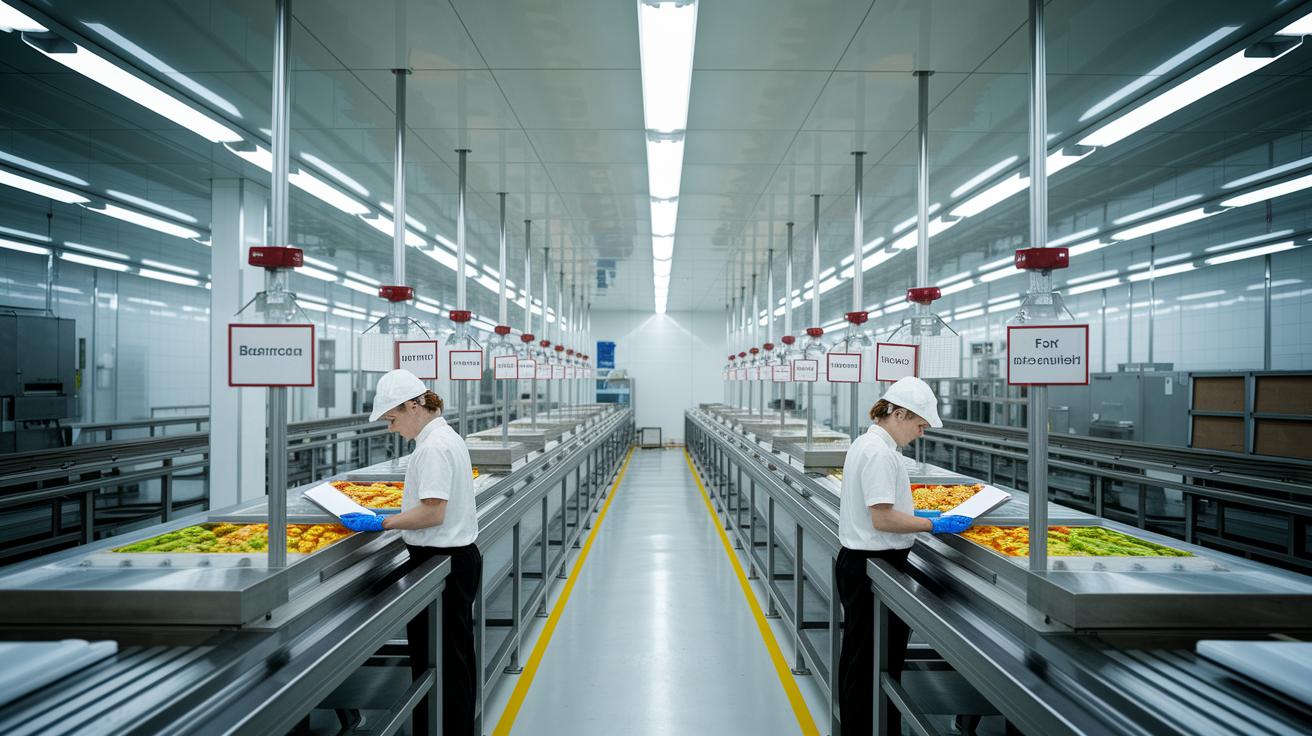
Food safety hazards fall into three main groups: biological, chemical, and physical. Each type needs a careful, step-by-step check to keep food free from contamination. For example, a production line might be exposed to chemical residues, and these must be spotted and lowered before the food reaches you.
Hazard Analysis and Critical Control Points
This method helps us find the exact steps where food could get contaminated. It lays out a clear plan to spot hazards and sets up key control points, specific moments in the process that require close watching. Think of it as checking important steps in a recipe to ensure nothing goes wrong. For example, quickly handling ingredients that need strict temperature control can cut down on bacterial growth.
Good Manufacturing Practices
Good Manufacturing Practices, or GMP, cover more than just checking processes. They include all the steps needed to keep production areas clean and orderly. This means following strict cleaning routines, keeping equipment in good shape, and training staff well. In practice, a facility will stick to set cleaning schedules to prevent mix-ups and cross-contamination.
Auditing these practices is crucial. The IFS Food 6.1 standard reviews both the production process and the related administrative steps. This two-pronged check makes sure that every safety measure is working, which lowers the risk of contamination and helps build trust with consumers.
Temperature Control in Food Safety
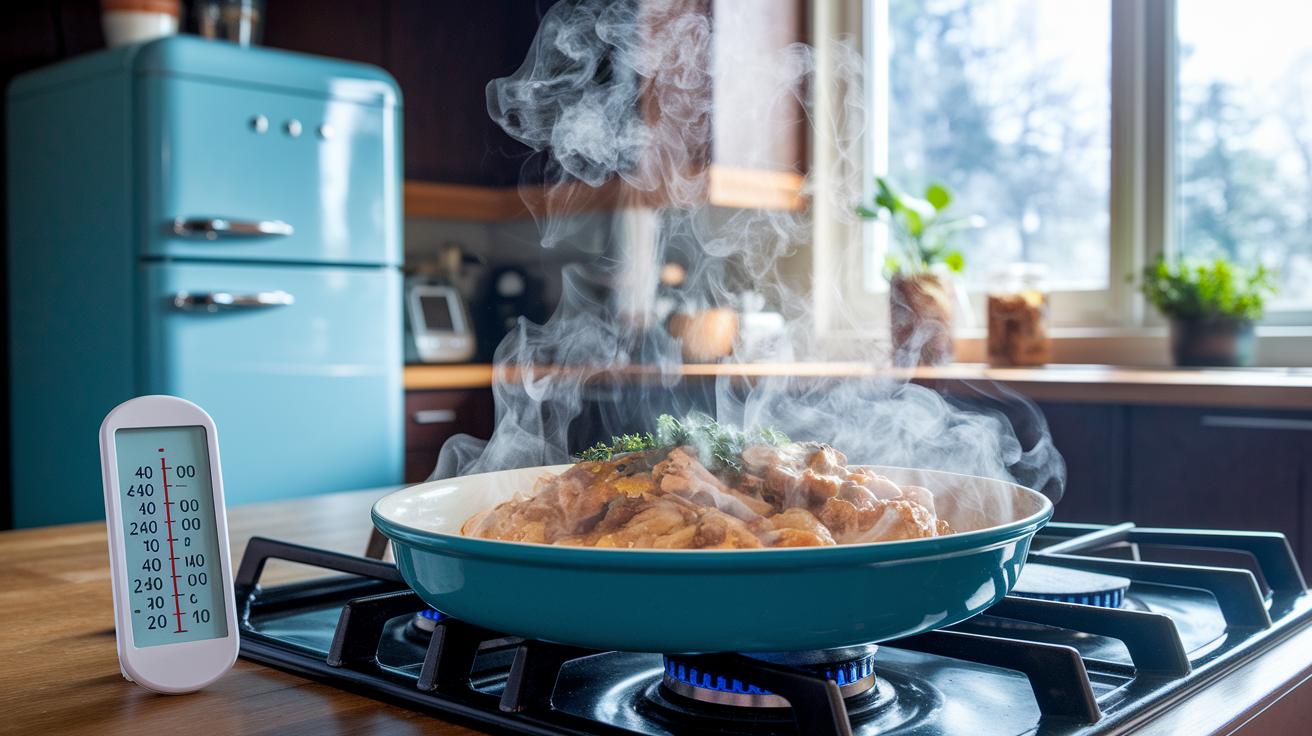
Temperature is key to keeping food safe. Keeping food at the right temperature stops harmful bacteria from growing. When food stays between 40°F and 140°F, germs can multiply quickly. That’s why checking temperatures regularly is so important during cooking and storage. Keeping food out of this "danger zone" helps prevent foodborne illness.
- Cooking to target temperatures
- Keeping hot food above safe levels
- Cooling food quickly to stop germ growth
Temperature control isn’t just about following rules. It protects our health and builds trust in food safety practices. When food is kept at proper temperatures, both home cooks and industry pros can serve meals that are safe and free from dangerous germs.
Food Safety Regulatory Frameworks
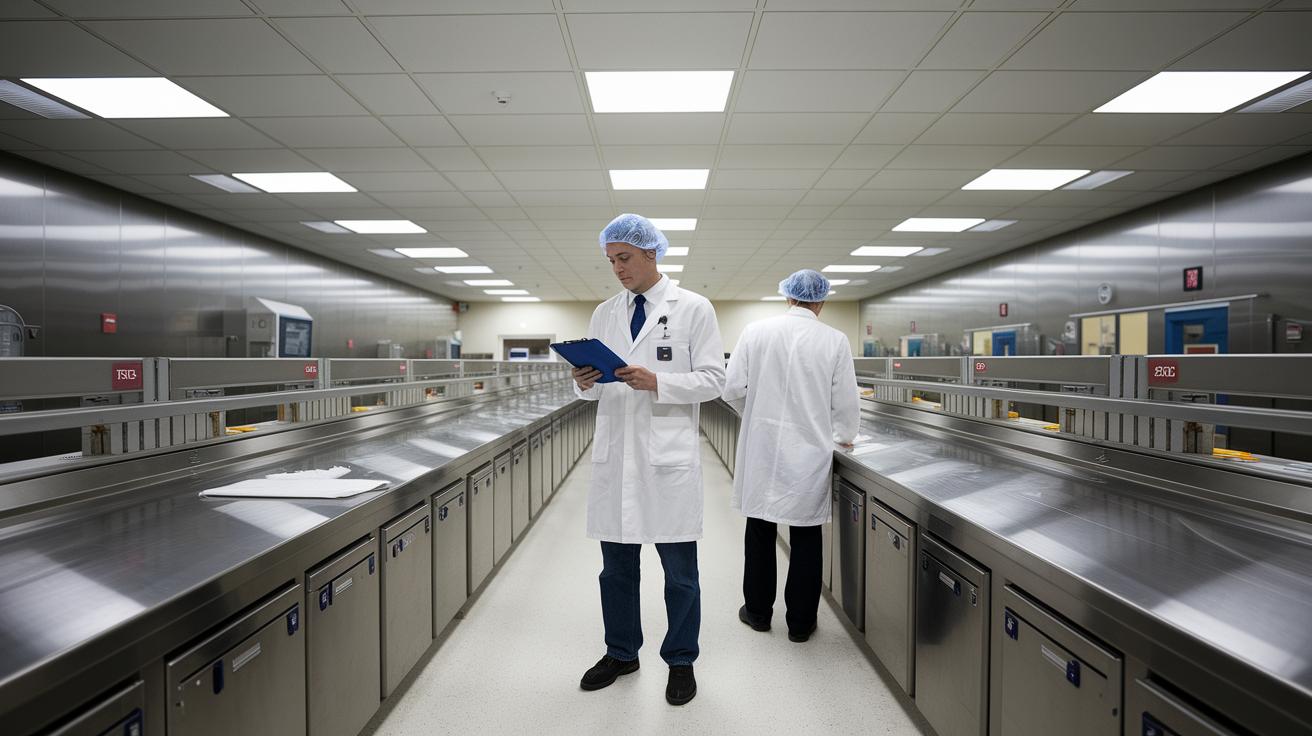
Regulatory frameworks keep our food safe. The FDA sets and enforces rules for how food is made, stored, and served. These rules lower the risk of contamination and help manufacturers stick to good practices. This builds trust with consumers and protects our health.
Worldwide, standards like IFS Food 6.1 guide companies on safety. These audits check both the way food is produced and how it is managed on paper, catching hazards early. This helps companies maintain safety measures and meet the law across borders, which is vital in today’s global food market.
School & Workplace Standards
Rules for schools and workplaces ensure that food served in these places follows strict safety guidelines. School meal rules are designed to keep kids safe through proper cleaning and handling. In workplaces, similar steps make sure meals are safe to eat. These guidelines help food service providers follow health laws and keep everyone protected.
A look at Australia shows why strong food safety rules matter. The latest OzFoodNet report found there are 5.4 million cases of foodborne illness every year, costing about AUD 1.2 billion. This highlights the need for strict food safety practices to protect both public health and our economy.
Best Practices for Food Safety at Home

Home cooks are key to keeping meals safe. How you handle, prepare, and store food should follow the careful steps seen in professional kitchens. These habits can lower the risk of more than 200 common foodborne illnesses. By following these tips, you not only make tasty meals, you also protect your family from harmful germs.
- Handwashing
- Keep raw and cooked foods apart
- Cook food at the right temperatures
- Cool food quickly
- Clean and sanitize surfaces
- Label and date leftovers
Washing your hands and cleaning surfaces stops germs from spreading. Keeping raw and cooked foods in separate areas helps prevent cross-contamination. Cooking food properly kills any dangerous bacteria, while cooling food fast keeps germs at bay. Sanitizing your kitchen gives extra protection, and labeling leftovers helps you know when to use them. These simple steps make it easier to serve safe meals at home.
Food Safety Practices in Food Service and Institutions

When food safety rules are not followed, businesses can face heavy losses. Without simple safety steps, food service operations might have product recalls, shutdowns, and damage to their reputation. Unsafe food also takes a toll on public health, with about 420,000 deaths each year. With global supply chains getting more complex, it is more important than ever for food service providers to stick to safety rules.
Key safety practices include:
- Supplier audits
- Clean-in-place methods
- Temperature logging
- Controls for cross-contamination
- Regular staff training
Local policy councils help set and enforce these safety rules. Take the LA Food Policy Council as an example; it gives clear rules and support to help restaurants and institutions follow food protection regulations. These groups use risk-based checks to set up a system of regular audits, proper cleaning methods, and full staff training. By following these steps, food service providers can protect public health, reduce the chance of expensive recalls, and keep their operations running smoothly. This steady oversight builds trust with consumers, making sure that the food served is safe and handled well.
Advanced Strategies and Technologies in Food Safety
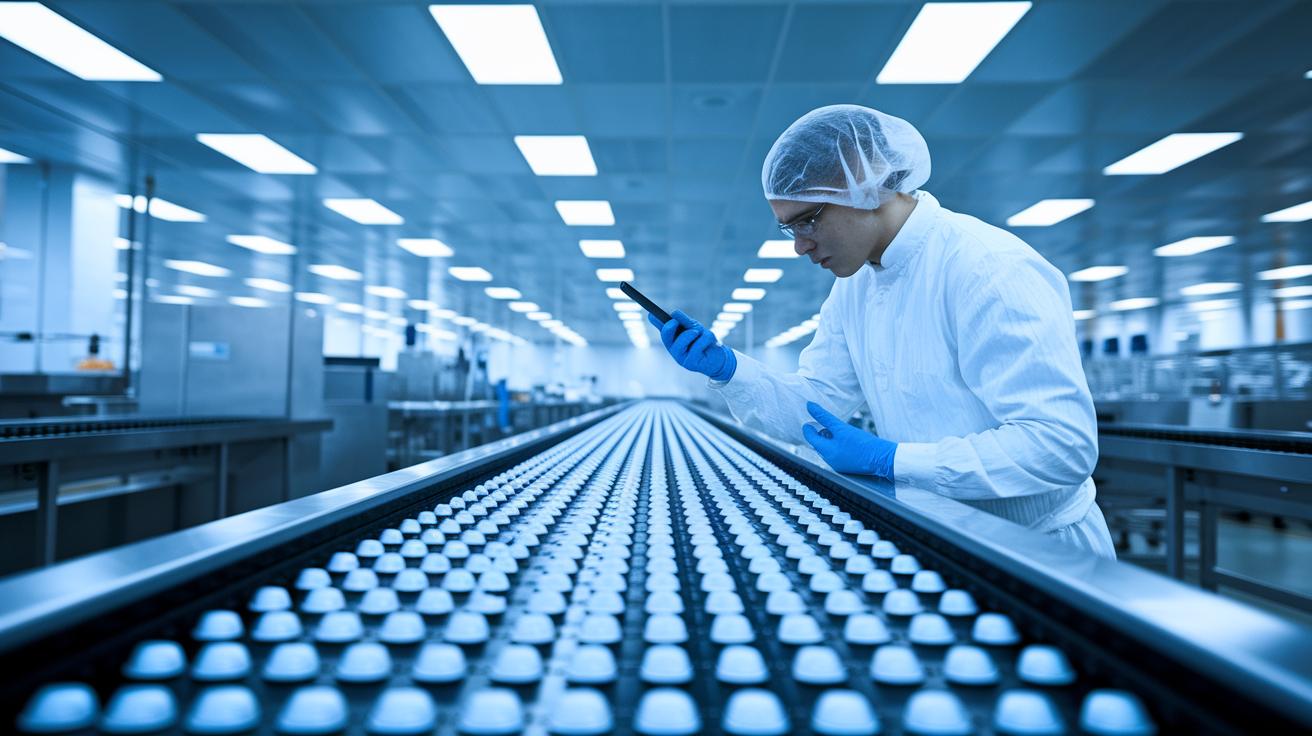
New tech tools are changing how food makers keep our food safe. Manufacturers now use smart systems like high-tech scanners to spot foreign objects, sensor networks to monitor conditions, and machines that automatically sort materials. These tools work fast and accurately, catching hazards before the food gets to your plate. Digital monitoring in kitchens lets managers see problems right away and fix them on the spot. This mix of modern tech and old-school care boosts safety and builds trust with consumers.
| Technology | Function | Benefit |
|---|---|---|
| AI scanner | Finds foreign objects in food | Keeps products safe |
| Infrared sanitizer | Checks surfaces for germs | Makes cleaning better |
| Digital temperature loggers | Keeps an eye on temperature | Saves perishables from spoilage |
These smart systems work well with HACCP (a food safety system that checks every step of production). By using digital checks and top cleaning tools, factories can quickly find issues, tighten their processes, and keep food safe from start to finish. This blend of new tech and trusted methods makes food production more reliable and helps everyone feel secure about what they eat.
Final Words
In the action of managing food safety, this article broke down everything from core definitions to regulatory frameworks and modern tech innovations. It reviewed key principles and practical steps, from hazard analysis to proper temperature control, that protect both home kitchens and food service operations.
The piece highlights what is food safety and why smart systems, clear guidelines, and daily diligence matter. By applying these insights, restaurants can boost safety, meet regulations, and drive better outcomes every day.
FAQ
What is food safety and how is it defined?
The definition of food safety means the proper handling, preparation, and storage of food to lower the risk of illness. It also covers hygiene practices that help prevent contamination.
Why is food safety important?
Food safety is important because it protects people from foodborne illnesses, reduces the number of health incidents, and saves lives through better food handling practices.
What is food safety in the workplace and food industry?
Food safety in workplaces and the food industry refers to following strict handling, storage, and preparation protocols to protect both workers and consumers from potential hazards.
What are food safety hazards and can you give examples?
Food safety hazards include any biological, chemical, or physical agents that can contaminate food. For example, bacteria, pesticides, or metal fragments can all pose risks if not controlled.
What are five basic food safety rules and what types of hazards exist?
Five basic food safety rules include washing hands, separating raw and cooked foods, cooking at safe temperatures, cooling food fast, and sanitizing surfaces. Recognized hazards are biological, chemical, physical, and allergenic risks.
What does a food safety PDF refer to?
A food safety PDF is a document that outlines guidelines, best practices, or regulatory information on safe food handling processes, making it easy for readers to access official safety standards.
What are ten important benefits of practicing food safety?
Ten benefits of food safety include reducing illness, keeping consumers healthy, limiting food recalls, protecting business reputations, minimizing waste, promoting clean practices, enhancing quality, preventing outbreaks, building trust, and saving lives.